Do you want to discover the solution for high blood pressure?
This concise guide offers a friendly, evidence-informed introduction to a tea recipe for high blood pressure designed to complement a heart-healthy routine. Readers in the United States are increasingly curious about gentle, accessible options like hibiscus tea for BP and a hawthorn tea recipe that can be made with loose herbs or standard tea blends.
Anúncios
You will find clear explanations of why a soothing tea for hypertension may help, a practical recipe, brewing steps, calming additions, customization tips, and safety notes about interactions with medications. The focus is on a balanced, heart-healthy tea that supports lifestyle measures — not a replacement for prescribed treatment.
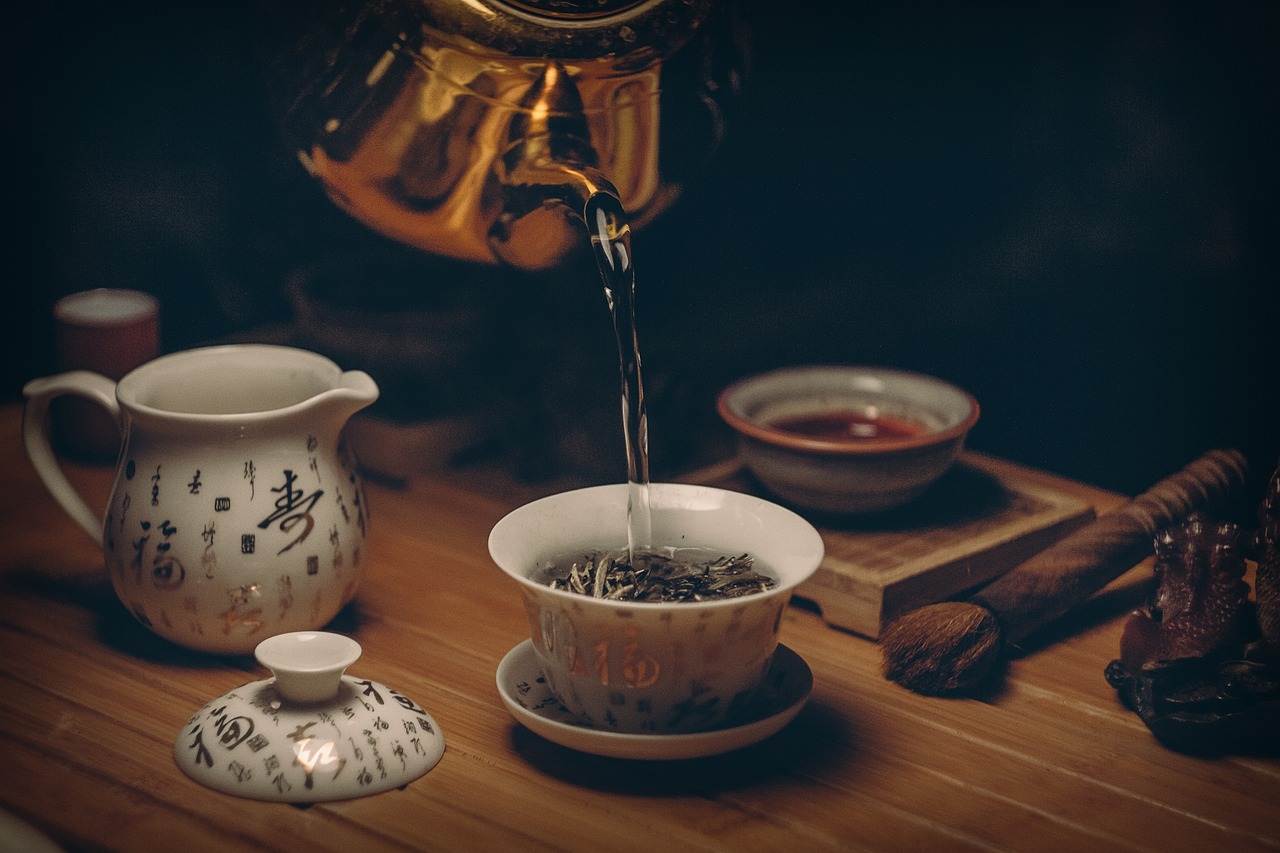
Hibiscus Tea
Meta description: “Discover a calming tea recipe for high blood pressure that may help manage your levels naturally. Enjoy flavorful, heart-healthy sips today!”
Anúncios
The article goal is simple: provide a reliable, practical tea recipe plus evidence-based guidance so you can discuss it with your clinician and use it safely alongside proven blood pressure treatments.
Key Takeaways
- This tea recipe for high blood pressure aims to support, not replace, medical care.
- Ingredients like hibiscus and hawthorn are highlighted for heart-healthy benefits.
- Practical steps cover portions, brewing, and storage for consistent results.
- Safety and interactions with blood pressure medications are discussed.
- Customization options help tailor flavor and potency to personal needs.
Why a Soothing Tea Can Help Manage Blood Pressure
Many people find that a simple cup of tea fits easily into daily life. Scientific research points to real, measurable effects from certain herbs and routine practices. Understanding the science helps set appropriate expectations for herbal tea cardiovascular benefits and related lifestyle changes.
Scientific basis for herbal teas in cardiovascular health
Hibiscus (Hibiscus sabdariffa) and hawthorn (Crataegus spp.) contain anthocyanins, polyphenols, and flavonoids linked to vasodilation and antioxidant effects. Clinical trials, especially randomized controlled studies on hibiscus, report modest reductions in systolic and diastolic pressures. Green tea delivers catechins that support endothelial function, though caffeine content can alter results for some people.
Mechanisms under study include improved nitric oxide signaling, mild ACE-inhibitory activity in some extracts, and lower oxidative stress and inflammation. Observational studies and meta-analyses back a modest benefit for specific preparations rather than sweeping claims for all blends.
How hydration and calming rituals affect blood pressure
Proper fluid balance supports steady blood volume. Mild dehydration raises vascular resistance and heart rate, so regular sipping helps maintain normal circulation. That link explains part of why hydration and blood pressure appear connected when people drink herbal infusions.
Rituals such as mindful tea preparation, slow sipping, and deep breathing lower sympathetic nervous system activity. These calming practices reduce transient spikes in blood pressure. Combining soothing herbs with a tranquil routine offers complementary benefits for calming rituals and hypertension.
Limitations and what tea alone cannot replace
Tea should be seen as complementary, not a substitute for prescription antihypertensives, the DASH diet, exercise, or smoking cessation. Some people will not experience meaningful changes from tea. Responses vary by individual, dose, and herb quality.
Safety concerns include interactions with blood pressure medicines and other drugs. Regular monitoring and consultation with a clinician are essential before making herbal tea a daily habit. Awareness of limitations of herbal remedies helps maintain realistic expectations and promotes safe, evidence-based care.
Tea Recipe for High Blood Pressure
This hibiscus hawthorn tea recipe blends tart hibiscus with heart-supporting hawthorn and calming botanicals. Use the full ingredient list and clear brew instructions below to make about four cups. Adjust herbal tea portions if you are caffeine-sensitive or on medication; consult your clinician when in doubt.
Full ingredient list with suggested portions
Yields ~4 cups (1 liter).
- 2 tablespoons dried hibiscus petals (Hibiscus sabdariffa)
- 1 tablespoon dried hawthorn berries or leaf/flower blend (Crataegus spp.)
- 1 teaspoon high-quality green tea or 1 decaffeinated green tea bag
- 1 teaspoon dried chamomile flowers
- 1/2 teaspoon lavender buds (optional)
- 1–2 thin low-sodium lemon slices or strip of peel
- Small amount of honey, stevia, or 1 teaspoon maple syrup (optional)
- 4 cups filtered water (1 liter)
Step-by-step brewing instructions for best potency
- Bring filtered water to a near-boil (~200°F / 93°C). If you use regular green tea, let water cool to about 175–185°F (80–85°C) to avoid bitterness.
- Place hibiscus and hawthorn in an infuser or teapot. Pour water over the herbs and steep 10–12 minutes for strong extraction; shorten to 4–6 minutes for a gentler cup.
- If using green tea leaves, add them during the last 2–3 minutes of steeping. Use decaffeinated green tea from the start if limiting caffeine.
- Add chamomile and lavender during the main steep or steep them briefly for 3–5 minutes for a milder aroma.
- Strain into a heatproof pitcher. Stir in lemon slices and sweeten lightly if desired.
- For iced hibiscus hawthorn tea recipe, cool to room temperature, refrigerate, and serve over ice within 48 hours.
Serving suggestions and storage tips
Serve warm in a quiet setting and try 3–5 minutes of mindful breathing while sipping. Start with 1 cup (8 oz) once or twice daily and monitor blood pressure. Typical routine intake ranges from 2–3 cups per day unless directed otherwise by your healthcare provider.
Store dried herbs in airtight glass jars away from light and heat to preserve flavor and potency. Label homemade blends with date and ingredients when gifting. Brewed tea keeps in the refrigerator up to 48 hours; discard after that.
| Item | Portion (yields ~4 cups) | Purpose |
|---|---|---|
| Hibiscus petals | 2 tablespoons | Primary blood-pressure support, tart flavor |
| Hawthorn | 1 tablespoon | Supports cardiac function and vasodilation |
| Green tea (or decaf) | 1 teaspoon or 1 decaf bag | Catechins; choose decaf if sensitive to caffeine |
| Chamomile | 1 teaspoon | Promotes relaxation and improved sleep |
| Lavender (optional) | 1/2 teaspoon | Light aromatic calming note |
| Lemon | 1–2 thin slices | Flavor and vitamin C |
| Sweetener (optional) | Small amount | Natural sweetness; avoid refined sugar |
| Water | 4 cups (1 liter) | Base for infusion |
Heart-Healthy Ingredients to Include
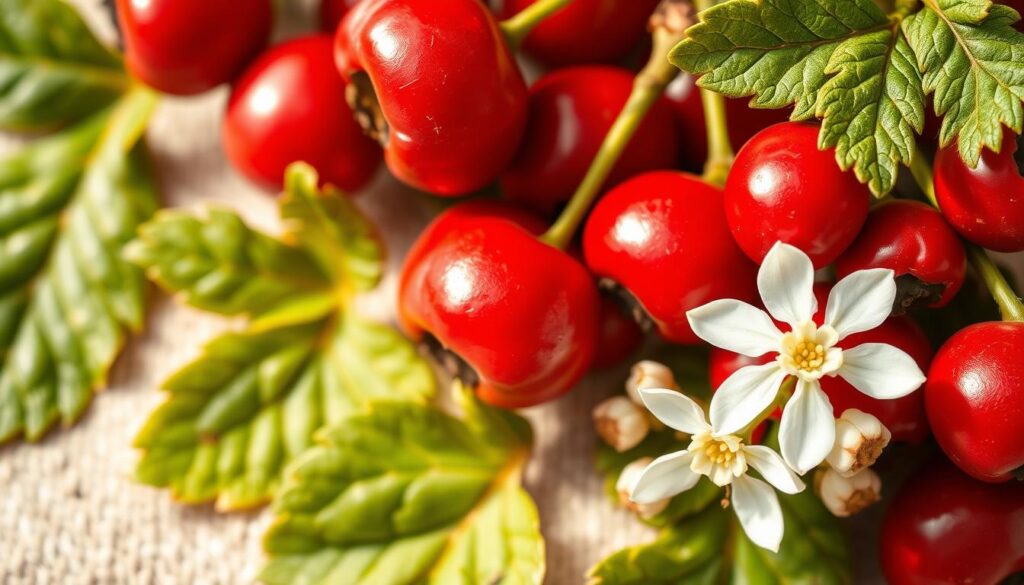
Choosing the right herbs can add flavor and gentle support to a blood pressure–friendly tea. Below are three ingredients with the strongest evidence or long traditions for cardiovascular use. Use them thoughtfully and talk with a pharmacist or clinician if you take heart medications.
Hawthorn: benefits and safe use
Hawthorn (Crataegus spp.) has a long history in European herbal medicine for heart conditions. Modern studies link hawthorn benefits to improved coronary blood flow and mild vasodilation. Active compounds like flavonoids and oligomeric procyanidins may help endothelial function and reduce shortness of breath in mild heart failure.
Typical tea blends use mild hawthorn doses. Concentrated extracts are stronger and can interact with cardiac drugs, including digoxin and some beta-blockers. Well-known standardized extracts used in clinical studies are available from reputable brands. Consult a pharmacist before adding hawthorn to a regimen that includes prescription heart medicines.
Hibiscus: evidence for blood pressure reduction
Hibiscus sabdariffa has reliable clinical backing for blood pressure support. Randomized trials and meta-analyses show that regular hibiscus tea can lower systolic blood pressure by a few mmHg in adults with prehypertension or mild hypertension when consumed consistently over weeks.
Mechanisms behind this effect include ACE inhibition-like activity, vasodilation, and mild diuretic effects. Hibiscus is generally well tolerated. Pregnant or breastfeeding people should avoid it without medical advice. If you take antihypertensive drugs, monitor blood pressure closely for interactions with hibiscus.
Green tea and its gentle caffeine considerations
Green tea supplies catechins such as EGCG that support vascular health and reduce inflammation. Research on green tea and blood pressure shows modest benefits, with stronger value for overall cardiovascular wellness than dramatic BP drops.
Caffeine can raise blood pressure transiently in sensitive people. To manage green tea caffeine, choose decaffeinated options, pick lighter-steep methods, or select brands known for quality loose-leaf teas such as Harney & Sons or The Republic of Tea. Adjust steep time to balance flavor and stimulant effects.
| Ingredient | Main Actions | Typical Use in Tea | Safety Notes |
|---|---|---|---|
| Hawthorn | Vasodilation, improved coronary flow, endothelial support | 1–2 teaspoons dried berries or leaf per cup; gentle in blends | Avoid concentrated extracts with digoxin or certain beta-blockers; consult pharmacist |
| Hibiscus | ACE-like effects, vasodilation, mild diuretic | 1 heaping teaspoon calyces per cup; 1–3 cups/day for effect | Not recommended in pregnancy without advice; can interact with antihypertensives |
| Green tea | Antioxidant catechins, vascular support, modest BP benefit | 1 teaspoon loose leaf; shorten steep for lower caffeine | Monitor green tea caffeine if you are sensitive; consider decaf |
Calming Additions That Support Relaxation
Small additions change a cup from routine to restorative. Choose calming tea additives that enhance flavor and soothe the nervous system. Keep portions modest and observe how each plant affects sleep, mood, and blood pressure.
Lavender and chamomile: relaxation and flavor
Chamomile and lavender pair well in evening blends. The chamomile lavender benefits include mild sedation and a soothing aroma that can ease anxiety before bed. Use dried chamomile flowers and a pinch of culinary lavender so the scent does not dominate.
Both herbs are usually well tolerated. People allergic to ragweed or other Asteraceae plants should test a small cup first. For a single serving, try one teaspoon of chamomile and no more than a quarter teaspoon of lavender.
Low-sodium lemon and natural sweeteners
Bright citrus lifts herbal teas without adding salt. Fresh lemon juice or peel adds vitamin C while keeping sodium near zero. Avoid jarred lemonade mixes that can contain sodium additives.
Choose natural sweeteners low sodium and low glycemic load when needed. Honey, pure maple syrup, or stevia each suit different goals. Limit added sweetener to about one teaspoon per cup when watching weight or blood sugar.
Adaptogens and their role in stress-related hypertension
Gentle adaptogens can reduce stress responses that raise blood pressure. Herbs like holy basil (tulsi) or small amounts of rhodiola may help the body manage stress. Evidence for direct blood pressure lowering is limited, but adaptogens for stress can support a calmer baseline.
Use adaptogens sparingly and avoid mixing multiple strong varieties. Consult a physician before using ashwagandha or rhodiola if you take medications, have thyroid or autoimmune concerns, or are pregnant.
| Ingredient | Suggested Amount per Cup | Primary Effect | Notes |
|---|---|---|---|
| Chamomile (Matricaria chamomilla) | 1 tsp dried flowers | Mild sedation, relaxes nerves | Test for Asteraceae allergy; suitable for evening use |
| Lavender (Lavandula angustifolia) | ¼ tsp dried buds | Calming aroma, mild anxiolytic | Use sparingly to avoid bitter taste |
| Fresh lemon peel or juice | ½ tsp peel or 1 tsp juice | Flavor, vitamin C, zero sodium | Avoid bottled mixes with added sodium |
| Honey / Pure maple syrup | Up to 1 tsp | Natural sweetness, calories | Limit if watching weight or blood glucose |
| Stevia (leaf or extract) | To taste, small amount | No calories, intense sweetness | May leave aftertaste for some |
| Holy basil (Tulsi) | ½ tsp dried leaf | Mild adaptogen, supports stress resilience | Considered gentle; consult provider if on meds |
How to Customize the Tea for Taste and Needs
Personalizing a soothing tea helps you enjoy it and meet health goals. You can customize herbal tea to suit sensitivity, potency, and flavor. Below are practical steps and small recipes to guide adjustments safely.
Start low if you take blood pressure medication or are new to hawthorn and hibiscus. Try 1 tablespoon hibiscus and 1/2 tablespoon hawthorn per 4 cups, drinking one cup daily. Measure blood pressure before changes and after one week. If needed, increase slowly over 7–14 days until you find the effect you want.
For a stronger brew, raise hibiscus to 2–3 tablespoons per 4 cups. Speak with your clinician before exceeding typical amounts. Titrate gently to avoid sudden changes in taste or response.
Flavor pairings to improve palatability
Use citrus peels, fresh lemon, or a slice of orange to brighten tart hibiscus. Ginger adds warmth and a digestive lift. A small drizzle of honey or a sprinkle of cinnamon softens tart notes without overpowering benefits.
Hawthorn pairs well with dried apple pieces or cinnamon for an apple-like profile. Blend chamomile or lavender to mellow tartness. Try iced versions for summer; many people find chilled blends easier to drink during the day.
Decaffeinated or caffeine-light variations
Replace green tea with rooibos for a full, caffeine-free mouthfeel. Use decaffeinated green tea if you want that familiar character with less caffeine. Shorten steep time for green tea to reduce caffeine extraction.
A simple decaffeinated herbal blend: 1 tablespoon hibiscus, 1/2 tablespoon hawthorn, 1 teaspoon rooibos, plus a lemon slice. This makes decaffeinated herbal blends that keep texture and flavor without the stimulant effects.
Practical checklist: keep a brewing log, note amounts and steep times, and record blood pressure readings. Small, steady changes help you refine flavor pairings hibiscus and balance potency while staying safe.
Safety Considerations and Possible Interactions

Before adding a heart-supporting tea to your routine, take a moment to review safety and interaction points. Herbs can help, yet they may change how prescribed drugs work or trigger allergic reactions. Discuss plans with a cardiologist, primary care doctor, or pharmacist so everyone has the same information.
Interactions with blood pressure medications
Hibiscus can enhance the effect of antihypertensive drugs and cause blood pressure to drop more than intended. People on ACE inhibitors, angiotensin receptor blockers, beta-blockers, or diuretics should get clinician approval before regular use. Hawthorn may interact with digoxin, beta-blockers, and calcium-channel blockers; monitoring is advised when these herbs are combined with prescription heart medicines.
Green tea contains modest vitamin K and caffeine. High green tea intake has rare interactions with warfarin and may affect absorption of some drugs. Keep a clear list of prescriptions and supplements for each clinic visit to help prevent unexpected tea interactions blood pressure meds.
Allergy risks and ingredient precautions
Certain flowers such as chamomile belong to the Asteraceae family and can trigger allergic reactions in people sensitive to ragweed, marigolds, or daisies. Lavender allergy is uncommon yet possible; stop use if rash, itching, or breathing trouble appears. Pregnant or breastfeeding people should avoid hibiscus and specific adaptogens unless their provider says it is safe.
Record any adverse symptoms and share them with your clinician. Keep herbal allergy risks on the checklist when trying new blends, especially if you have known plant or seasonal allergies.
Recommended intake limits and when to stop
Clinical studies most often use 1–3 cups per day of hibiscus-based tea. Many experts advise not exceeding that range without medical oversight. Use safe herbal intake limits as a guide, not a hard rule, and tailor amounts to medication status and individual response.
Stop the tea and seek medical evaluation if you feel dizzy, faint, have palpitations, or notice a marked drop in blood pressure readings. When a new prescription starts, reassess herbal use with the prescriber and make sure all herb use is documented in medical records to reduce the risk of hibiscus medication interactions or other surprises.
| Concern | Herbs to watch | Practical advice |
|---|---|---|
| Blood pressure medication potentiation | Hibiscus, hawthorn | Consult prescriber; monitor blood pressure; limit to 1–3 cups/day unless cleared |
| Cardiac drug interference | Hawthorn, green tea | Review with cardiologist if on digoxin, beta-blockers, calcium-channel blockers, or anticoagulants |
| Allergic reactions | Chamomile, lavender, other Asteraceae | Stop if rash, itching, or respiratory symptoms occur; avoid if allergic to ragweed or daisies |
| Pregnancy and breastfeeding | Hibiscus, some adaptogens | Do not use unless cleared by obstetrician or midwife |
| Documentation and monitoring | Any herbal blend | Keep a list of herbs in medical records and reassess when medications change |
Scientific Studies and Evidence Summary
Brief research summaries help readers weigh herbal options against proven therapies. Below are concise findings from randomized trials and reviews, followed by notes on hawthorn research and how major medical bodies frame herbal support for high blood pressure.
Notable clinical trials on hibiscus and blood pressure
Randomized controlled trials tested daily hibiscus intake, typically 1–3 cups of tea or standardized extracts, for 4–12 weeks in adults with prehypertension or mild hypertension. Many trials reported modest reductions in systolic blood pressure by several mmHg compared with placebo or control beverages.
Meta-analyses pooled these trials and found statistically significant but modest falls in both systolic and diastolic pressure. Outcomes varied by formulation, dose, and baseline blood pressure, so results are not uniform across all populations.
Research on hawthorn and cardiovascular markers
Clinical work on hawthorn often focuses on mild heart failure and symptom relief. Several randomized studies using standardized hawthorn extracts showed improvements in exercise tolerance and symptom scores in selected patients.
Evidence for direct blood pressure lowering is less consistent than for hibiscus. Some trials report improved endothelial function and better coronary perfusion, suggesting a supportive role for heart health rather than reliable antihypertensive action. Many hawthorn studies use extracts, so loose-leaf tea doses may not match trial exposures.
What current guidelines say about herbal support
Cardiology and hypertension guidelines from organizations like the American Heart Association do not endorse herbal products as primary therapy for high blood pressure. These documents emphasize lifestyle changes such as the DASH diet, sodium reduction, and regular physical activity, along with adherence to prescribed medications.
Guidelines recognize patient interest in complementary approaches and advise shared decision-making with clinicians. When patients try herbal teas or supplements, clinicians should monitor blood pressure and review potential interactions with prescription drugs.
How to Incorporate the Tea into a Heart-Healthy Routine
Making a heart-healthy routine tea part of daily life starts with simple, repeatable steps. Start small, note what works, and fit the brew around meals, exercise, and sleep habits to gain the most benefit. Below are practical timing tips, pairing ideas, and ways to track progress so you can incorporate tea into routine with confidence.
Timing for herbal tea
Morning cups can calm the body’s stress response and serve as a lower-caffeine swap for coffee. Choose decaffeinated blends when avoiding caffeine-sensitive effects.
Evening blends with chamomile or lavender support sleep hygiene and may aid nocturnal blood pressure control. Sip earlier in the evening if you are sensitive to fluid intake before bed.
Pre-meal servings may promote relaxation and gentle appetite moderation. People with fluid restrictions should check with their clinician before adding a pre-meal cup.
Pairing with diet, exercise, and stress management
Match tea with DASH-style meals: whole grains, fruits, vegetables, low-fat dairy, and lean proteins. Reducing sodium enhances the overall effect.
Use a warm cup as a post-workout cool-down or part of a pre-meditation ritual to reinforce stress reduction. Consistent routines boost adherence to healthy habits.
Combine tea with regular aerobic exercise, weight control, limited alcohol, and quitting smoking for the best cardiovascular benefit.
Tracking results: measuring blood pressure and adjustments
Before starting, take baseline home readings: morning and evening for seven days. Reassess after two to four weeks to see trends and learn how to track blood pressure changes accurately.
Use validated monitors such as Omron and follow these steps: sit quietly for five minutes, sit with back supported, keep the cuff at heart level, and record three readings one minute apart.
If readings drop sharply or you notice dizziness or faintness, stop the brew and contact your healthcare provider. Keep a log of tea intake, medications, and measurements to help clinicians review patterns.
| Routine Element | Practical Tip | Expected Benefit |
|---|---|---|
| Morning cup | Choose decaffeinated hibiscus or green tea substitute; replace coffee once or twice weekly | Reduced morning sympathetic surge; gentler wakefulness |
| Evening cup | Use chamomile-lavender blend 1–2 hours before bed; limit total evening fluids if necessary | Improved sleep hygiene and potential nocturnal BP support |
| Pre-meal sip | Small cup 20–30 minutes before a meal; avoid large volumes for fluid-restricted patients | Relaxation and modest appetite moderation |
| Exercise pairing | Enjoy tea during cool-down or after gentle stretching | Reinforces stress-reduction and recovery routines |
| Monitoring plan | Record baseline 7-day readings, then repeat after 2–4 weeks using an Omron monitor | Clear data to track blood pressure changes and guide adjustments |
| Safety step | Log symptoms and medications; stop tea and consult clinician if hypotension occurs | Protects against adverse drops in blood pressure |
Buying and Preparing Quality Ingredients
Choosing the right sources and tools makes a big difference for tea that supports blood pressure. Pick suppliers that list botanical names, origin, and batch information. Look for organic certification when possible to lower pesticide risk and to ensure consistent flavor.
Choosing organic and reputable suppliers
Buy quality herbs from brands with clear sourcing and testing. Mountain Rose Herbs and Frontier Co-op offer organic options and lab transparency. Harney & Sons, Adagio Teas, and Republic of Tea are reliable for blends and single-origin leaves. For hawthorn or clinical-grade extracts, ask pharmacists or integrative medicine clinics for reputable products used in studies.
How to store dried herbs and maintain freshness
Proper storing dried herbs keeps aroma and potency longer. Use airtight glass jars or opaque containers to block light. Keep jars in a cool, dark pantry away from heat and moisture.
Label containers with purchase dates and lot numbers when available. Whole berries last longer than powders. Aim to use most herbs within six to twelve months for best flavor and effect.
Tools and equipment for consistent brewing
Good tea brewing equipment helps you reproduce a cup each time. A kettle with temperature control and a glass or ceramic teapot are useful. Fine mesh infusers, muslin bags, and a digital kitchen scale promote precise portions.
For home use, measuring spoons work but a scale gives better consistency—five to six grams of hibiscus equals about two tablespoons. For larger batches, a heatproof pitcher and a fine strainer speed serving and cooling.
- Tip: Store all tools clean and dry to avoid off-flavors.
- Tip: Check suppliers for clear labeling when you buy quality herbs.
Conclusion
A thoughtfully composed soothing tea for high blood pressure can be a pleasant, practical complement to lifestyle measures. A blend built around hibiscus and hawthorn, with calming herbs such as chamomile and lavender, and optional green tea or rooibos, offers natural blood pressure support while also encouraging relaxation and better hydration.
Evidence is strongest for hibiscus in producing modest reductions in blood pressure; hawthorn contributes cardiovascular support though blood pressure effects vary. Safety matters: if you take antihypertensive drugs, anticoagulants, or other prescriptions, consult your clinician before regular use. Monitor for allergies and limit intake to conservative amounts while assessing effects.
Begin with one cup per day, use a validated home monitor to track results, and fold the tea into a broader heart-healthy plan that includes the DASH-style diet, regular exercise, and stress reduction. Source quality ingredients, adjust flavors for adherence, and share your blood pressure readings and tea use with your healthcare provider so the hibiscus hawthorn tea conclusion can be used safely as part of a personalized management strategy.
FAQ
What is the purpose of the “Soothing Tea Recipe for High Blood Pressure Control” article?
Which herbs in the recipe have the strongest clinical evidence for lowering blood pressure?
What is the recommended ingredient list and portions for the recipe (yields ~4 cups)?
How should I brew the tea for best potency and flavor?
How much tea can I safely drink each day?
Can this tea replace my blood pressure medications or other treatments?
What drug interactions or safety concerns should I be aware of?
Are there allergy risks with chamomile or lavender?
How can I adjust the recipe for caffeine sensitivity or personal taste?
What daily ritual or serving suggestions support relaxation and BP control?
How should I store dried herbs and brewed tea?
How should I track results and assess whether the tea helps my blood pressure?
Where can I buy quality hibiscus, hawthorn, and other ingredients?
What does the scientific evidence and major guideline stance say about using herbs for BP?
Are adaptogens recommended for stress-related hypertension?
Content created with the help of Artificial Intelligence.