This guide explains how safe your info is when you pay at Shein. We look at Shein’s security measures like encrypting your details and other policies. Our aim is to help you pick the safest payment method for Shein purchases.
Anúncios
We check Shein’s safety promises and past issues to see if your data is secure. You’ll learn how using credit and debit cards stacks up against PayPal, virtual cards, and wallets. We’ll also show how to lower your risk when buying from overseas shops.
We keep the explanation clear and based on facts. By the finish, U.S. buyers will understand if it’s safe to use a card on Shein. You’ll know when it’s better to use services like PayPal. Plus, we’ll give tips on handling suspect charges.
Anúncios
Key Takeaways
- Shein payment security focuses on encryption, tokenization, and PCI practices, but checking them yourself is key.
- Choosing PayPal or a virtual card can make your data safer than sharing your card info directly.
- In the U.S., credit cards usually give you better protection against fraud than debit cards.
- Set strong passwords for your account and keep an eye on your bank statements for any strange charges.
- If fraud seems to have happened, tell your bank right away and report it to Shein.
Shein Payment Security: Is My Data Safe? Safest Ways to Pay (Card & More)
This article helps U.S. shoppers understand payment risks and choose safer ways to checkout. It gives a look at Shein’s payment options and safety measures like SSL/TLS and tokenization. We’ll also talk about the privacy policy and past issues, plus tips on credit and debit card use.
We offer steps for using virtual cards, PayPal, two-factor authentication, and account monitoring. There’s also a guide for handling unauthorized charges.
Knowing about Shein payment security is crucial because online scams are frequent. U.S. buyers are protected by FTC rules, EMV chip standards, and card chargeback rights. Yet, choosing smart payment methods is key.
To find the safest way to pay on Shein quickly, check the provided checklist. For more details, read the technical parts or jump to the fraud action plan if needed. Protect your shopping with virtual cards, bank alerts, and two-factor authentication.
| Reader Need | Where to Look | Practical Takeaway |
|---|---|---|
| Quick payment choice | Safest way to pay for Shein section | Use PayPal or a virtual single-use card for lower direct exposure |
| Technical protections | Encryption and tokenization section | Ensure the site uses HTTPS and secures your card info |
| Credit card concerns | Is shein safe to use credit cards section | Credit cards come with benefits like chargeback and fraud disputes |
| Immediate fraud help | Emergency steps and dispute section | Immediately block your card, call the issuer, and start a dispute |
Overview of Shein’s payment systems and checkout flow
Shein’s checkout process is straightforward. First, choose your items and shipping details. Then, select how you want to pay and confirm. This part explains what payment methods are available, how payments are processed, and what U.S. shoppers should expect. Always follow the on-screen instructions on the payment page. And make sure to look for signs of security before you enter your card details.
Accepted payment methods (cards, PayPal, wallets, gift cards)
Visa, MasterCard, and American Express are all accepted at Shein. If your debit card has one of these logos, you can use it too. PayPal is another option, but only in places where it’s supported.
You can also use digital wallets like Apple Pay and Google Pay on devices that support them. Shein gift cards and store credit are good for many items. Remember, the payment methods Shein accepts might vary between its app and website. Also, sometimes new payment options are added for promotions.
How payments are processed at checkout
During checkout, Shein sends your payment details to a payment processor. This processor checks with card networks and banks to see if your payment is good.
If your payment is approved, Shein will confirm your order. They may take the funds right away or wait until your order ships. They often use a process called tokenization, so your card details aren’t kept on their servers.
Regional differences for US shoppers
In the U.S., shoppers can use most card networks and PayPal. However, some mobile wallets and payment plans might not be available everywhere.
Shein sets up shipping, tax, and billing checks specifically for the U.S. to help prevent fraud. If you’re concerned about safety, look for the payment processor’s name and a secure lock icon before giving your card details.
Encryption and data protection measures Shein reports using
When you shop on Shein, you’re putting faith in how they handle your payment info. This section breaks down the technology Shein says it uses for safeguarding card data. It also covers what’s beyond their control and how to verify security during payment.
SSL/TLS and secure sockets during checkout
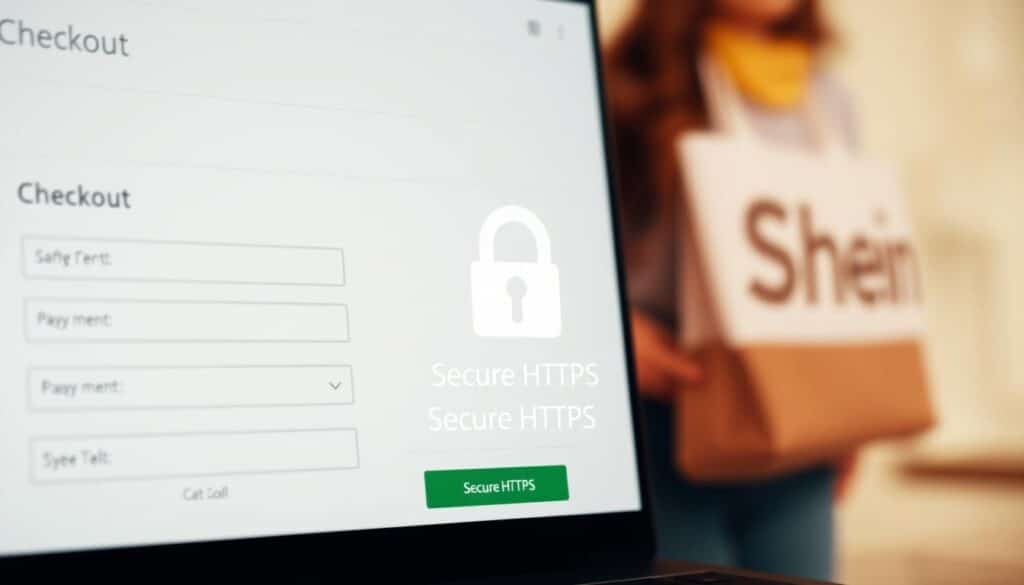
Shein’s payment process should be secured with HTTPS, ensuring a protected link between your browser and Shein. Keep an eye out for the padlock icon in your browser’s address bar when entering payment info. This padlock means the secure SSL/TLS Shein checkout is working, protecting your login and card details.
Tokenization and storage of payment credentials
Shein says it swaps out real card numbers with tokens. These tokens can’t be used by thieves, making them safe. Tokens help merchants manage repeat orders without saving actual card details. This method lessens the risk if hackers get into their system.
Data retention policies and PCI DSS compliance claims
Shein’s policy details the payment info they keep, for how long, and the reasons behind it. Customers in the U.S. should look at how long Shein keeps data for orders, refunds, and checking for fraud.
Merchants working with Shein need to stick to PCI DSS rules. They do this through secure payment gateways and checks by security experts. While Shein talks about following these rules, real confidence comes from audits of their payment system.
Shein uses encryption and tokens to reduce risks, but no system is perfect. Threats like account hacks, scams, and third-party data leaks can still happen. It’s up to you to decide if Shein does enough to keep your data safe, based on their HTTPS security, token use, and payment system checks.
Is my data safe with Shein: analyzing privacy policy and past incidents
Reading the Shein privacy policy is a good start before entering your payment info. It tells you what info the company collects and for what reasons. This includes data used for completing your order, marketing, and supporting customers. U.S. shoppers will see how their data gets shared and can choose to opt out of marketing.
The policy covers the payment info Shein might get, how long they keep your data, and how to ask for your data. It also talks about why Shein says it needs your data and how you can agree or disagree with its use. This info is crucial for deciding if Shein is safe for storing your personal details.
Recent reports have highlighted Shein data issues, focusing on account and email leaks more than stolen payment card info. Most stories about Shein data breaches talk about user logins and personal info (PII). There have been a few cases of direct payment card problems linked to Shein’s system.
When looking into Shein data breaches, note when they happened, what info was at risk, and how the company responded. Important responses include password changes, notifying users, and working with card companies. These steps show how seriously Shein takes safety.
Independent reviews can boost trust in Shein if auditors share their findings. Reviews might include tests for security weaknesses, and signs that payment processes are safe. Look for signs like secure connections, major payment services like PayPal, and safety checks done by those services.
Yet some reviews of Shein’s security haven’t been fully shared. It’s wise to check app store comments, summaries of past audits, and payment partners’ statements. These do not ensure perfect security but help understand Shein’s safety efforts.
Risks change over time. Phishing, user actions, and external services impact Shein’s data safety. Consider privacy promises and security checks as pieces of a bigger picture. Think about this when choosing how to pay and what personal info you keep with them.
Is Shein safe to use credit cards: risks and protections
Using a credit card on Shein might make you wonder about safety. U.S. networks like Visa and MasterCard have policies to protect you from losses. They limit your risk for charges you didn’t approve.
Typical credit card protections
Your card issuer offers ways to dispute bad charges or merchant mistakes. Signing up for alerts can catch strange charges early. These safety features are why shoppers ask about using credit cards on Shein.
How chargeback Shein works
If your order is wrong or doesn’t show up, you can dispute it. The card network will review and might credit you temporarily. Keep emails, receipts, and tracking info to support your chargeback Shein case.
Spot and avoid scams
To steer clear of fake charges, beware of redirecting checkouts off Shein’s site. Also, watch for strange billing names and confirmation emails. Don’t follow links asking for payment updates from unknown sources. Always check if emails come from Shein’s official app or email addresses.
Fraud monitoring tips
Set up alerts with your bank to catch fishy charges right away. Have a strong password and use two-factor authentication for your Shein account. These actions boost the safety of using credit cards on Shein.
Best practices for international purchases
Choose cards known for strong protection and check any fees for foreign transactions. Look for checkout security like CVV and AVS checks. Don’t save your card info unless Shein confirms it’s securely stored and tokenized.
Practical recommendation
For U.S. shoppers, credit cards are a secure choice for buying from overseas stores. The ability to dispute charges and the card’s fraud monitoring are better than direct debit. They protect you from scams and unauthorized charges.
| Protection | What it does | How it helps with Shein |
|---|---|---|
| Dispute process | Lets cardholder contest unauthorized or incorrect charges | Supports refund claims when orders are missing or wrong |
| Chargeback Shein | Formal network-level reversal requested via issuer | Provides provisional credit while an investigation runs |
| Zero-liability | Limits cardholder responsibility for fraudulent purchases | Reduces financial impact of stolen card numbers |
| Fraud alerts | Real-time notifications of suspicious activity | Speeds response and card freezes to stop further losses |
| Tokenization | Replaces card numbers with non-sensitive tokens | Prevents merchants from storing raw card data |
Is it safe to pay Shein with a debit card: pros and cons
Shopping online with a debit card seems easy. People often wonder if it’s safe to use their debit card on Shein. We’ll discuss the benefits, common risks, and tips for making safer purchases from international stores.
Differences between debit and credit protections in the US
It’s important to know how debit and credit protections differ. Debit payments take money directly from your account. Federal rules cover unauthorized transactions for debit cards, but your bank’s help may depend on how fast you report any trouble.
Credit cards offer stronger safety features and quicker dispute processes under Federal rules. They help to avoid long waits for disputed money to return.
Potential risks of using debit cards and how to mitigate them
Shopping with a debit card on Shein can lead to immediate money loss from fraud. Dispute investigations might also take longer. Banks may not offer quick credits like they do with credit card complaints.
To lessen these dangers, use debit cards with Visa or MasterCard logos. Turn on transaction alerts and keep your account balance low. Choose banks with quick fraud handling and provisional credits. Using PayPal or a virtual card number can further protect your checking account.
When a debit card might be acceptable and safer alternatives
Using a debit card could work if you don’t have a credit card. Make it safer by using a special account with less money in it. Choose a bank with good fraud prevention and dispute support.
The safest payment methods for Shein are credit cards, PayPal, or virtual card numbers. They limit the risk to your main account and offer better support if problems arise.
| Payment Option | Primary Benefit | Main Drawback | Best Use Case |
|---|---|---|---|
| Credit card | Stronger consumer protections, faster provisional credits | Potential for higher interest if balance carried | Large purchases or international sellers |
| Debit card | Direct access to funds, familiar process | Debit card risks Shein: immediate balance hit and slower disputes | Small, low-risk purchases from trusted merchants |
| PayPal / Third-party | Merchant isolation, strong buyer protection | Not accepted everywhere, account-level risk if credentials stolen | When seeking an extra layer between bank and merchant |
| Virtual/single-use card | Limits merchant exposure, single-use numbers prevent reuse | Requires issuer support, setup step needed | One-off orders or unfamiliar retailers |
Safest way to pay for Shein: comparison of payment methods
When you decide how to pay on Shein, it’s about convenience and security. This guide explores options for U.S. shoppers. It looks at safety, dispute handling, and how easy each method is to use.
PayPal and other third-party payment processors
PayPal keeps your banking details apart from the seller. This means more protection and a clear way to solve issues. Many choose PayPal when buying from Shein. They do this because PayPal handles disagreements before your bank does.
Other services like Apple Pay and Google Pay work in a similar way. They safeguard your info by not giving Shein your actual card number. This limits how many have access to your payment details.
Virtual cards, single-use card numbers, and card tokenization
Virtual cards offer a unique number for each purchase. Banks and websites provide these. Some examples are Capital One Eno, Citi Virtual Account Numbers, and privacy.com. This stops hackers from using your card more than once.
Tokenization turns your card number into a secure token. Shein can’t use this token anywhere else. Always check if Shein uses tokenization before saving your card details for later.
Buy-now-pay-later and digital wallets — safety checklist
Services like Afterpay, Klarna, and Affirm let you split your payment. Whether they’re safe on Shein depends on their rules and how they protect your account. BNPL companies might solve problems differently than credit cards do.
Digital wallets use strong security measures on your device. Things like a fingerprint to open and tokens that are good for one use make Apple Pay and Google Pay good for those who want quick payments but still stay safe.
| Payment Method | Primary Benefit | Main Drawback |
|---|---|---|
| Virtual single-use cards | Limits exposure; one-time use | Requires issuer or service setup |
| PayPal / reputable wallets | Dispute support; hides card details | Account access must be secured |
| Credit cards | Chargeback and fraud monitoring | Card data stored if not tokenized |
| Debit cards | Convenient for bank-linked users | Fewer protections than credit cards |
| BNPL services | Flexible payments | Varied dispute processes and risk |
For lots of U.S. shoppers, the safest ways to pay for Shein include virtual cards and privacy tools. Next best are PayPal and well-known wallets. Credit cards are strong with active fraud measures. Debit cards and some BNPL services are riskier, depending on their policies and how secure your account is.
Practical steps to protect your payment data while shopping on Shein
Shopping on Shein is fast and affordable. To keep your payment data safe, take simple steps before entering your card details. These small habits greatly reduce risk and secure your account.
Use strong, unique passwords
Make sure your password is long and includes letters, numbers, and symbols. Avoid using the same password for Shein and other websites. Use a trusted password manager to help create and store unique passwords.
Enable two-factor security where possible
If Shein offers two-factor authentication (2FA), turn it on in your account settings. In case Shein doesn’t offer 2FA, secure your account by enabling 2FA on related accounts like your email, PayPal, Apple ID, or Google account. This step makes it harder for someone to gain unauthorized access to your account.
Watch your bank and card activity
Check your bank statements often, like daily or weekly. Use alerts and notifications from your bank to spot any unusual charges quickly. Immediately report any transactions you do not recognize.
Choose safer payment options
When possible, use PayPal or a virtual credit card. Virtual cards and single-use numbers can help protect your real card number. Try not to save your payment methods on Shein unless you know they use tokenization.
Secure your connection and browser
Never use public Wi-Fi for transactions. For safe shopping, use a VPN on public networks. Also, keep your browser and operating system up to date. Before entering your card information, make sure the site uses HTTPS and has a valid certificate.
Clean up account hygiene
Regularly check your saved addresses, payment methods, and past orders on Shein. Remove any old cards and turn on alerts for changes to your account. Always log out after buying something on a shared device. Also, clear any saved autofill payment info in your browser.
| Step | Action | Why it helps |
|---|---|---|
| Passwords | Create unique, long passwords; use a password manager | Prevents credential stuffing and account access from reused passwords |
| Two-factor | Enable two-factor authentication Shein or on linked accounts | Adds a second verification step to stop intruders |
| Monitoring | Monitor bank statements and set transaction alerts | Detects unauthorized charges quickly for fast response |
| Payment choice | Use PayPal or virtual/single-use cards | Limits exposure of real card details |
| Network safety | Prefer secure Wi-Fi shopping or a trusted VPN | Prevents eavesdropping on payment information |
| Account hygiene | Remove old payment methods; log out on shared devices | Reduces stored targets and limits damage on breaches |
What to do if you suspect fraud or a charge you didn’t authorize
If you find a Shein charge you don’t recognize, act quickly. Taking fast action can help limit losses and speed up recovery efforts. Here are the steps to take, who you should contact, and resources for issues like identity theft.

Immediate steps: contact bank, freeze card, and report to Shein
Contact your bank or card issuer immediately to report the unrecognized transaction. Request a temporary freeze or a new card to prevent more charges.
For PayPal payments, visit the Resolution Center to submit a claim. For card payments, ask for a fraud block and make a note of any temporary credits given by your bank.
Reach out to Shein’s customer support through their official contact methods. Ask to cancel the suspicious order. Keep all records, like order numbers and email conversations, as evidence.
How to file a dispute or chargeback in the US
Begin a dispute with your card issuer as soon as you spot an unauthorized charge. Share details of the transaction, any proof of purchase, and communications with Shein.
Your bank may provide a temporary credit during the investigation. If things can’t be resolved with the merchant, your bank could start a chargeback with card networks in the US to get your money back.
Make sure to note your dispute’s case number. Check on your claim if you haven’t heard back within your bank’s given timeframe.
Reporting identity theft and additional recovery resources
In cases of personal data theft, report it to the Federal Trade Commission at identitytheft.gov. Use their identity theft reporting tools for a recovery plan.
Put a fraud alert or freeze on your credit with Experian, TransUnion, and Equifax. For significant fraud or any criminal activity, file a report with the police.
Watch your credit reports and bank statements for new fraudulent activity. Keep all documents related to the fraud, like emails and case numbers, for any future disputes or legal matters.
Conclusion
Shein’s payment security includes HTTPS, tokenization, and privacy policies. These are basic steps for online shopping safety. But the real safety comes from the payment method, your device, and understanding past security issues. Always check your statements and security updates.
Wondering if your data is safe with Shein? For most, the risk is low if you’re careful. Use safe payment methods like PayPal, digital wallets, or one-time use card numbers. For extra protection, choose a credit card over a debit card. This way, you get better fraud protection.
Improve your security with these tips: Turn on two-factor authentication, use secure Wi-Fi, keep an eye on your bank statement, and act fast if you see any strange charges. No shopping system is completely secure. Yet, taking these steps can help keep your Shein purchases safe.
FAQ
Is my data safe with Shein when I enter payment details?
Is Shein safe to use credit cards?
Is it safe to pay Shein with a debit card?
Is it safe to pay Shein with PayPal or other third-party processors?
What is the safest way to pay for Shein?
Does Shein store my card information and how secure is that storage?
What if I suspect a fraudulent charge from Shein?
How can I reduce the risk of fraud when shopping on Shein?
Are Shein’s privacy policy and data retention practices safe for US customers?
Do I need to worry about regional differences as a US shopper using Shein?
Are buy-now-pay-later (BNPL) services safe to use on Shein?
How can I tell if a Shein checkout page is secure before I pay?
Should I save my payment information on Shein for faster checkout?
Content created with the help of Artificial Intelligence.