This short guide answers a common question asked by U.S. shoppers: is Shein safe? We explore chemical safety in clothing, how reliable the products are, and tips for safer online shopping.
It gives details on toxins in Shein clothes, U.S. regulations, and studies. There are also tips like washing new clothes to reduce risks. Plus, info on returns, shipping, and deciding if buying from Shein is a good choice.
Anúncios
Sources include U.S. Consumer Product Safety Commission, EPA, and textile studies. Also, reports from Consumer Reports, labs, and news on fast fashion and Shein.
This guide aims to help you figure out if shopping at Shein is safe. It offers ways to lessen chemical risks and check if Shein is trustworthy before buying.
Anúncios
Key Takeaways
- Shein sells low-priced clothes which may have chemical concerns; it’s important to know what to check.
- CPSC and EPA in the U.S. have rules, but not all imports get checked before sale.
- Washing, airing out, and choosing cotton or certified products can quickly lower chemical exposure.
- Delivery, returns, and customer service track records are key in deciding if Shein is trustworthy.
- Independent lab reports and reputable media investigations help in judging safety and trustworthiness.
Is Shein Safe to Buy From? Toxins, Chemicals, and Trustworthy Shopping
This piece guides U.S. buyers on buying budget clothes online. Learn about Shein, U.S. textile regulations, and harmful chemicals in inexpensive apparel. It offers tips to limit chemical exposure and solve issues with orders or safety.
What this article covers and why it matters for U.S. shoppers
Shein sends lots of cheap clothes to the U.S. People worry about skin reactions from dyes and chemicals. We explore if Shein is safe for your skin and look at what news reports and safety checks say.
Key questions answered: safety, toxins, trust, and care tips
This guide addresses big worries. It checks if clothes meet safety standards and names detected chemicals. It answers if you can trust Shein with returns and describes how to wash out chemicals. These tips help keep your skin safe.
How to use this guide to make safer purchases
Use this as a checklist. Look at product info and material tags, pick natural materials, and wash clothes before wearing. Rate sellers and see if there are any test results. If something seems wrong, report it to consumer agencies.
Overview of Shein as an online retailer and its popularity
Shein started as a fast-fashion retailer from China and got big fast by selling affordable clothes online. They grew their U.S. audience quickly using social media ads, teaming up with influencers, and focusing on their mobile app.
Company background and growth in the U.S. market
Shein takes inspiration from brands like Zara and H&M but moves even faster, dropping thousands of new products every week. This strategy involves small production batches and quick style changes.
Their direct sale method and strong online marketing attracted many Gen Z and budget-conscious shoppers in the U.S. Now, people often wonder about the safety of buying from Shein, asking about chemical risks due to the rapid production and low costs.
Why Shein appeals to budget-conscious shoppers
Shein’s low prices and constant deals grab the attention of budget shoppers. The app is user-friendly, with lots of styles and sizes. It lets customers follow the latest trends affordably.
With so many promotions and a vast selection, shoppers see a lot of value in Shein. But the low prices and fast-changing styles make some wonder about the quality of their purchases.
Common consumer concerns about fast fashion brands
Fast fashion comes with downsides. Customers talk about mixed quality and clothes not lasting long. Some brands are not clear about where their clothes come from or how they’re tested.
People are also worried about harmful chemicals in the clothes and if testing is reliable. This leads many to search for reviews on Shein’s safety, looking for first-hand experiences and test results before buying.
| Topic | What shoppers see | Questions this raises |
|---|---|---|
| Price | Very low, frequent sales, bundle deals | Does low cost affect material safety or durability? |
| Selection | Thousands of styles, rapid turnover | Is sizing consistent and are product details accurate? |
| Quality control | Varies by batch and supplier | Can I trust buying from Shein for consistent results? |
| Transparency | Limited supplier and testing disclosures | Do reviews and third-party tests address safety concerns? |
| Environmental and chemical risks | Fast production may use cheaper dyes and finishes | What do is shein safe to buy from reviews reveal about toxins? |
Regulatory standards and testing for clothing sold in the United States
The U.S. follows many rules for textile safety. The Consumer Product Safety Commission sets fire safety rules for kids’ sleepwear. The Environmental Protection Agency and the Toxic Substances Control Act check some chemicals. No single rule covers all textile dangers. California’s Proposition 65 makes companies warn about certain chemicals in products sold there, often affecting products all over the country.
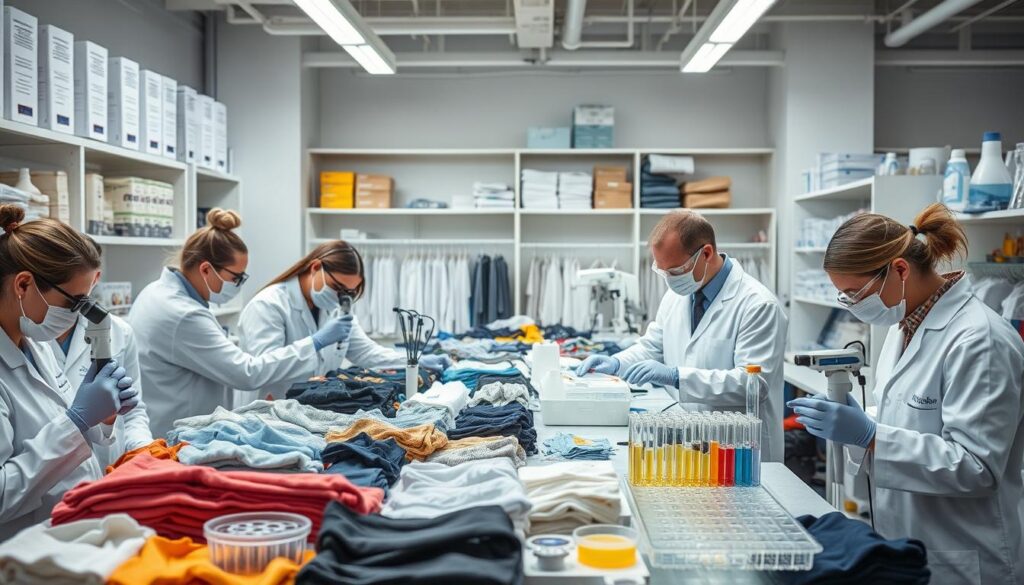
U.S. regulations related to textile safety and chemical limits
Regulations target specific harmful substances in clothes. Authorities test for harmful chemicals like formaldehyde, some dyes, lead on metal parts, PFAS for water repellency, and certain fire-proofing chemicals. The allowed levels for these chemicals vary by state and program. If clothes meet standards like OEKO-TEX Standard 100 or GOTS, it’s easier for buyers to know they meet safety limits.
How imported garments are screened at customs
Customs checks imports for wrong labels, banned items, and safety issues. They can hold shipments that don’t follow rules. The process includes random checks and specific targeting based on risk, type of product, and where it’s from. Since there are so many imports, not everything is checked. This makes import checks important but not 100% reliable.
Third-party lab testing: what to look for in lab reports
Good lab reports show testing methods and limits. They mention standards like ASTM, ISO, or EPA, and show limits for tested chemicals. Reports should come from labs certified by credentials like ISO/IEC 17025 and explain how they chose samples. Analysis certificates must give exact chemical amounts and compare them to legal limits.
If a seller makes safety claims, ask for their analysis certificate or an independent test report. Open testing info can ease worries about toxins in clothes and help you decide if shopping from places like Shein is safe for your home.
Shein clothes toxins: known issues and reported cases
Some fast-fashion items have been tested for toxins. People are asking if this means all such clothes are risky. This part talks about the chemicals found, reports from labs and media, and how some clothes might be more risky.
Types of chemicals sometimes found in inexpensive garments
Cheap clothes may have chemicals to keep them wrinkle-free. These include formaldehyde and azo dyes, which could become harmful. Solvents might linger from the clothing-making process. Items like prints and buttons could have heavy metals, such as lead. Water-resistant clothes might use PFAS chemicals. Also, some added fragrances and coverings could cause allergies.
People with sensitive skin or breathing problems might react to these chemicals. Clothes for kids or items with metal need extra care due to U.S. rules.
Documented incidents and media investigations involving Shein
Some labs and news groups have tested a few Shein products for chemicals. These tests don’t cover all Shein’s items.
They often ask for more tests to see how common these chemicals are. They’ve found some labels that don’t match up and items that don’t follow rules. These discoveries help focus more tests, but don’t say all items are bad.
How risk varies by fabric type and garment treatment
Man-made materials like polyester need more chemicals for color and to avoid wrinkles. Rayon and nylon can keep solvent leftovers. Clothes made to resist water or stains usually have more chemicals, especially PFAS. More decorations or coatings mean more potential for metal bits in decorations.
Children’s wear and clothes worn close to the body can be more exposed to these chemicals. How risky they are depends on how much there is, how often you wear them, and personal health.
| Chemical or issue | Where it is found | Potential concern | Typical mitigation |
|---|---|---|---|
| Formaldehyde-based resins | Wrinkle-resistant finishes on shirts and trousers | Skin irritation, allergic reactions | Wash before wear; choose untreated fabrics |
| Azo dyes / arylamines | Brightly colored fabrics and prints | Some arylamines are carcinogenic at high exposure | Prefer tested certifications; launder new items |
| Solvent residues | Processed rayon, nylon, and other synthetics | Respiratory irritation, chemical sensitivity | Air out garments; use multiple washes |
| Heavy metals (lead, cadmium) | Metal trims, printed pigments, accessories | Neurological and other health effects with high exposure | Avoid damaged trims; insist on compliant children’s wear |
| PFAS | Water- and stain-repellent treatments | Persistent in environment; potential long-term effects | Choose non-treated items; ventilate and wash |
| Fragrance / antimicrobial additives | Scented finishes and treated activewear | Allergic reactions, skin irritation | Look for fragrance-free labels; prewash |
Wondering if Shein is safe? Look at test reports and think about the type of product and your health. Tests on Shein clothes offer info to make safer choices and figure out what needs more testing. Remember, testing a few items doesn’t mean every item has problems.
Can I trust buying from Shein: reliability, returns, and customer service
Many shoppers in the U.S. wonder if they can trust Shein for their orders. When it comes to shipping, it often comes from far away. This means economy shipping might take weeks. Paid express shipping is faster but costs more. It might still use several carriers.
Tracking your order can be confusing. It might stop updating when it switches between carriers. This can make you worry about your items getting lost or arriving late. If you need something quickly, use faster shipping or order from local sellers.
Shein’s return policy has specific rules. You can return many items within a certain period. But, things like underwear and sale items are final sales. Who pays for return shipping depends on the reason for the return.
Getting a refund can be quick or slow. Some people get their money back soon after returning an item. Others have had to wait or even argue for it through the app. If you’re having trouble getting a refund, dispute it in the app. Make sure to have photos and timestamps as evidence.
Use payment protections if you need to. If disputes in the app don’t work, credit-card chargebacks and PayPal protection can help. Keep all order info, tracking updates, and emails from customer service.
Looking at customer feedback can show you if Shein is safe to order from. Check reviews on the product page, Trustpilot, Reddit, and the Better Business Bureau. Look for common complaints about size, material, or refunds. Don’t focus on one bad review.
Start with small orders to test Shein’s service. Pick items that are cheap and have lots of good reviews. Look for clear pictures and sellers who reply to customers. For important items like children’s sleepwear, pick sellers who show safety certificates.
The table below shows common issues with Shein and what you can do. It helps you understand Shein’s return policy, shipping, and customer service.
| Issue | Common Experience | Practical Action |
|---|---|---|
| Long economy shipping | Orders take 2–6 weeks from overseas warehouses | Choose express shipping or buy from a U.S. seller for urgent needs |
| Poor tracking updates | Carrier handoffs create scan gaps and uncertainty | Save all tracking screenshots and check carrier sites directly |
| Items arriving separately | Multiple packages at different times are common | Plan for staggered arrivals and verify each tracking number |
| Return eligibility | Many items returnable; exceptions include intimates and final-sale goods | Read the product’s return notes before buying and photograph items on arrival |
| Return shipping cost | Sometimes the buyer pays; promotional labels may apply | Check whether Shein covers postage for refunds or exchanges |
| Refund timing | Refunds can be quick or delayed, depending on processing and disputes | Open app disputes if delays occur and use payment protections if needed |
| Customer service responsiveness | Mixed reports: some swift replies, some slow or automated answers | Document all contacts and escalate via app support or payment provider |
| Reputation signals | High-volume positive reviews on products; site-wide complaints about returns | Weigh individual product reviews and third-party sites before larger purchases |
How to reduce chemical exposure from new clothing
New clothes often come with chemicals from production. Washing them well at home can make them safer. Follow these tips to wash correctly, use the right products, and air them out properly.
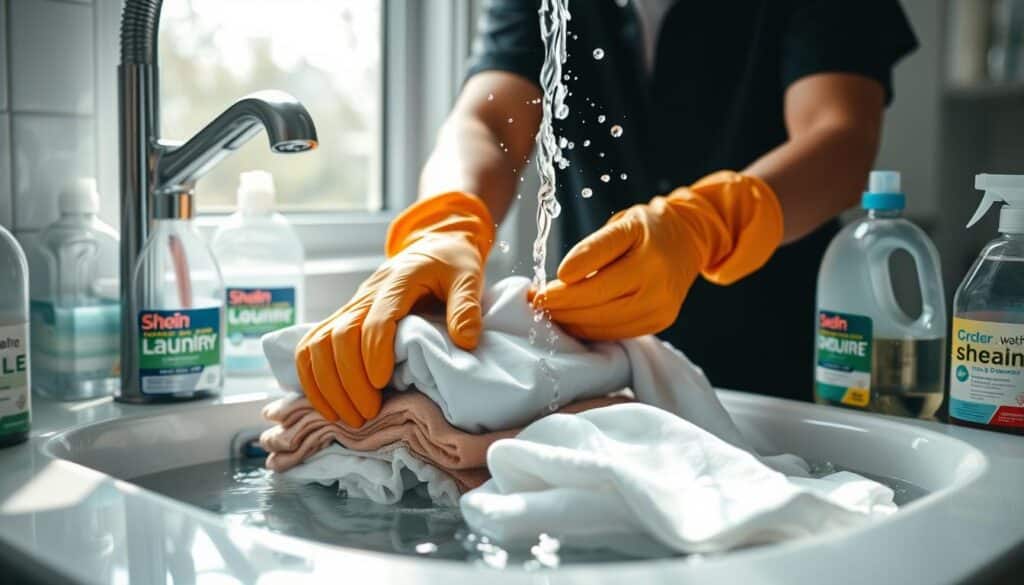
Effective washing techniques to remove surface chemicals
Before wearing, wash new clothes to get rid of surface chemicals. Use hot water as the tag suggests and choose a longer cycle with an extra rinse. If the fabric is fragile, pick a gentle wash but rinse twice if needed.
Soak clothes in plain water for 15–30 minutes before washing. Doing this, then washing a few times, removes more toxins than a quick wash.
Products and detergents that help neutralize residues
Pick unscented, dye-free detergents to keep irritants away. Oxygen-based cleaners in some detergents can break down chemical finishes.
Adding ½ cup of baking soda to your wash or using ¼–½ cup of white vinegar in the final rinse helps too. Use enzyme cleaners for organic stains but they won’t take out synthetic chemicals.
For tough residues, try special laundry additives designed for textiles. Always check the ingredients and look for ones that have been independently tested for safety.
When to air out, sun-dry, or avoid wearing immediately
Hanging clothes in the sun can fade smells quicker thanks to UV light. If the color might fade, dry them in a shaded, breezy place.
Don’t use high heat on delicate fabrics as it can seal in chemicals. If clothing still smells after washing, wash it more and let it air longer.
If any new piece smells too strong, leaves marks, or irritates your skin, don’t wear it. Wash new items for babies and those with sensitive skin more and pick natural or tested fabrics.
Wondering about buying from Shein for sensitive skin? These steps can help lower risks. If you think a piece has harmful chemicals, don’t try to fix it yourself. Report it to consumer authorities instead.
Practical shopping tips to minimize risk and improve trust
Begin each purchase by checking the product carefully. Look at material content, washing instructions, and size guides. Find out if items have OEKO-TEX or GOTS certifications and if they’ve been third-party tested. This helps clarify if buying specific items from Shein is trustworthy.
Focus on the type of fabric used. Natural materials like cotton and linen often require less chemical treatment. But they’re not always completely residue-free. For those with sensitive skin, it’s safer to choose items with organic certifications or GOTS labels. Steer clear of products with strange fabric mixes that haven’t been tested, especially for items like underwear or kids’ clothes.
Check for signs that sellers are reliable. Look at the number of reviews, photos from recent buyers, and comments about the fit. It’s best to choose sellers who’ve been around for a while, respond quickly, and have few complaints. If an item from a well-known brand seems too cheap, compare it with official website photos to spot fakes.
Choose safe payment options. Using credit cards or PayPal can help you if you get something damaged or not as described. This step makes it clearer whether buying from Shein is secure, especially concerning payment protection.
Try a gradual approach to shopping. Begin with items like bags or scarves that don’t touch your skin much. Always wash new purchases to remove any residual chemicals from Shein’s clothes. Use Shein for fashion items rather than daily essentials, especially if you’re concerned about chemicals or how long something will last.
Look for more transparent brands if that’s important to you. Companies like Patagonia, Everlane, Pact, and Eileen Fisher share details about their supply chains, audits, and how they manage chemicals. Going for brands that are well-tested can lessen worries for those wondering, “is Shein safe?” and need assurance for the long haul.
When unsure, follow this simple buying guide:
- Check if there’s info on materials and certifications.
- Look for reviews with real photos.
- Make sure the seller has a good track record and responds well.
- Pick a payment method that offers protection for buyers.
- Plan on washing new clothes to remove chemicals.
Following these tips offers a safer, more certain online shopping experience. They assist in making an informed choice about whether buying specific items from Shein is reliable, with a focus on skin safety and protecting your purchases.
Environmental and ethical considerations tied to fast fashion
Fast fashion uses methods that let chemicals seep into air and water. The dyeing and finishing processes use strong substances, including PFAS. These can pollute waters if not treated properly.
Areas with weak laws suffer more pollution, harming local communities. Wondering about shein’s safety? It’s tough to see how our shopping affects the places making these clothes.
How production practices can affect chemical use and pollution
Seeking low costs, fast fashion opts for quick and cheap chemical processes. This can lead to harmful substances in clothes and the environment. That’s if they cut corners on safety or testing.
Labor, transparency, and corporate responsibility issues
When speed trumps traceability, it hides bad labor practices. Find brands that are open about where and how they make clothes. They should support checks like SA8000 and share their chemical policies.
Companies like Levi’s and Patagonia give clear details on their operations and chemicals. Look for OEKO-TEX or bluesign certifications to ensure safer practices.
Small steps shoppers can take to reduce environmental impact
Buy fewer, better-quality items. Fix them instead of throwing them away. Use platforms like ThredUp or local shops to buy secondhand.
Donating or recycling clothes keeps them out of landfills. Choosing durable over disposable reduces the overall harm of fast fashion. It lessens the demand for harmful chemical use in production.
Conclusion
Is it safe to shop from Shein? This question needs a careful look. The vast reach of Shein’s fast fashion brings up issues with quality and openness. Some studies and reports have found harmful substances in cheap clothes. However, the risk varies by the type of fabric and how you use the clothes. Toxins found in Shein’s clothing are not unique to them but are a widespread issue.
For U.S. shoppers wondering about Shein’s reliability, the advised approach is to shop smart. By taking simple steps such as washing new clothes before wearing, opting for items that touch the skin less, picking natural materials, and reading reviews, shoppers can use Shein safely. People who are more sensitive, like kids, or those with allergies, should go for clothes that are certified safe.
Helpful tips include checking tags for fabric type and safety certificates, and washing all new clothes to remove chemicals. It’s also smart to keep your purchase records and stay updated with what other customers say. If you think a product is unsafe, contact the Consumer Product Safety Commission or local consumer protectors. You might also want to get independent advice or help.
Trust in brands like Shein should be cautious and based on knowledge. By verifying information, being careful with what you buy, and cleaning new clothes properly, you can lower health risks. Remember to think about the environmental and moral issues linked with fast fashion. Try to choose more sustainable options when you can, to be both safe and responsible.
FAQ
Is Shein safe to buy from?
Can I trust buying from Shein for everyday clothing?
What toxins have been reported in Shein clothes?
How can I wash chemicals out of Shein clothes?
Which washing products help remove residues and odors?
Are certain fabrics more likely to carry chemical residues?
What should I do if a garment causes skin irritation or a strong chemical smell?
How effective is airing clothes outside to remove chemicals?
Do Shein listings show third-party lab tests or certifications?
How do U.S. regulations protect shoppers from unsafe textiles?
What are best practices when returning or disputing an order with Shein?
Should I avoid Shein for children’s clothing or sleepwear?
Are there safer alternatives if I’m worried about chemicals and ethics?
How can I report a suspected hazardous clothing item purchased from Shein?
Content created with the help of Artificial Intelligence.