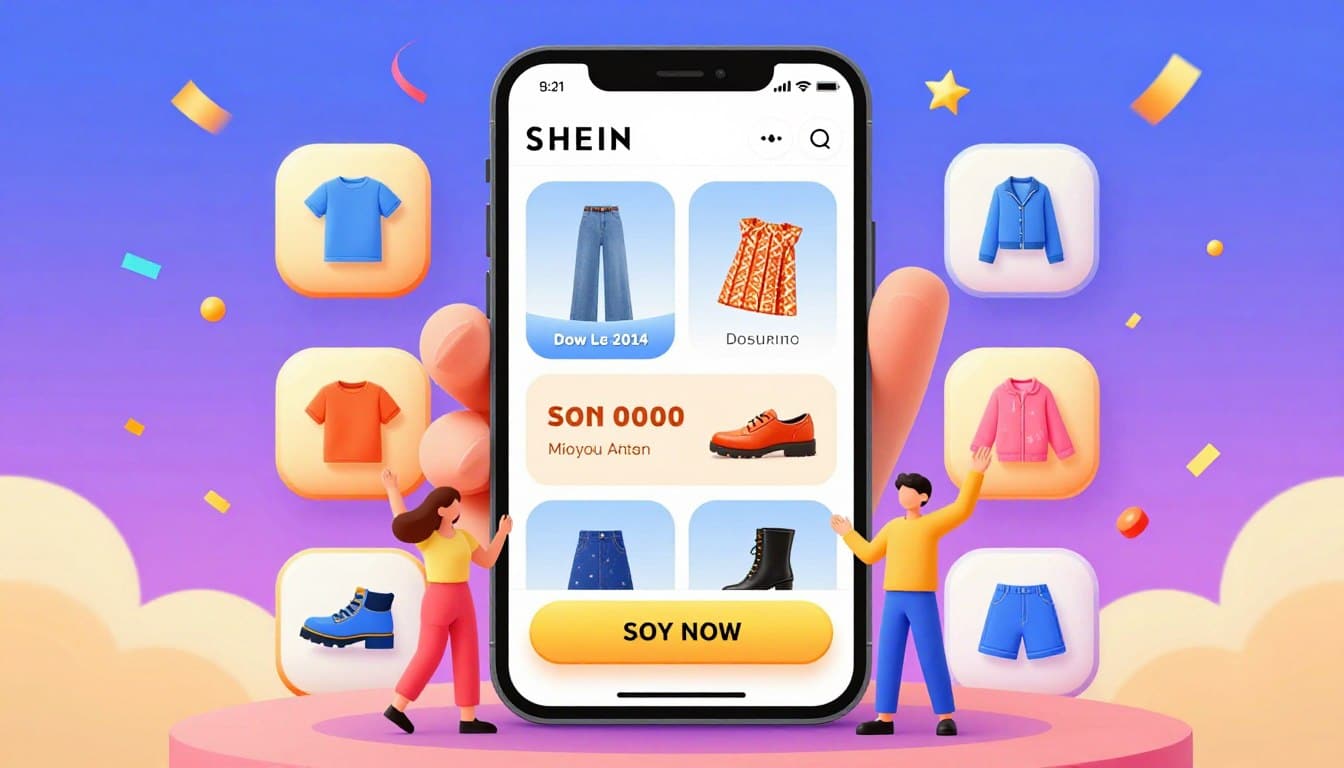
This article talks about how Shein uses in-app signals, social media, and pictures to make important retail decisions in the U.S. market. It looks at how things like clicks, searches, and time spent on a page turn into automated systems. These systems catch on to new styles quickly and get them ready for production. The main point is to show how trends from the Shein app lead to new designs, decisions about inventory, and marketing strategies in the United States.
We’ll keep things simple by focusing on three main ideas. ‘Real-time data’ means the immediate actions users take in the app and on social media. ‘Trend detection’ is about seeing patterns in what users do and like across different platforms. Lastly, ‘fast fashion’ is about getting designs from the drawing board to the shelves quickly. This process depends on analyzing fast fashion data to stay ahead.
Anúncios
This article will explain the journey. First, how Shein picks up on trends through user behavior, social media, and computer tech. Then, it will talk about how algorithms turn these trends into actual products. Lastly, we’ll look at what this speedy process means for business and ethics. If you’re into technology, retail tactics, or how shopping affects consumers, you’ll find neat examples and background. It shows why Shein’s way of tracking trends, especially with mobile shopping and Gen Z’s buying habits, is a game-changer.
Key Takeaways
- Shein app trends are driven by real-time fashion data from clicks, searches, and engagement.
- Trend detection combines in-app metrics, social listening, and image analysis to spot demand.
- Fast fashion data analytics let Shein shorten design-to-shelf cycles for U.S. shoppers.
- Real-time tracking gives a competitive edge but raises supply chain and sustainability questions.
- The article maps data collection, algorithmic decision-making, and business impacts for the Shein U.S. market.
From Data to Fast Fashion: How the Shein App Tracks Trends in Real Time
The Shein app turns clicks and swipes into real-time fashion ideas. It uses what users like, view, and buy to decide on new styles quickly. This data, combined with trends from Instagram, TikTok, and online shops, helps spot new patterns. This mix is key for Shein’s success in fast fashion.
Anúncios
Overview of Shein’s data-driven model
Shein checks interest in products closely, not just in broad categories. Their teams watch the data every minute to catch on to new trends early. Once a design gets popular, it moves quickly to creation and testing.
Influencers and social media make Shein’s styles even more popular. This approach reduces risk when making many products and keeps costs low from suppliers in China. While stores like Zara and H&M also focus on data, Shein is unique in its detailed attention and quick updates.
How real-time tracking shapes product design and inventory
Trending data leads to fast creation of new items. After testing a few, they make more of what sells well. This method means Shein can always offer something new and exciting.
Shein prefers many different items but not too many of each. This strategy avoids unsold stock and keeps their collection up-to-date. By quickly bringing back popular items, they keep customers coming back without having to lower prices too much.
Why speed matters in the U.S. fast fashion market
In the U.S., fashion trends can explode overnight, thanks to TikTok and Instagram. Shoppers look for fresh looks at low prices, making speed key to staying ahead. Quick updates help catch buyers’ attention before anyone else.
Different seasons and preferences in the U.S. make fast, smart stocking essential. Brands that offer new styles quickly and affordably do well, even in short trend cycles, while avoiding too much unsold stock.
How the Shein App Collects Real-Time Data
The Shein app combines different kinds of data to understand what customers want. It looks at small actions within the app and connects them with a network of social media activities and image analyses. This combination helps Shein come up with new product ideas, offer limited-time products, and manage their stock across the U.S.
User behavior tracking within the app
Shein tracks a lot of detailed activities like what people search for, how they move through the app, how long they look at products, and their shopping actions. This data is analyzed to understand patterns based on age, location, and browsing behavior.
Analysts study these patterns to spot what’s getting popular quickly. They test products through short-term sales and see how well they perform before making more.
Social listening and integration with external platforms
Shein pays close attention to what’s happening on TikTok, Instagram, Pinterest, and Twitter. They look for popular hashtags, sounds, and posts from influencers. This helps them catch on to new fashion trends early.
They use tools and collaborate with others to add to what they learn from their app. Influencers help identify small, upcoming trends. Shein then checks these against their own data to decide what to try selling next.
Use of computer vision and image analytics to spot styles
Shein’s image analysis systems look through millions of pictures to find common fashion elements. This includes everything from patterns and colors to the types of accessories. It does this quickly without just looking for certain words.
A visual search helps connect social media photos to Shein’s products or gives designers ideas. This turns popular photos into leads for new items, letting Shein quickly follow what’s trending.
Privacy considerations and data handling policies
Gathering data on how people use the app, where they are, and their device details brings up privacy issues. Shein’s privacy practices aim to meet what customers expect and follow U.S. laws.
They follow specific laws, like those for children and in places like California. Ways to handle privacy include making data anonymous, letting users opt out, and having clear privacy statements. This strikes a balance between personalized experiences and user privacy.
From Data to Decisions: Algorithms and Automation Behind Trend Detection
Algorithms transform clicks and social posts into signals for product decisions. They rate designs based on demand, profit, and popularity on sites like Instagram and TikTok. The systems use classification to predict sales and clustering to find similar items. With reinforcement learning, models adjust based on new data.
Machine learning models that prioritize designs
Classification models predict the success of designs. Clustering identifies patterns across images. Together, they decide which designs might sell well, make good profit, and get popular on social media. Once products are launched, the system updates rankings based on customer reactions.
Automation in design-to-production pipelines
Trend data feeds into systems for quick design sampling. Sketches are sent to suppliers automatically for fast production. This process allows quick turnarounds, making it possible to create samples in days. Automation helps keep the design, production, and shipping times in sync.
A/B testing, recommendation engines, and personalization
A/B testing helps ecommerce sites find what works best. Recommendation systems make shopping feeds more personal. They use customer and product data to adjust what people see online. This keeps the shopping experience fresh and tailored to each user.
Examples of detected trends turned into products
When data shows interest in a style, teams quickly make prototypes. Fast-fashion companies launch many versions of popular trends. They make more of what sells and stop what doesn’t to avoid losses.
Business and Ethical Impacts of Real-Time Trend Tracking
Real-time trend tracking changes the game for fashion brands and shoppers. Brands now use apps to quickly create products based on social media trends. This gives some a big advantage. Trends move fast, making the competition tough for both old and new companies.
Competitive advantages for Shein in the U.S. market
Shein turns viral trends into sales super fast. They use low prices and a huge selection to keep people coming back. This strategy puts pressure on traditional stores and changes how young Americans shop.
Supply chain implications and rapid manufacturing
Fast fashion comes from a network of suppliers and quick production. Brands start small then quickly make more of what sells. This fast fashion model depends on many suppliers to avoid delays.
Quick changes also mean returning items, checking quality, and keeping everything consistent can be hard. Speeding up design to production can strain quality control.
Environmental and labor concerns tied to fast turnarounds
The fast pace leads to more waste and shipping. Fast fashion’s environmental toll includes more textile waste, emissions, and resource use.
Rushing orders can put workers at risk in a complex network of suppliers. Reports and audits have highlighted labor issues with Shein, calling for better oversight.
Regulatory scrutiny and consumer trust issues
Regulators are paying more attention to how companies handle data, safety, and compliance. They’re looking into how brands manage data and where they get their products.
Shoppers want brands to be honest about where and how products are made. Companies are trying to rebuild trust by being more open and adopting sustainable practices.
Conclusion
Shein uses a smart mix of tech to spot fashion trends fast. They blend in-app behavior, social media, and computer vision with smart algorithms. This way, they can make quick decisions on what to design and sell.
This approach helps Shein react quickly to what people want to buy. They can move from design to sale in just a few days. This speed changes what shoppers expect from fast fashion in the U.S.
Being fast has big benefits like more sales, better stock management, and tailored shopping experiences. But, it’s not all good. As Shein grows faster, so do concerns about the environment, worker rights, and privacy.
Leaders and the tech world need to find a balance. They must make sure innovation doesn’t harm workers or our planet. Keeping customer data safe is also critical.
What comes next for fast fashion involves balancing privacy and personalization. There will be more rules to follow and efforts to be greener. Shoppers should think before they buy. Retailers ought to use smart data and adapt quickly but also source ethically. And lawmakers? They should protect both innovation and ethics.
Content created with the help of Artificial Intelligence.