I’m sharing my experience shopping on AliExpress to help U.S. consumers. My tests aimed to assess the site’s ease of use, product quality, prices, shipping, buyer protection, and customer service. This review will help you decide if AliExpress meets your shopping needs.
Through hands-on purchases and timeline tracking, I learned a lot. I compared items, checked seller ratings, and looked into dispute resolution. I even compared AliExpress prices with Amazon, eBay, and Walmart to find the best deals.
Anúncios
AliExpress can be a great choice for those looking to save money on cool items, hobby supplies, or resale goods. But, be cautious about long shipping times and the chance of getting low-quality products. I’ll share tips that helped me save cash and steer clear of scams.
Here’s what you need to know: AliExpress, run by Alibaba Group, connects buyers with sellers mainly from China. Shipping can take from 10 days to 8 weeks. While buyer protection is in place, getting a refund may require extra effort.
Anúncios
I use a friendly tone to offer advice based on my shopping experiences and consumer reports. This guide aims to answer your main question: is shopping on AliExpress a good idea for you?
Key Takeaways
- AliExpress can save you money, but longer shipping times and variable quality are trade-offs for lower prices.
- It’s essential to carefully compare listings and check seller ratings before making a purchase on AliExpress.
- Shipping times vary greatly; it can take between 10 days and 8 weeks, faster options cost more.
- Buyer protection is there, but claiming a refund might involve disputes and providing proof.
- AliExpress is suited for non-urgent buys, finding unique parts, and low-cost tests. It’s less ideal for quick needs or expensive items.
Overview of AliExpress and Marketplace Background
I often shop online, and AliExpress stands out for its variety and affordability. In this overview, I’ll share how the site functions, its development over time, and the typical sellers you will encounter on AliExpress.
What AliExpress is and how it works
Owned by Alibaba Group, AliExpress is a marketplace connecting global consumers with sellers from mainly China. Sellers on the site manage their listings, prices, and stock, while AliExpress oversees payments, orders, and customer disputes.
Its notable features include buyer protection, clear product details, various shipping choices, special deals, and helpful search tools. These aspects enhance the shopping experience significantly.
For U.S. customers, payment options include credit and debit cards, PayPal in some areas, and Alipay. This diversity in payment methods simplifies the checkout process for me.
Company history and global reach
Since its launch in 2010, AliExpress aimed to grant international buyers access to Chinese suppliers. It has broadened its presence into the U.S., Europe, and Latin America over years.
Its growth is supported by logistics alliances and local distribution centers. However, many products are still sent from China. The platform’s user and product counts have immensely increased, a fact I often mention in my aliexpress review articles.
Types of sellers and products you’ll find
The variety of sellers includes small shops, resellers, direct factory outlets, and official brands offering tech and accessories. The range is incredible, covering smartphone accessories, 3D printing supplies, and even smart home gadgets.
You can find items across many categories like tech, fashion, home essentials, car parts, beauty products, toys, and crafts. Prices range from affordable no-name items to official brand products. It’s key to read the details and reviews carefully to avoid fake or misleading listings.
Hobbyists and small business owners often purchase individual items or in bulk. The time it takes to get items and the order size needed varies by seller, which plays a significant role in your buying decision on this platform.
Buying on AliExpress: My Buying Experience and Tips
I often buy stuff on AliExpress and want to share some smart steps I follow. My aim is to help you figure out if AliExpress is good for you. I’ll also share tips to make shopping easier and less risky.
How to search, filter, and compare listings
I begin with specific keywords and sort by orders or ratings to find popular items. Then I filter for free shipping, set a price range, and look at seller ratings to avoid unwanted listings. I look at different listings of the same product to compare prices, shipping, and how many have been sold. Items with lots of orders are usually more trustworthy. I save stores I like and ask sellers questions before buying. I stay away from super cheap items with no reviews—they seem too risky to me.
Understanding product pages, specs, and images
On a product page, I read everything and check the specs for size, voltage, and if it will work with my stuff. I look at customer photos in the reviews to see if there are common problems or things missing. I make sure the product numbers match up on the manufacturer’s website, especially for electronics. It’s important to know if the item is original, aftermarket, or a copy. I also carefully read about returns and warranties.
Payment options, buyer protection, and refunds
I usually use a credit card; some sellers take PayPal. AliExpress keeps your payment safe until you say your order arrived. Buyer Protection may help if something’s not delivered, broken, or very different from what was listed. When my order comes, I take pictures and save all messages from the seller. If there’s a problem, I start a dispute with AliExpress and stick to their timelines for possible refunds. Doing chargebacks can make resolving disputes harder.
Shipping methods, delivery times, and tracking
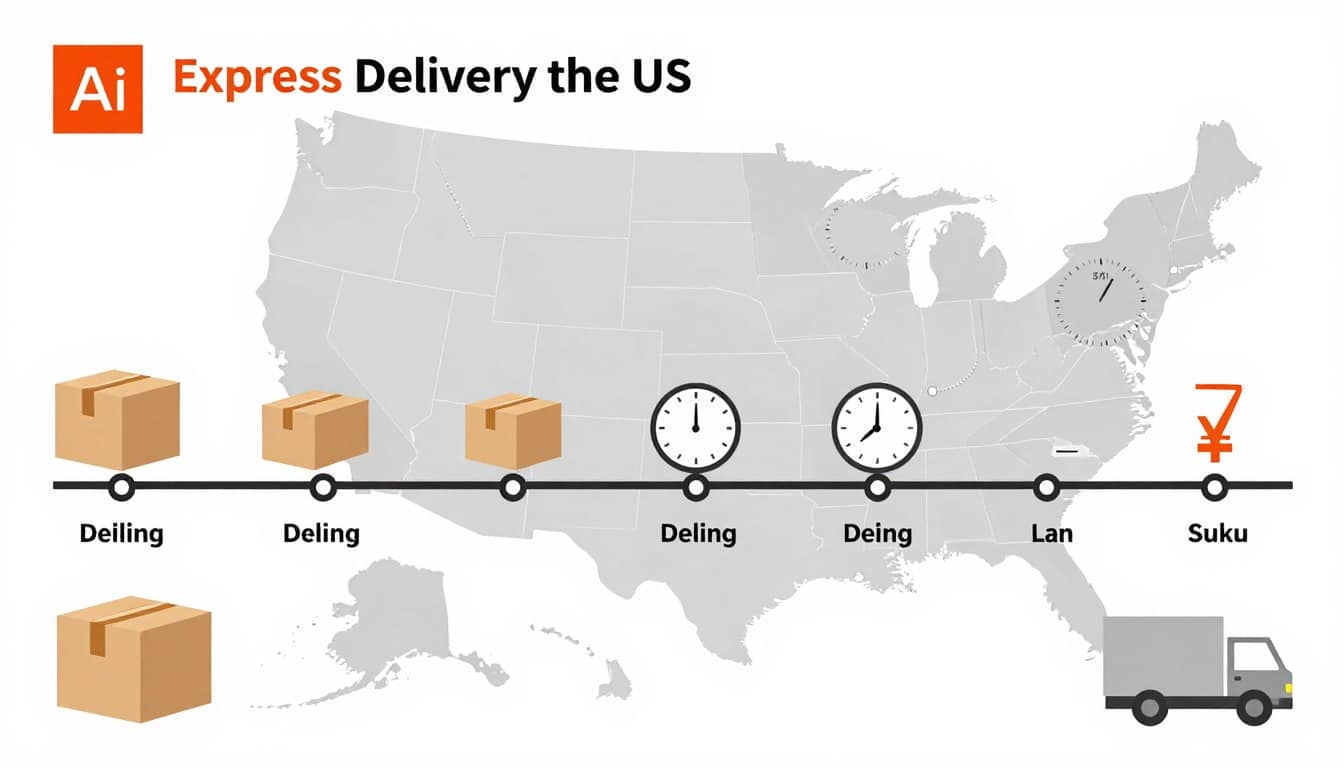
Choosing shipping depends on cost and how fast I need something. AliExpress Standard Shipping and ePacket are cheaper with okay tracking. For quicker, more dependable service, I’ll use DHL, UPS, or FedEx. Items from local warehouses arrive in a few days; ones from China take 2-6 weeks. Some cheap shipping options don’t update much. For expensive items, I always choose shipping with tracking or express shipping. From my experience, ePacket takes about 18 days for small items, China Post around five weeks for electronics, and express services like a week, but they cost more.
I follow these steps to decide if shopping on AliExpress is worth it for me and when writing reviews. This process of filtering, confirming details, saving seller info, and documenting has made shopping better and reduced time spent on disputes.
Aliexpress review: Quality, Pricing, and Value Analysis
I explored dozens of listings on AliExpress to check their value, quality, and seller trustworthiness. I wanted to find out where saving money is beneficial and where it’s risky. This review looks closely at how prices, the quality of construction, and reliable seller signals matter.
Price comparison with other marketplaces
AliExpress often has lower prices than Amazon, eBay, and Walmart, especially for generic phone cables, LED lights, and hobby parts. I found direct-from-factory offers that were much cheaper than retail prices.
Branded products had smaller price differences and a higher chance of being fakes. For name-brand chargers, I compared the total costs, including shipping and duties, with those from authorized sellers.
Product quality and common defects to watch for
Issues I noticed included inexact fits on mechanical parts and cheaper electronic components in low-cost items. Since the photos might not match reality, I checked images uploaded by buyers to verify the product quality.
Chargers and batteries had the most safety issues. I always look for safety certifications like CE on power gadgets and buy just one to test before ordering more.
How to evaluate seller ratings and reviews
I focus on the number of recent sales and current feedback rather than old high scores without recent activity. A seller with lots of recent sales and feedback scores between 4.8 and 5.0 seems more reliable to me.
Negative feedback shows common problems. I look at complaints about items being damaged during shipping, long wait times, and bad customer service. Buyer photos and the seller’s responses in review sections tell you a lot.
When AliExpress is worth it and when to avoid it
AliExpress is great for cheap hobby parts, unique items not available nearby, and large orders from trustworthy factory outlets. These kinds of purchases can handle slow shipping and minor quality issues.
But, I skip AliExpress for items I need quickly, products that must be safe, and expensive brand-name electronics that need a warranty and must be real. For those, local stores with easy returns and confirmed warranties are my go-to.
Customer Service, Buyer Protection, and Aliexpress rating Insights
Let’s talk about how AliExpress deals with order issues. I’ll explain how to properly open disputes on AliExpress. I’ll also cover the usual ways to get support. Lastly, I’ll discuss how AliExpress ratings can tell us about real shopper experiences.
Opening disputes and resolving order issues
First step is to message the seller directly. If their response doesn’t fix the issue by their deadline, begin a formal dispute in the app. This should be done before your buyer protection runs out. Make sure to have photos, tracking screenshots, and a clear statement of your desired resolution ready.
Whether to ask for just a refund or to return the item and get refunded depends on the item’s cost. Returning items to China can be too expensive for cheap items. So these often end with a full or partial refund. Remember, clearly state how you want the issue fixed and keep track of all your deadlines.
Typical response times and support channels
Sellers’ response times vary, but good ones usually reply within one to two days. Some may take longer.
AliExpress offers various ways to get help like in-platform messaging and a Help Center. They also have chatbots, plus live chat or ticket submission for tougher issues. Getting a complex issue resolved might take some time. For urgent or costly orders, it’s best to provide clear info when asking for help. Sometimes, I’ve had to use my credit card’s protection features as a last solution when disputes didn’t move forward. However, this can make things more complicated with AliExpress.
Real buyer experiences and rating patterns
I’ve looked at forums and public reviews to understand AliExpress better. There’s a mix of opinions. Many shoppers love the deals they find on cheap items. Yet, some talk about long delivery times, items not as described, or bad communication.
How much an item costs often affects its rating. Really cheap items usually get more complaints about their quality. Sellers with fair prices and clear return policies often get better ratings. Big sales events like Singles’ Day can cause delivery delays and a rise in negative feedback.
- Check recent reviews from the last three months.
- Look for verified purchase photos and consistent comments.
- Open disputes on aliexpress quickly when issues appear.
On AliExpress, being careful with who you buy from and handling disputes quickly can lead to better shopping experiences and satisfaction in the end.
Conclusion
In this AliExpress conclusion, I highlight its value for those who don’t mind waiting. It’s great for thrifty shoppers and hobby enthusiasts. The platform is a hit for affordable, unique, or rare finds. Savings win, but checking seller quality is key.
Is AliExpress worth it? Yes, but with conditions. It’s best for non-urgent buys, parts for hobbies, and replacements. It’s smart to check seller reviews and pick tracked shipping for valuable items. This lowers risks and usually leads to happier outcomes.
However, it’s wise to skip AliExpress for urgent needs or safety-critical items. Avoid it too for costly tech unless you’re sure about the seller. Keep all transaction details and act fast if you need to complain. This strategy reflects my experience and review findings.
Comparing with U.S. stores, AliExpress has its moments but isn’t always the best choice. I suggest thinking over the trade-offs between cost, convenience, and risk. This helps decide if AliExpress fits your next shopping adventure.
Content created with the help of Artificial Intelligence.