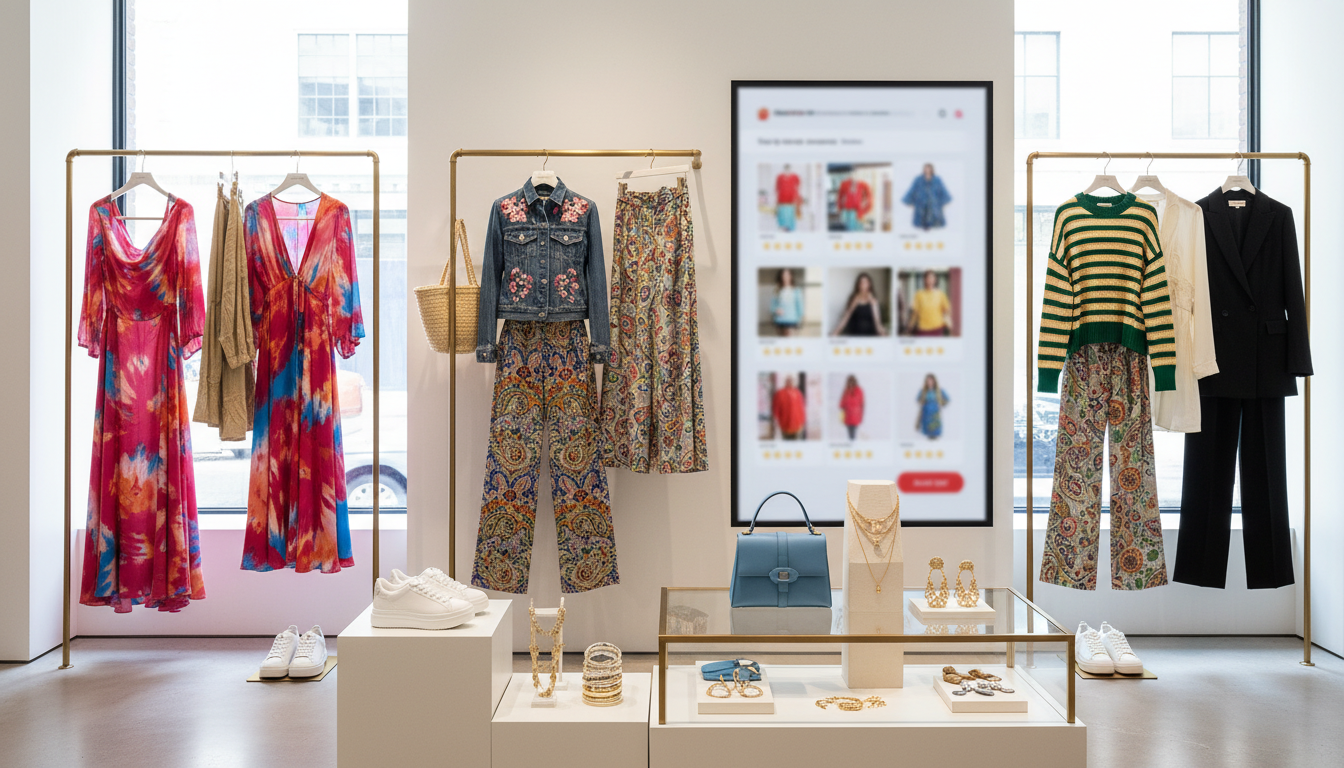
Shein’s rise as the top fast-fashion platform makes user photos vital for shoppers. But, bad review images and unclear photos on Shein make it tough for U.S. shoppers to trust what they see. This leads to more returns and worsens the shopping experience for those watching their budget.
People searching for “Why Low-Quality Review Images Are Ruining the Shein Shopping Experience” seek clear, helpful guidance. This article will show how poor review images can mislead shoppers. They move away from what they see in professional photos, and this harms trust in online shopping.
Ads
Shein handles a massive amount of orders and reviews. This makes the problem big. Many shoppers in the U.S. check review photos before buying to feel sure. When those photos are unclear, too dark, or not shown well, shoppers take a bigger risk. They end up buying less, even if the price looks good.
We will discuss why low-quality images are a problem (Section 2) and how they impact choices (Section 3). We’ll look at common reasons for bad images (Section 4) and ways both shoppers and sellers can make review images better (Section 5). We’ll end with a clear summary on improving review pictures to build trust in online fashion again.
Key Takeaways
- Low-quality review images reduce conversion and raise return rates for fast-fashion platforms.
- Shein review photos often differ from studio listings, creating buyer confusion.
- Budget shoppers rely heavily on product review images to judge value and fit.
- Improving customer-submitted photos can boost the Shein shopping experience and online fashion trust.
- Sections ahead outline causes and practical fixes for shoppers, sellers, and platforms.
Why Low-Quality Review Images Are Ruining the Shein Shopping Experience.
Shoppers use pictures to decide. They look at dresses, tops, or swimwear online. But, when review photos are bad, details get missed. This makes people unsure and often leads to returns and disappointment.
How blurry, poorly lit photos mislead purchase expectations
Blurry review photos can hide important details. Such as how the material stretches or the pattern. Bad lighting can change colors and hide flaws. This means buyers have to guess about the quality, leading to wrong expectations and regretful buys.
The gap between product listing images and customer-submitted photos
Shein’s professional photos use good lighting and editing. But customer photos are less polished, taken in different places. This difference makes shoppers wonder. Are the professional photos too good to be true, or are the customer’s photos not showing the product right?
Impact on trust and conversion rates for budget fashion shoppers
Shoppers looking for deals weigh the value and what others say. But bad review photos make them see more risk and trust less. This leads to more returns and complaints, costing sellers more. It also damages the site’s reputation over time.
How Low-Quality Review Images Affect Buyer Confidence and Decision-Making
Review photos are a key form of social proof. They back up or deny what products claim. When images are clear and colors are true, they increase buyer trust online. This leads to quicker buying decisions. Yet, poor lighting or blurry photos can cause doubt.
When images aren’t clear, shoppers don’t want to risk it. They might leave their cart or put off buying. This makes choosing products harder instead of easier.
Buyers have a tendency to seek confirmation in review photos. If a customer photo doesn’t match the official one, buyers might not trust the review. Or they might skip over it. Low-quality photos make reviews less useful. This reduces their impact on buying decisions.
Shoppers spend more time deciding when photos don’t help. They look on Instagram, TikTok, or sites like ASOS and H&M for better images. This risk of losing a sale goes up.
If photos aren’t useful, shoppers turn to written reviews. These can help, but they’re subjective and can be influenced more easily. This makes reviews seem less reliable overall. And less impactful on purchases.
Unclear images also lead to lower price expectations. Shoppers may want to pay less or wait for a deal if they can’t see quality. This lowers what sellers can charge. And it makes pricing tricky.
For brands and online stores, the effect is real. More returns and bad reviews mean fewer repeat customers. Lower trust online might push customers to shops with better user photos.
Good, reliable review photos shorten the time needed to research and help make better choices. Putting resources into teaching users and improving site tools for better photos can rebuild trust. Good visual proof can fix the negative impact of low-quality photos.
Common Causes of Poor Review Images on Shein and Similar Marketplaces
Customers look for true-to-life photos in reviews. But they often find images that don’t accurately show a product’s look or quality. This is due to camera issues, the way people take pictures, and site policies. Knowing these reasons helps us understand why it’s hard to trust review photos.
Mobile camera limitations and user photography skills
Not everyone has the latest iPhone or Galaxy. Older cameras and poor lighting result in fuzzy, unclear pictures. These can’t capture the fine details of fabric and design.
How a person takes a photo also matters. Bad lighting and angles can hide important parts of clothing. Mirror selfies often fail to show how clothes really fit. These problems are why some review images aren’t helpful.
Hasty uploads: time, motivation, and lack of incentives
Many shoppers find uploading photos too much work. They rush to post a picture for a quick reward or to finish their review. This leads to photos that focus more on flaws than on what’s good.
When rewards for reviews are small, people don’t try hard. Those happy with their purchase might not post photos at all. Unhappy customers might share a quick pic to complain. This behavior affects the quality of review images.
Platform constraints: image compression and display formatting
Online stores reduce file size to load pages faster. Harsh compression lowers photo quality, making even good photos look bad. This is a big reason why some review images are disappointing.
Also, how sites show photos can limit what you see. Fine details might get lost or cut off in smaller views. Tricky upload steps can leave users unsure of how their photo will look. These technical issues make it hard for customer photos to be useful.
- Automated moderation that blocks faces or backgrounds can discourage in-context photos.
- Sellers using staged influencer shots instead of promoting authentic customer images widens the trust gap.
- Lack of in-app editing keeps users from correcting exposure, cropping, or orientation before they submit.
Practical Steps for Shoppers and Sellers to Improve the Review Image Experience
Clear photos in reviews help shoppers choose the best size and material. They also reduce the need for returns. Here are easy steps for both buyers and sellers to better the quality of review photos. These steps make sites like Shein more reliable.
Tips for shoppers: how to take useful review photos and what to include
For true color, use soft light from a window or shaded outside spots. Stay away from bright overhead lights that change colors and hide fabric texture.
Take various pictures: full body from the front and back, detailed shots of seams and material, the item tag, and one with a familiar object for scale. Use the high-resolution setting and avoid zooming too much to keep pictures clear.
Keep your camera steady using something like a tripod. Show the exact size by including a tape measure or laying the item next to one. Write a brief note with your height, weight, and the item’s size to help others guess the fit.
Guidance for sellers and Shein: policies and UX fixes to encourage quality images
Sellers should have clear instructions for photos, including the best angles and lighting, plus essential close-ups. Showing example photos with in-app tips makes it simpler for shoppers to meet photo standards.
Introduce easy editing tools for cropping and adjusting light, and show a preview of how the photo will look online. Using less compression and allowing zoom in high resolution will keep small details clear.
Have a review form asking for comments on size, how it fits, and material with the photos. Let users include their faces or different backgrounds, but give an option to blur faces for privacy while keeping the review useful.
Community and incentive programs that raise image quality
Encourage better review photos with small rewards. Offer discounts, points, or chances to win monthly prizes to motivate detailed, high-quality pictures.
Create a community spotlight for reliable reviewers and show the best customer photos on product pages. Work with creators for genuine try-on videos and include real user photos to show how items are worn in real life.
Share simple video tutorials via the app or in confirmation emails on taking good review photos. These lessons help everyone upload better quality pictures easily while shopping.
Conclusion
Low-quality review photos hurt trust and mislead Shein’s budget-focused shoppers. Blurry or dark images make it hard to see what they’re buying. This mismatch raises returns and lowers sales. The main reasons are simple: phone camera limits, quick uploads, and Shein’s image shrinking rules.
To fix this, some easy steps can be taken. Shoppers should use good lighting and a simple background for their photos. Shein and sellers should give tips for taking better photos, use smarter image shrinking, and pick the best photos to show. These changes will help buyers make smarter choices.
For Shein, better review photos mean more sales, fewer returns, and more trust. It’s a smart move for the business. Buyers, use these photo tips for your next review to help others. Sellers and Shein, focus on better user experience and rewards to make review photos valuable.
Content created with the help of Artificial Intelligence.