This piece kicks off with a head-to-head: Shein versus Temu in terms of ratings, ethics, quality, and how they price items. We dive into why some groups rate them poorly, including the issue of Shein’s F rating. We’ll see if Temu faces similar issues. Our goal is to guide U.S. shoppers with solid advice.
Our focus is on practical advice. U.S. readers interested in getting good deals, staying safe, supporting sustainability, and ethical business will find reliable info here. We use consumer reports, Better Business Bureau files, government actions, stories from The New York Times and ProPublica, along with data from Shein and PDD Holdings, Temu’s parent company.
Ads
We’re laying out a detailed comparison between Shein and Temu. You’ll learn about their histories, why they get F ratings, complaints, how they handle labor and the environment, the quality of their products, how pricing works, potential safety issues, and tips for shopping smart. We aim to help you pick the right platform, based on what matters to you.
Key Takeaways
- This article pits Shein against Temu, looking at their ratings, ethics, and how good their products are, revealing why they’re cheap.
- Our sources include reports from consumers, the Better Business Bureau, regulatory details, and investigative journalism pieces.
- We’ll show what an F rating signifies and why certain retailers, like Shein, end up with it.
- You’ll understand how supply chains and labor practices influence pricing and how we see value.
- There are useful tips for U.S. buyers on balancing cost, quality, and ethical business when shopping.
Shein vs. Temu: F Rating, Ethics, Quality, and Why It’s So Cheap
This debate looks at price, business ways, and the risk of products. Shein uses a fast-fashion approach, handling design and making. Temu works more like a marketplace, brought to life by PDD Holdings. It connects a bunch of suppliers with buyers. Both are known for very low prices and quickly picking up new trends.
Overview of the debate between Shein and Temu
People are closely watching ratings, how workers are treated, and product safety. Places like Consumer Reports and the Better Business Bureau, along with deep journalism, have raised issues. They talk about problems with returns, how accurate the products are, and not being clear about where things come from. There’s a big question: Is Temu more ethical, or do Shein’s low prices mean the quality isn’t good?
Why the topic matters to U.S. shoppers
In the U.S., shoppers have to balance their budget, wanting the latest looks, and caring about the planet. Some look for good deals and fast shipping. Others are worried about harming the environment, if the products are safe, and how workers are treated. These choices influence where people decide to shop and which stores they trust.
How this article will help you decide
This article presents facts and head-to-head comparisons. It talks about F ratings from watchdog groups and gives tips for buying safely. You’ll get a simple way to decide what matters most: your budget, style, how you feel about ethics, and how fast you want your stuff. It uses info from BBB, Consumer Reports, big newsrooms, and the companies’ reports on themselves.
Company backgrounds and business models
The stories and strategies of Shein and Temu explain their pricing and market strategies. People often question which company’s model is smarter or more ethical. Here, we’ll explore their origins and how they operate differently.
Founding histories and growth trajectories
Shein was founded in 2008 in China, selling fast fashion online. It grew by getting its designs out quickly, using strong social media, and offering fast shipping worldwide. Temu, part of PDD Holdings, started in the U.S. in 2022. It quickly grew by offering products from a broad network of Chinese manufacturers.
These beginnings are key to understanding each company. Shein developed its own way of doing everything, from technology to delivery. Temu used its parent company’s resources to expand quickly.
Marketplace vs vertically integrated manufacturing
Shein prefers controlling the whole process from design to production. This lets it turn new trends into products swiftly. Temu operates more as a marketplace. It connects sellers with buyers without owning much inventory. This approach focuses on growing the platform.
Choosing between these models affects how they do business. Shein’s control means better quality and faster response times. Temu’s model frees up cash and provides more product choices faster.
How supply chain structure affects prices
Shein cuts costs by working fast and buying in bulk. This lowers per-item costs and helps it react to new trends quicker. Temu keeps prices down by having suppliers compete. Both use data and partnerships to lower prices further.
Both companies aim to offer low prices through their strategies. But this leads to questions about which is the better value. People also wonder if Temu is a more ethical choice than Shein, considering labor and transparency issues.
Understanding the F rating: what it means and who assigns it
Seeing an F grade makes people think the worst. But knowing what it means helps. Different groups have their own rules for grades. Comparing them isn’t easy without the right info.
So, who gives out F ratings? The Better Business Bureau can give a BBB F rating. They look at complaints, how they’re handled, business transparency, and how long the business has been around. Consumer Reports doesn’t give a letter grade. But, their research is used by others to rate companies. State attorneys general, the Federal Trade Commission, and independent groups also share their findings. They each focus on different dangers.
This table shows who rates what and why. It helps you understand why an F might show up one place but not another.
| Source | Primary criteria | What an F often signals |
|---|---|---|
| Better Business Bureau | Complaint volume, response, transparency, business age | Pattern of unresolved complaints and poor responsiveness |
| Consumer Reports / investigative journalism | Product testing, documented consumer harm, repeat failures | Safety or reliability concerns across product batches |
| Consumer watchdog ratings (independent groups) | Regulatory compliance, advertising accuracy, ethics | Allegations of deceptive practices or legal risk |
| Regulatory actions (FTC, state AG) | Enforcement, legal settlements, recalls | Formal findings of wrongdoing or consumer harm |
Retailers often get low scores for several reasons. Problems can range from bad return policies to false ads. But the type of complaints is what really matters. A lot of delivery delays isn’t the same as big safety issues.
Asking why a company like Shein gets an F means looking closer. It’s important to check the complaints, their nature, and if they were resolved. An F is a warning. Use it as a reason to investigate more, not as a final judgment.
To really understand a bad grade, compare many sources. Look at the BBB, watchdog groups, news reports, and any actions by the FTC or state. Pay attention to how the company reacts and any policy changes. This gives you a better idea of the risks to customers.
Why does Shein have an F rating: breakdown of complaints
People often wonder why Shein has an F rating. Complaints fill up forums, Better Business Bureau reports, and online. Issues with support, returns, product accuracy, and legal matters are common complaints.
Customer service and returns problems
Customers complain about long wait times for service and slow refunds. The BBB has many posts about disputes taking weeks to resolve. This leads to widespread complaints about Shein’s transparency.
Return policies differ by place and item, making it confusing. In the U.S., advice on returns and refunds varies. This causes frustration and more complaints.
Product accuracy, sizing, and quality complaints
Many reviews say items look different from their pictures. Reviews mention wrong colors, materials, and flaws. These issues make people question Shein’s rating.
Sizing is often wrong, say shoppers. Items might be too big or too small compared to what’s listed. This leads to more returns and less trust in Shein.
Legal and regulatory issues cited in reports
There are disputes about Shein copying designs from others. These issues get media attention and add to Shein’s complaints.
Sometimes, Shein’s products don’t meet safety standards. This leads to legal actions and harms Shein’s reputation.
Below is a brief overview of common complaints and their effects on customers.
| Complaint Category | Common Consumer Report | Typical Outcome |
|---|---|---|
| Customer service | Long response times; difficulty escalating issues | Delayed refunds; unresolved disputes |
| Returns | Confusing policies; variable return costs | Higher out-of-pocket expense; repeat complaints |
| Product accuracy | Images differ from delivered goods | Negative reviews; increased returns |
| Sizing quality | Inconsistent sizing charts and fits | Buyer dissatisfaction; sizing-related returns |
| Legal & safety | IP disputes; occasional safety test failures | Regulatory probes; reputational damage |
Is Temu more ethical than Shein: comparing labor and sourcing
People often wonder if Temu is more ethical than Shein for shopping affordable fashion. Temu and Shein operate differently. Temu connects buyers with various third-party sellers. Shein, however, controls a vast operation with its own designs and external factories.
Publicly available info on factories and suppliers
Temu’s way of getting products is spread out. It’s hard to find a public list of their factories. This makes it tough for buyers and groups watching over them to know where things come from.
Shein has shared info on who supplies their goods and talks about making things clearer. Yet, we don’t have all the details on every factory. Reports from independent people and groups still show it’s hard to see the full picture for both companies.
Labor standards, audits, and transparency practices
Temu and Shein both say they follow the law with their work practices. They mention audits in their reports. Yet, checks by outside groups and direct inspections don’t happen as often as they say.
Research on the fast-fashion world shows not all suppliers are checked closely. This fact makes people question what Temu and Shein say about how they treat workers.
Third-party certifications and their relevance
Badges like SA8000, WRAP, or BSCI can mean a place has good working conditions. But not every seller or product has these badges.
It’s better for shoppers to find actual proof that a supplier meets high standards. Real openness about factories and clear badges matter more than what a brand says.
| Comparison Area | Temu | Shein |
|---|---|---|
| Business model | Marketplace with many third-party vendors | Platform with centralized design and outsourced factories |
| Supplier disclosure | Limited public lists; variable vendor transparency | Published supplier lists exist, but factory-level detail is partial |
| Labor audits | Company policies cited; independent audits limited | Policy statements and some audits; independent verification inconsistent |
| Common certifications | Certs may appear per vendor; not consistent across marketplace | Some suppliers hold certifications; coverage varies by factory |
| Factory transparency | Low to medium; hard to trace many suppliers | Medium; steps toward more transparency but gaps remain |
| What shoppers should check | Supplier-level certifications and specific factory proofs | Third-party audits, supplier lists, and certificate verification |
Environmental impact and sustainability practices compared
Shein and Temu offer trendy clothing at low prices. This approach leads to more frequent shopping. As a result, we see a rise in the fast fashion footprint and more textile waste. Studies have found this trend causes more waste to pile up in landfills. It also uses more water and chemicals.
Shein moves stock quickly with its big logistics network and fast design turnover. On the other hand, Temu relies on lots of small packages from various suppliers. This difference means higher emissions from shipping and more packaging waste.
Both companies have said they are starting recycling programs and want to be more sustainable. However, it’s tough to tell how effective these efforts are. With low return rates by consumers and questions about the quality of collected items, measuring true gains is difficult.
Discussions about the impact of Shein and Temu often highlight excessive production at the start of the supply chain. Factories make goods to meet the huge demand these platforms generate. So, improving textile waste issues means changing the system, not just focusing on recycling after use.
Choosing air freight to speed up deliveries adds to shipping emissions. Deliveries from many suppliers mean more carbon released per item. And using too much packaging, including one-use plastics and big boxes, also adds to the problem.
If the recycling programs by these companies grow and share their results clearly, they could make a difference. But several issues exist, like the cost of sorting, possible contamination, and finding markets for the recycled materials. Without solid data, these initiatives are hard to assess.
| Area | Shein | Temu |
|---|---|---|
| Business model impact | Centralized fast production, frequent new drops | Marketplace with many small suppliers and listings |
| Fast fashion footprint | High due to rapid turnover and mass listings | High because of low-price incentives and high purchase frequency |
| Textile waste | Elevated risk from overproduction and low garment lifespan | Elevated risk from fragmented supply and low-return recycling |
| Shipping emissions | Large-scale international logistics with air freight use | Many small international shipments raising per-item emissions |
| Packaging policies | Extensive single-use packaging for fast delivery | Variable packaging quality across many vendors |
| Recycling takeback programs | Public pledges with limited independent verification | Announced programs, mixed evidence on effectiveness |
| Transparency | Some reporting, gaps on true lifecycle impact | Limited supplier-level disclosure and outcome data |
Why is Shein so cheap but good quality: exploring the paradox
Many wonder why Shein’s prices are low yet the quality is good. It’s because they combine quick production, the right materials, and smart ads. This brief section digs into those elements. It shows how Shein balances cost with value.
Low-cost production and economies of scale
Shein cuts costs with fast production and cheap labor markets. Designers quickly send trends to the factories. This reduces the time and money spent on each item. They also save when they buy large amounts of materials which lowers the price further.
Materials used and quality control differences
Shein picks mid-quality fabrics that look good yet are affordable. For special items, they use better materials and check quality closely. This means some products may be made better than others. For instance, a well-made blouse might be found next to a basic tee.
How marketing and consumer expectations shape perceived value
Good marketing helps Shein a lot. Great photos and partnerships with influencers make their items seem classy. Shoppers often don’t mind if these trendy goods don’t last long. They like the style and low price. This strategy is key to Shein’s ability to offer good quality at low costs.
Product quality comparison: garments, accessories, and home goods
Choosing between Shein or Temu is about price and expectations. People wondering “is shein better than temu” seek to understand their quality difference. This includes clothing, accessories, and home items, which we’ve examined closely.
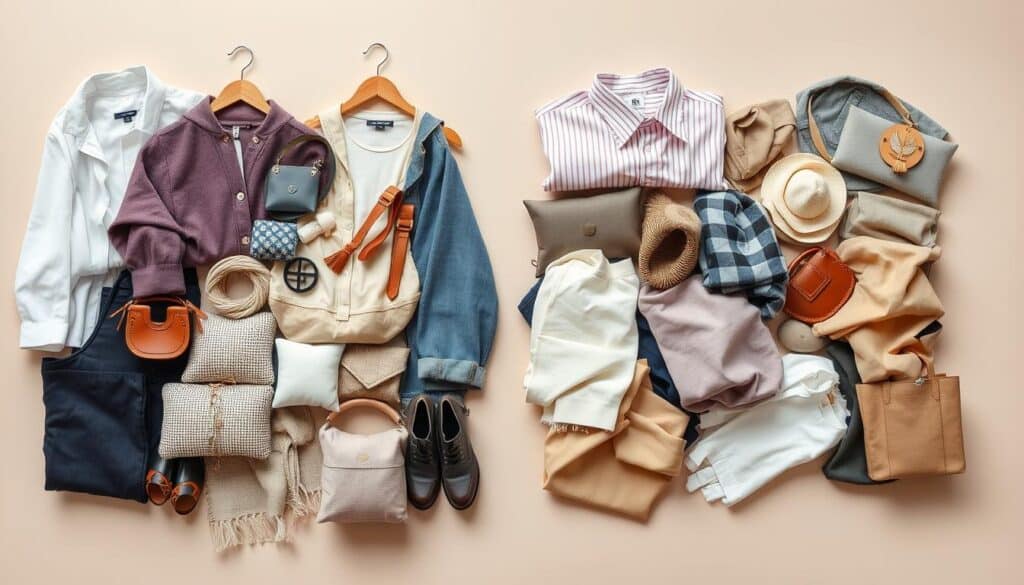
How quality varies across categories
Clothes vary the most in quality. Shein’s basic tees and trendy items are good for short uses. However, their swimwear, shoes, and underwear might not always fit or last as expected. Temu has similar patterns for fashion, but be wary of inconsistent third-party sellers.
Accessories lean towards style rather than long use. Costume jewelry from these sites might lose its shine quickly. For home goods and electronics, Temu shows bigger quality differences. Many home items are from various sellers, leading to unpredictable quality.
Real-world testing and customer review patterns
Tests and reviews reveal much about Shein and Temu. Shein does well with trendy items meant for a season’s wear. People like their affordable tops and dresses for quick needs, but some items may have seam and color issues.
Temu’s reviews vary beyond fashion. Certain home products and budget electronics are seen as good deals. Yet, some listings have problems or even safety concerns early on. When checking reviews, notice if there are common issues reported with size, material, or how electronics work.
Longevity and wearability expectations
Aim for a balance in your fashion choices. For long-lasting pieces, pick high-quality materials and designs from brands you trust. When buying home items, check for good seller ratings and proper product certifications.
- Look at reviews carefully for consistent opinions or repeated issues.
- Pick items with clear info on materials and how they’re made.
- Choose trendy items for now but invest in durable pieces for essentials.
Those comparing Shein and Temu’s quality in garments, accessories, and home goods should think about price, use, and customer feedback. This helps decide which option best fits their needs.
Pricing strategies, promotions, and hidden costs
Both marketplaces offer low prices with lots of deals and offers. Shoppers find flash sales, exclusive app discounts, and special price cuts. These methods help Shein and Temu gain and keep customers by encouraging them to buy more.
Loss-leader pricing and data-driven discounts
Retailers draw customers in with big discounts. They then suggest similar items and limited-time codes to increase spending. They use your shopping history to make these offers feel special and immediate.
Shipping, customs, and return cost considerations
Be aware that low prices might not include extra costs. U.S. shoppers might face long waits and unexpected fees at checkout. Some items could also have import fees or taxes depending on where they come from.
Return policies can vary. You might face restocking charges, return shipping costs, or no prepaid returns. These can lessen your savings. Always read the fine print before making big buys.
Subscription models, coupons, and loyalty tactics
Subscription and loyalty plans ensure regular income for these platforms. They offer perks like free shipping or special deals to regular buyers. Shein and Temu use sign-up bonuses and referral rewards to attract more customers.
Coupons and promo codes from influencers encourage shopping. Shein is well-known for offering coupons through social media and emails. Meanwhile, Temu gives big discounts to first-time users. These strategies are designed to make you shop again quickly.
| Pricing Element | How It Works | What U.S. Shoppers Should Watch For |
|---|---|---|
| Loss-leader pricing | Deep discounts on select items to attract traffic | Low-priced items may have limited sizes or quality; expect upsell prompts |
| Flash sales & targeted codes | Timed offers driven by user data and app behavior | Countdown timers create urgency; compare prices across visits |
| Shipping and delivery | Free or low-cost shipping thresholds, longer transit times | Check estimated arrival and potential customs or import fees |
| Returns and restocking | Varied return windows, possible restocking fees | Confirm who pays return shipping and if refunds exclude original shipping |
| Subscriptions & loyalty | Membership perks like free shipping or exclusive deals | Evaluate whether subscription models save money for your shopping habits |
| Coupons & referral offers | Frequent codes, app-only promotions, and influencer links | Stacking limits may apply; check final price before checkout |
Consumer safety, counterfeits, and product regulation risks
Shopping fast raises real safety questions. Concerns with Shein and Temu include items like earbuds, lotions, and toys. Low prices might hide risks such as poor electronics, mislabeled cosmetics, and unsafe children’s products. Always read product pages and reviews for safety flags and look for any claims of certification before buying.
Risks with low-cost electronics, cosmetics, and kids’ items
Low-cost electronics may lack FCC or UL marks, have poor insulation, or batteries that may overheat. Cosmetics with big discounts might have banned substances, hidden allergens, or incorrect ingredient amounts. Children’s items could be choking hazards, have lead paint, or use unsafe materials.
When checking listings, look for clear certification marks. Avoid vague promises like “meets standards” if no specific agency is mentioned. Products should clearly list ingredients, where they’re made, and how to contact the maker.
How to spot counterfeits and unsafe products
Counterfeit risk is high with brand names at too-good-to-be-true prices. Check the seller’s ratings, look for detailed photos, and read descriptions carefully. Ensure cosmetics list all ingredients, and match electronic items’ serial numbers with the official brand website.
Avoid listings that copy well-known logos or use stock images. Filter searches to show only brand-authorized retailers and read recent reviews for any safety concerns or missing labels.
Recalls, certifications, and reporting bad products
Recalls and certifications are crucial for safety. Use the U.S. Consumer Product Safety Commission database to find active recalls. The FTC can be contacted for deceptive labeling complaints. Keep receipts and photos handy for reporting dangerous products.
To tackle safety issues, use the platform’s complaint channels, file reports with the CPSC or FTC, and consider getting a refund through your credit card if the seller doesn’t help. Always save your chats and screenshots of seller pages for evidence.
| Risk Area | Red Flags | Quick Checks |
|---|---|---|
| Low-cost electronics risks | No FCC/UL marks, poor photos, user reports of overheating | Look for certification logos, test reviews, confirm seller origin |
| Cosmetics and skincare | Missing ingredient list, vague claims, foreign language-only labels | Verify ingredient lists, avoid products with banned substances, read allergies notes |
| Children’s products | Small detachable parts, lead paint reports, no safety age label | Check for CPSIA compliance, read review photos, prefer trusted brands |
| Counterfeit risks | Too-good-to-be-true price, poor logo match, stock images | Confirm seller ratings, search brand-authorized listings, compare serial numbers |
| Recalls and reporting | Repeated safety complaints, platform removal notices, official recall posts | Search CPSC recall database, file FTC complaints, use platform dispute tools |
Is Shein better than Temu: who should you shop with?
Having to choose between Shein and Temu? It really comes down to your needs. Price, delivery speed, fashion, and ethics play big roles. Below, find scenarios to help decide who fits your shopping style best.
Use-case scenarios: style, budget, ethics, and urgency
Looking for the lowest prices on trendy clothes? Shein and Temu both offer this. Shein has the latest fashion, while Temu gives big discounts from various sellers. For special home items or specific brands, the choice between Shein and Temu gets trickier. Since Temu has many sellers, be careful when choosing.
Need something fast? Temu might ship quicker for some items. When saving money is key, even if quality varies, Shein and Temu are good picks. For those focusing on ethics and sustainability, these platforms might not match your values. Look into slower fashion or certified brands instead.
Tips for getting the best value from each platform
To shop smarter on Shein and Temu, follow these tips. Check the seller’s rating and read recent reviews first. Buy one item to test quality before big purchases.
Protect your payments with a credit card or PayPal. Save screenshots of your orders and product pages. Choose sellers with easy returns and clear shipping times. Sizing charts and customer photos can also guide your choices.
Alternatives for shoppers concerned about ethics or quality
If you’re into ethical shopping, consider secondhand stores like ThredUp and Poshmark. They offer savings and less waste. Brands like Everlane and Patagonia are transparent about their supply chains and have long-lasting items.
For those seeking quality, look at mid-level retailers. Uniqlo offers practical clothes, while H&M’s Conscious collection has eco-friendlier options on a budget.
Conclusion
Shein and Temu offer very low prices due to their global supply chains and smart pricing strategies. However, their business models are quite different. Shein controls its process tightly, from making to selling. Temu, on the other hand, uses many third-party sellers. This leads to a wider range of quality and less clarity for customers. This is the main thing shoppers need to think about when comparing Shein to Temu.
Getting an F rating is a big red flag. You may wonder, why does Shein have such a bad rating? It’s because of ongoing issues with customer service, product descriptions, and problems with returns. Temu also faces challenges, mainly due to its reliance on various sellers. This makes its ethics and product quality vary greatly. In the end, it’s hard to say which one, Shein or Temu, is better for buyers who care about the environment or products that last a long time.
Here’s some advice: Choose the platform that fits what you need. If you’re into trying new, cheap trends, both Shein and Temu might be okay. This is true as long as you’re okay with not using them for a long time. If you’re looking for lasting clothes, things for your home, or have strict ethical guidelines, look elsewhere. Consider shopping at Everlane, Pact, or from trusted sellers with clear labels. Always read reviews and check the seller’s track record. Make sure to use payment protection. And always remember to review safety and return policies before deciding if Temu is better than Shein in terms of ethics.
FAQ
Why does Shein have an F rating?
Shein’s F rating comes from high complaint volumes reported to groups like the Better Business Bureau. Customers often have issues with slow refunds, confusing returns, and poor service. Products sometimes don’t match what’s advertised in terms of size, color, or material.
Legal issues and safety concerns also play a part. An F rating shows there’s a risk for shoppers. But, it’s also important to consider the company’s efforts to fix these problems.
Is Temu more ethical than Shein?
It’s hard to say. Temu uses a lot of different sellers, making it tough to keep track of everything. Shein, on the other hand, controls its operations more closely. This doesn’t mean they’re free from criticism.
Both companies claim to follow labor laws. Yet, verifying these claims is difficult due to limited audits. For more ethical options, look for special certifications or brands committed to ethical practices.
Why is Shein so cheap but sometimes good quality?
Shein keeps prices down with quick, smart manufacturing and affordable labor. They also buy materials in bulk and have a streamlined design process. This lets them offer lower prices than many retailers.
Quality can vary. Some products are made well, especially those meant for short use. However, the cheapest items might not be as good. Shein’s marketing also helps make items appear better than they are.
Is Shein better than Temu for quality?
It varies by what you’re buying. Shein is more consistent with fashion items due to its direct control. Temu’s range of sellers means quality can differ greatly. Always read reviews and test with a small purchase first.
How should I interpret an F rating from the BBB or other watchdogs?
See an F rating as a warning. Check what the complaints are about and how the company responds. Also, look at other sources for more information. When buying, use payment options that offer protection.
What specific product risks should U.S. shoppers watch for on these platforms?
Be careful with cheap electronics, cosmetics, and kids’ items. They may lack safety certifications or contain harmful materials. Always check for proper certifications and detailed reviews.
If you suspect a product is unsafe, look it up on the CPSC recall database and report it.
How do shipping, customs, and returns affect the true cost of cheap items?
Hidden fees can cancel out any savings. Consider shipping costs, delivery times, customs taxes, and return fees. Returns and disputes can also add extra costs. Keep these factors in mind when shopping.
Are sustainability claims from Shein or Temu reliable?
Approach these claims with skepticism. While both brands have announced green initiatives, proof is scarce. Fast fashion naturally leads to more waste. Look for hard evidence of environmental responsibility.
How can I spot counterfeits or unsafe listings on Temu or Shein?
Examine seller ratings, reviews, photos, and product details closely. Doubt deals that seem too good to be true. For name brands, check the seller’s authorization. If something seems off, use the platform’s help options.
Who should shop at Shein or Temu, and who should avoid them?
These platforms are good for budget-friendly, trendy items with flexibility on quality. Steer clear if you’re looking for durable goods, electronics, or value transparency. Consider other brands that prioritize ethics or sustainability if those are your main concerns.
What practical tips help get the best value from either platform?
Look at reviews and start with a small order. Choose payment methods that allow disputes. Save all your order info. Opt for sellers with clear return policies and watch out for pressure to buy quickly. Pick retailers with better quality control and returns if a deal seems risky.
Content created with the help of Artificial Intelligence.