This article introduces simple, evidence-informed ways to support skin with whole foods. We focus on natural foods rich in collagen and ingredients that help your body make and maintain collagen. Dietary collagen can support skin elasticity, hydration, and repair when combined with good topical care and healthy habits.
Designed for readers in the United States who care about nutrition and beauty, the guide uses a friendly tone and practical tips. It highlights accessible collagen-rich foods such as bone broth, fish, poultry, red meat, and organ meats, plus cofactors like vitamin C, zinc, copper, sulfur, and omega-3s that boost skin collagen sources.
Ads
The article lays out what collagen does, direct dietary collagen sources, and the difference between eating collagen and eating collagen-boosting nutrients. You’ll also find simple meal ideas, cooking tips to improve bioavailability, and evidence-based notes rooted in registered dietitians’ and dermatology literature.
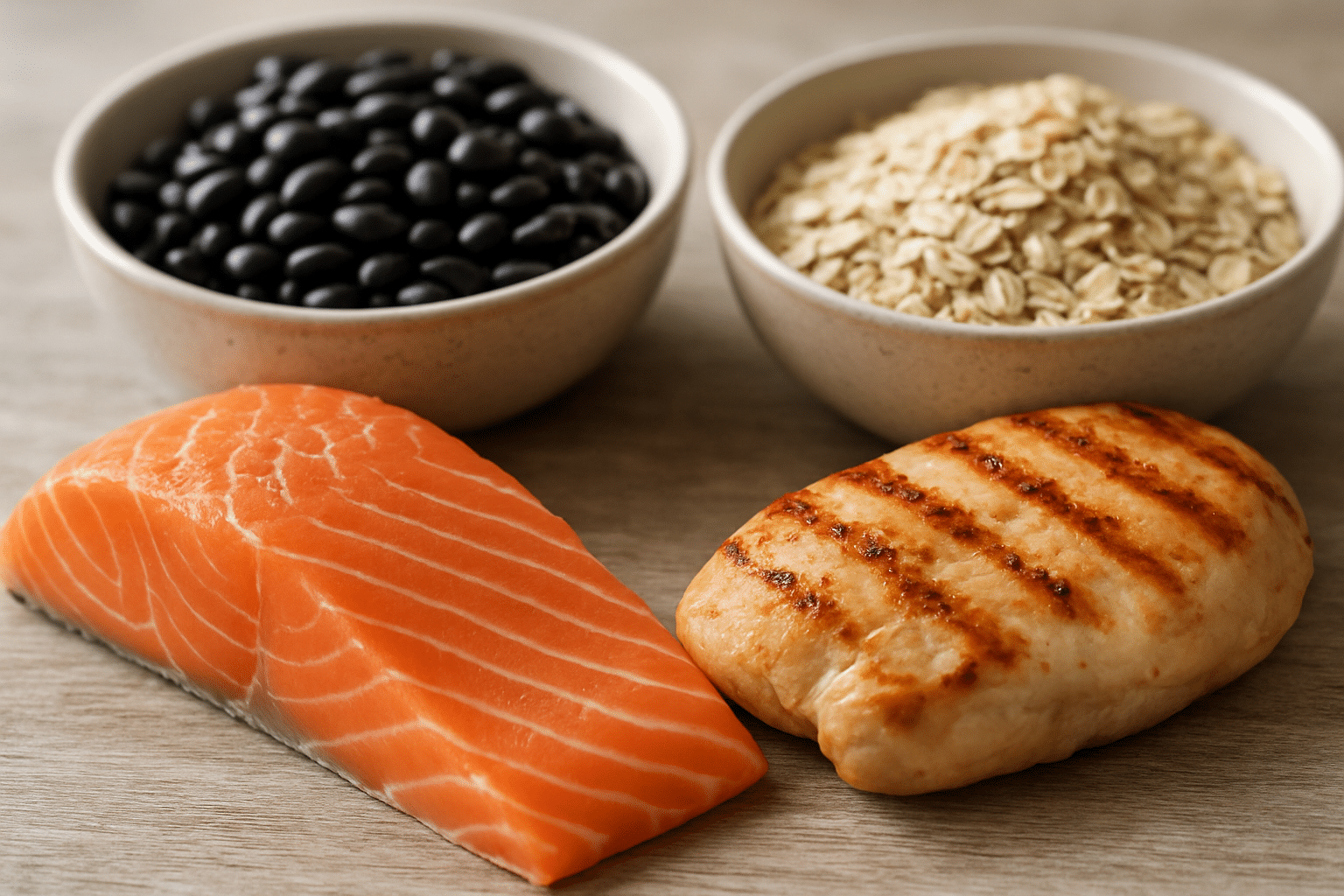
Natural Foods Rich in Collagen
Whole foods are prioritized over supplements, though hydrolyzed collagen peptides and other supplements are mentioned as options for some readers. For personalized medical or dietary advice, consult a healthcare provider before making major changes.
Key Takeaways
- Natural foods rich in collagen and collagen cofactors can support skin health alongside topical care.
- Direct sources include bone broth, fish, poultry, red meat, and organ meats.
- Vitamin C, zinc, copper, sulfur, and omega-3s help the body produce and protect collagen.
- Practical recipes and cooking methods can improve collagen availability from foods.
- Supplements are optional; consult a healthcare provider for individual guidance.
Why Collagen Matters for Skin Health
Collagen is the scaffolding that keeps skin firm and resilient. In the dermis, mainly types I and III form strong fibrils that support blood vessels, hair follicles, and the outer layers of skin. This structural network explains the collagen role in skin and why it matters for overall appearance.
The balance between collagen and elastin sets how skin moves and bounces back. Collagen provides tensile strength while elastin supplies recoil. Good skin elasticity depends on both proteins working well, which reduces wrinkle depth and resists sagging.
Production shifts begin in the late 20s and early 30s. On average, collagen and aging show a gradual decline of about 1% per year. Factors such as menopause, chronic sun exposure, smoking, and high glycemic diets speed the loss. UV-driven enzymes called MMPs break down collagen faster when skin is exposed to sunlight.
Visible signs of low collagen are often the first clues people notice. Fine lines, loss of firmness, a crepey texture, slower wound healing, and increased dryness point to diminished structural support. Lifestyle choices can worsen these signs of low collagen.
Diet supplies the amino acids and cofactors the body needs for collagen synthesis. Vitamin C, zinc, and protein are key. At the same time, sun protection, quitting smoking, and staying hydrated help protect existing collagen and preserve skin elasticity.
Natural foods rich in collagen
Whole foods can supply both collagen and the nutrients your body needs to make more of it. Choosing a mix of direct collagen sources and collagen-boosting foods helps support skin, joints, and connective tissue over time. Small changes to meals make a practical difference when paired with sun protection and good hydration.
Direct dietary collagen sources and how they work
Foods that contain native collagen or gelatin include bone-in cuts, skin-on poultry, fish skin, connective tissues, and gelatin from simmered bones. These foods break down during cooking and digestion into peptides and amino acids such as glycine, proline, and hydroxyproline.
Those amino acids act as raw materials for tissue repair and collagen synthesis. Regularly including bone broth, chicken with skin, or salmon with skin delivers these substrates in ways the body can use.
Difference between consuming collagen and collagen-boosting nutrients
Consuming collagen supplies amino acid substrates and small peptides. Eating collagen-boosting foods supplies cofactors needed by enzymes that convert pro-collagen into mature fibers.
Key cofactors include vitamin C from citrus and bell peppers, zinc and copper from nuts, seeds, and shellfish, and sulfur-containing amino acids from eggs, garlic, and onions. The contrast between collagen vs. collagen boosters is that one provides building blocks while the other supports the biochemical machinery that assembles and protects collagen.
How to incorporate these foods into daily meals
Practical meal strategies make it easy to benefit from dietary collagen benefits without major cooking changes. Add bone broth to soups, stews, and cooked grains for a collagen-rich base.
Plan two to three meals per week with skin-on poultry or fish with skin. Pair protein dishes with citrus or bell peppers to supply vitamin C and improve collagen formation.
Snack on nuts and seeds for zinc and copper. Use eggs, garlic, and onions in simple dishes for sulfur-containing amino acids that support synthesis.
| Food Category | Examples | Primary Collagen Role | Quick Use Ideas |
|---|---|---|---|
| Direct collagen sources | Bone broth, chicken with skin, beef shank, fish skin | Provides gelatin peptides and amino acids (glycine, proline) | Soups, slow-cooked stews, grain bowls, broths for sipping |
| Vitamin C–rich produce | Oranges, strawberries, bell peppers, kiwi | Essential cofactor for collagen-forming enzymes | Salads, salsas, smoothies, citrus dressings |
| Zinc & copper sources | Almonds, pumpkin seeds, oysters | Support cross-linking and enzyme function | Snacks, sprinkled on yogurt or salads, quick appetizers |
| Sulfur-containing foods | Eggs, garlic, onions | Supply sulfur amino acids needed for synthesis | Scrambles, stir-fries, flavor bases for soups |
| Protein-rich complements | Dairy, legumes, lean meats | Provide proline and glycine precursors | Mixed plates combining protein with vitamin C sides |
Bone broth and slow-cooked stocks for collagen

Bone-based stocks offer a simple path to nourishing soups and sauces. Many home cooks prize bone broth collagen for its gelatinous texture and savory depth. A well-made broth delivers amino acids like glycine, proline, and hydroxyproline along with modest minerals that support gut and skin health.
Nutritional profile and collagen content
Gelatin in broth is hydrolyzed collagen that becomes easy to digest. Typical broths supply glycine, proline, small amounts of glucosamine and chondroitin, plus calcium, magnesium, and phosphorus. The richness varies by bone type and cooking time, so homemade batches often yield more collagen from broth than many commercial jars.
Best bones and cooking methods to extract collagen
Choose marrow bones, knuckles, oxtails, necks, or chicken feet to maximize connective tissue and cartilage. Roast bones first for deeper flavor, then add cold water and a splash of apple cider vinegar to help release minerals and proteins.
Simmer low and slow: eight to 24 hours for beef bones and four to 12 hours for poultry extracts the most gelatin. Use a slow cooker or pressure cooker to shorten time without losing yield. Skim foam early, strain well, and chill until a fat cap forms for easy removal.
Recipe ideas and serving suggestions
Keep a jar of warm broth on the counter for sipping, or use it as the base for chicken soup, beef braises, or grain cooking. Substitute broth for water when making rice, risotto, or beans to boost flavor and collagen from broth in everyday meals.
Try a daily cup as a morning ritual or blend broth into a savory latte with turmeric and black pepper. For desserts, refrigerate a gelatin-rich beef or chicken stock and use it to set fruit gels or panna cotta. Control sodium by seasoning at the table and read labels carefully when choosing commercial options.
| Bone Type | Best Use | Typical Cook Time | Collagen Yield |
|---|---|---|---|
| Beef knuckles & oxtails | Rich stock for braises and soups | 12–24 hours | High |
| Marrow bones | Deep flavor, roast first | 12–20 hours | Moderate to high |
| Chicken carcass & feet | Light broth, soups, sipping | 4–12 hours | High |
| Neck & joint bones | Gelatin-rich, great for stews | 8–18 hours | High |
Store broth in the fridge for up to 4–5 days or freeze portions for months. Homemade batches let you control the ingredients and maximize collagen from broth. If you want to try how to make bone broth, start with a simple roast, long simmer, and gentle skimming for clear, nourishing results.
Fish and seafood: marine collagen benefits
Seafood offers a direct way to add collagen-rich foods to your meals while giving your skin extra nutrients. Fish skin, scales, and connective tissue contain Type I collagen, the same kind that keeps human skin firm. Eating a mix of seafood for skin health can deliver collagen plus omega-3s, vitamin D, selenium, and high-quality protein.
Types of fish highest in collagen
Cold-water species such as salmon, cod, and pollock have abundant connective tissue and skin that are high in fish collagen. Shellfish like shrimp and crab contribute collagen peptides from their shells and connective parts. Salmon skin collagen is especially rich in Type I collagen, which matches the collagen found in human dermal layers.
Absorption advantages of marine collagen peptides
Hydrolyzed marine collagen peptides tend to be smaller than bovine forms. This lower molecular weight may make fish collagen easier for the gut to absorb. Clinical studies on marine collagen show improved skin hydration and elasticity with supplements. Whole-food evidence is less extensive but biologically plausible when you combine collagen-rich parts with vitamin C–rich produce.
Simple seafood recipes for skin health
Choose cooking methods that preserve skin and connective tissue. Pan-sear salmon with the skin crisped, roast cod with lemon and bell peppers, or simmer fish heads and frames into a nourishing fish stock. Grill shrimp and top with a citrus salsa to pair collagen sources with vitamin C for better collagen support.
Sustainability and safety matter. Pick low-mercury options and follow Seafood Watch guidance when possible. Cook shellfish thoroughly to reduce foodborne risk and enjoy the full benefits of marine collagen in a safe, tasty way.
Poultry and eggs: accessible collagen sources
Chicken and eggs are pantry staples that offer practical ways to support skin health. Poultry collagen appears in skin, joints, and connective tissue, which break down into gelatin during slow cooking. Eggs bring high-quality protein and sulfur-containing amino acids that help the body build and stabilize collagen.
Chicken skin and connective tissue explained
Chicken skin, dark meat, and joint tissues contain higher amounts of collagen than lean white meat. When you simmer whole birds, carcasses, or bone-in thighs, collagen and gelatin release into the broth. That broth can be used in soups, stews, and sauces to deliver poultry collagen in a tasty, usable form.
Egg whites, sulfur-containing amino acids, and collagen synthesis
Egg whites and yolks supply complete proteins rich in methionine and cysteine. These sulfur amino acids skin needs are essential for collagen synthesis and cross-linking. Using eggs for collagen support is simple: they’re affordable, versatile, and available across the United States.
Quick meal ideas using poultry and eggs
Combine protein-rich poultry or eggs with vitamin C foods like bell peppers and citrus to aid enzymatic collagen formation. Try braised bone-in chicken thighs with roasted vegetables, crisped chicken skin added to a green salad, soft-scrambled eggs with spinach and red pepper, or grain bowls topped with shredded rotisserie chicken and a citrus dressing.
Keep food safety in mind: trim excess fat if you prefer, cook at moderate heat to protect nutrients, and refrigerate or reheat poultry properly to reduce risk of foodborne illness.
| Ingredient | Collagen or Cofactor | Best Preparation |
|---|---|---|
| Chicken skin and carcass | poultry collagen; gelatin-rich | Slow-simmer broth or braise bone-in pieces |
| Dark chicken meat | Higher connective tissue and collagen | Slow-cook, braise, or confit to tenderize |
| Eggs (whites and yolks) | High-quality protein; sulfur amino acids skin needs | Soft-scramble, omelet, poached, or hard-boiled |
| Rotisserie chicken | Convenient source of poultry collagen | Shred into salads, soups, or grain bowls |
| Chicken broth from bones | Concentrated collagen and gelatin | Use as base for soups, sauces, or sipping broth |
Red meat and organ meats for collagen and nutrients
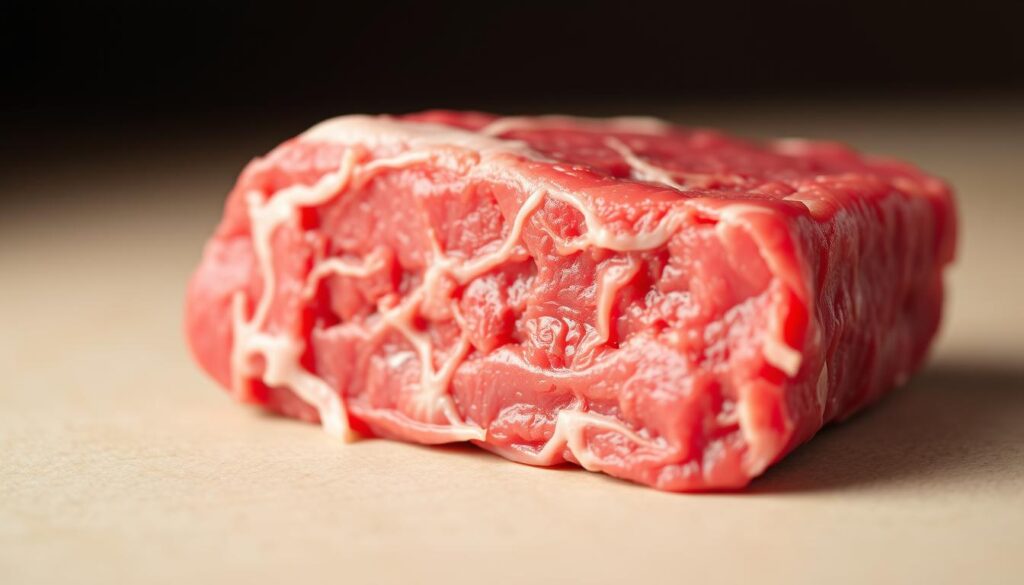
Rich cuts and offal offer practical ways to support skin and overall health. Tough beef cuts such as brisket, chuck, shank, and oxtail contain connective tissue that turns into gelatin when cooked low and slow. These preparations release collagen peptides and amino acids that the body can use for repair and resilience.
Collagen in beef cuts and slow-cooked preparations
Slow braises, stews, and bone-in roasts coax collagen out of tough fibers. Using a crockpot or a low oven for several hours yields tender meat and a broth rich in slow-cooked collagen. Pressure cooking speeds the process while preserving nutrients and flavor.
Organ meats: nutrient density and collagen-supporting vitamins
Liver, heart, and kidney are nutrient powerhouses. Liver supplies concentrated liver vitamins like A and abundant B12. Heart provides connective tissue and structural proteins. These organ meats deliver copper, zinc, and iron that act as cofactors in collagen production.
How to prepare organ meats in an approachable way
Mix ground liver into burgers or meatballs to mellow flavor while boosting nutrient density. Make a beef heart stew with robust herbs and vegetables for texture and taste. For a spreadable option, blend cooked liver into a smooth pâté and serve on whole-grain toast.
Choose responsibly sourced options when possible. Grass-fed or pasture-raised beef often has a different nutrient profile. Limit liver to moderate portions, such as once weekly, because of its high vitamin A. If you prefer less red meat, balance meals with fish and poultry to meet collagen and nutrient goals while following dietary guidelines for saturated fat and red meat intake.
Citrus fruits and vitamin C rich foods to support collagen production
Vitamin C plays a direct role in forming and stabilizing collagen. It works as a cofactor for enzymes that cross-link collagen fibers and serves as an antioxidant to shield new collagen from oxidative stress. Pairing vitamin C–rich produce with collagen-containing meals supports synthesis and helps your skin make the most of dietary collagen.
Why vitamin C matters for building strong collagen
Vitamin C is essential for the enzymes prolyl and lysyl hydroxylase to function. These enzymes add hydroxyl groups that stabilize collagen’s triple helix. Without enough vitamin C, collagen is weaker and more prone to damage.
Vitamin C skin benefits include improved wound healing and reduced oxidative damage to collagen. The vitamin’s antioxidant action limits free-radical harm that would otherwise break down structural proteins in skin.
Top citrus and non-citrus vitamin C options
Not all vitamin C sources are citrus. Oranges, grapefruit, lemons, and limes are classic citrus for collagen support. Non-citrus picks include red and yellow bell peppers, kiwi, strawberries, papaya, pineapple, Brussels sprouts, and broccoli.
| Food | Typical serving | Approx. Vitamin C (mg) |
|---|---|---|
| Orange (medium) | 1 fruit | 70 |
| Red bell pepper | 1 cup, sliced | 190 |
| Kiwi | 1 medium | 71 |
| Strawberries | 1 cup, halves | 89 |
| Broccoli | 1 cup, cooked | 102 |
| Papaya | 1 cup, cubes | 88 |
Snack and recipe ideas that pair vitamin C with collagen foods
Squeeze lemon or lime over grilled salmon or baked cod to boost vitamin C collagen synergy. Add orange segments and sliced red bell pepper to shredded rotisserie chicken for a simple salad that supports synthesis.
Try a strawberry-citrus smoothie with plain yogurt and a scoop of collagen powder for a quick snack. Make a bell pepper and citrus slaw to serve alongside bone broth–based soups. A fruit bowl of kiwi, papaya, and orange with a handful of mixed nuts makes a portable option that combines foods high in vitamin C with collagen-supporting fats and minerals.
Vitamin C is water-soluble and excess is excreted, so most people can meet recommended intakes—75 mg/day for adult women and 90 mg/day for adult men—through whole foods without supplements.
Nuts, seeds, and healthy fats that support skin collagen
Small dietary shifts can protect collagen and keep skin resilient. Focus on whole-food sources of healthy fats and micronutrients that reduce inflammation, support collagen formation, and help maintain a strong skin barrier.
Omega-3 fatty acids cut inflammation that accelerates collagen breakdown. Flaxseed, chia, and walnuts supply plant-based omega-3s while fatty fish like salmon offer marine options for omega-3 collagen support. Those fats help cell membranes stay intact, which keeps the skin barrier healthy.
Nuts and seeds deliver key cofactors for collagen. Pumpkin seeds are rich in zinc, sesame seeds provide copper, almonds add vitamin E, and sunflower seeds bring selenium. These minerals and antioxidants protect collagen from oxidative damage and help enzymes build and strengthen collagen fibers.
Vegetarian and vegan meal planning can match animal sources by combining protein-rich plants. Pair legumes with seeds to improve amino acid balance and boost glycine and proline intake. Ensuring vitamin C alongside these combinations supports the body’s collagen synthesis process.
Practical additions keep portions sensible and calories in check. Try a tablespoon of ground flax or chia on yogurt, two tablespoons of mixed seeds on salads, a quarter cup of chopped walnuts in oatmeal, or a tablespoon of almond butter in smoothies. A palm-sized handful of nuts per day is a simple guideline.
Below is a quick reference to compare common options, nutrients they provide, and simple ways to use them in meals.
| Food | Key nutrients | Skin benefit | Easy uses |
|---|---|---|---|
| Flaxseed | ALA omega-3, fiber, lignans | Omega-3 collagen support; lowers inflammation | Grind into smoothies, sprinkle on cereal |
| Chia seeds | ALA omega-3, calcium, magnesium | Supports cell membranes and hydration | Soak for pudding, add to yogurt |
| Walnuts | Omega-3, vitamin E, healthy fats skin | Anti-inflammatory; protects collagen | Chop into oatmeal or salads; pesto base |
| Pumpkin seeds | Zinc, iron, healthy fats skin | Essential for collagen synthesis and repair | Toast for snacks or salad topping |
| Sesame seeds | Copper, calcium, healthy fats | Copper aids collagen cross-linking | Sprinkle on stir-fries; tahini in dressings |
| Almonds | Vitamin E, magnesium, monounsaturated fat | Antioxidant protection for collagen | Snack raw, blend in smoothies |
| Sunflower seeds | Selenium, vitamin E, zinc | Protects against oxidative stress | Mix into trail mix or yogurt |
Leafy greens and colorful vegetables as collagen cofactors
Leafy greens and bright vegetables supply key nutrients that help keep skin firm and resilient. Eating a mix of raw and cooked produce boosts nutrient variety and keeps meals interesting. Use simple swaps like adding spinach to smoothies or roasting carrots for a nutrient-rich side.
Phytonutrients and antioxidants that protect collagen
Flavonoids and carotenoids in vegetables act as scavengers of free radicals. These antioxidants collagen protection effects lower the pace of collagen breakdown. Examples include lutein in kale and zeaxanthin in spinach.
Vegetables rich in vitamin A, K, and other supportive nutrients
Sweet potatoes, carrots, and red peppers are excellent sources of vitamin A for skin. Dark leafy greens like Swiss chard and kale supply vitamin K, folate, and potassium for repair and circulation. Broccoli and Brussels sprouts add vitamin C plus sulfur compounds that support collagen synthesis.
Salad and cooked vegetable ideas to maximize benefits
Combine mixed greens with sliced bell peppers and a citrus vinaigrette for a vitamin-C boost that pairs well with grilled salmon. Roast a medley of carrots, sweet potatoes, and beets with thyme and olive oil to increase carotenoid absorption. Sauté spinach briefly with garlic and lemon, then serve alongside bone-broth braised meats to balance raw and cooked textures.
For best results, drizzle healthy fats such as olive oil or avocado to aid fat-soluble nutrient uptake. Light cooking improves carotenoid bioavailability while short cooking retains vitamin C. Regularly rotating vegetables keeps meals flavorful and supports long-term skin health by supplying a steady stream of vegetables for collagen and cofactors like vitamin A for skin.
Collagen-boosting herbs and spices
Herbs and spices can play a quiet but powerful role in protecting collagen and promoting skin health. Using the right flavors in broths, salads, marinades, and dressings adds antioxidant and anti-inflammatory compounds that slow collagen breakdown and help nutrient delivery to skin cells.
Herbs that reduce inflammation and protect skin collagen
Turmeric contains curcumin, a compound shown to lower inflammation and oxidative stress that damage collagen. Rosemary offers carnosic and rosmarinic acids with antioxidant effects that shield connective tissue. Green tea delivers catechins that protect collagen from free radical attack. These herbs for collagen are best used in cooking rather than as high-dose supplements for general safety.
Spices known to support skin health and circulation
Ginger helps circulation and eases inflammation, improving nutrient flow to skin. Cinnamon provides antioxidants and may support microcirculation, aiding skin repair and tone. Black pepper pairs well with turmeric by boosting curcumin absorption. Including spices for skin health in daily meals enhances both flavor and function.
Ways to season dishes to enhance collagen-supporting effects
Add turmeric to bone broth soups, chicken stews, or golden milk to gently increase anti-inflammatory benefits. Sprinkle fresh rosemary on roasted vegetables and meats to preserve its active compounds. Brew green tea with meals or add matcha to smoothies for continuous antioxidant support. Make citrus vinaigrettes with rosemary and garlic to combine vitamin C cofactors and seasoning for collagen in one bite.
Use fresh herbs for cold dishes and salads; use dried or sautéed herbs for long-simmered stocks. Keep portions moderate and avoid high-dose supplements without medical advice, since potent herbal extracts can interact with medications.
| Herb or Spice | Main Benefit for Skin | Best Culinary Uses |
|---|---|---|
| Turmeric (curcumin) | Reduces inflammation, antioxidant protection for collagen | Bone broths, golden milk, marinades; pair with black pepper |
| Rosemary | Antioxidant support, protects connective tissue | Roasted vegetables, rubs for poultry and beef, infused oils |
| Green tea (Camellia sinensis) | Catechins that guard collagen from oxidative damage | Brewed tea with meals, matcha in smoothies and dressings |
| Ginger | Improves circulation, anti-inflammatory effects | Soups, stir-fries, dressings, teas |
| Cinnamon | Antioxidant properties, may support microcirculation | Seasoning for oats, roasted fruits, spice rubs |
| Black pepper | Enhances nutrient absorption, notably curcumin | Any savory dish, marinades, finishing spice |
Conclusion
This skin nutrition summary highlights that the best foods for collagen are a mix of direct sources and supportive nutrients. Bone broth, fish skin, poultry skin, and slow-cooked red meat supply collagen and gelatin, while vitamin C, zinc, copper, sulfur amino acids, and omega-3s help the body build collagen naturally. A balanced dietary collagen plan blends both approaches for stronger, more resilient skin over time.
Use a simple checklist to turn information into action: enjoy a cup of broth occasionally, eat fatty fish like salmon twice a week, pair proteins with vitamin C–rich produce such as oranges or bell peppers, add a daily handful of nuts and seeds, and season meals with anti-inflammatory herbs like turmeric and rosemary. These small steps make a dietary collagen plan practical and sustainable.
Remember that food is one part of skin care. Sun protection, avoiding tobacco, getting enough sleep, and gentle topical care all preserve collagen and improve results. Try the sample meal ideas in this article, consult a registered dietitian or dermatologist for tailored guidance, and choose high-quality, sustainably produced ingredients. Gradual changes add up—build collagen naturally with consistent, realistic habits.
FAQ
What role does collagen play in skin health?
Collagen is the main structural protein in the dermis that provides tensile strength and a scaffold for skin, hair follicles, and blood vessels. Types I and III are the most abundant in skin and help maintain firmness, elasticity, and resilience. Healthy collagen supports smoother texture, less sagging, and better wound repair.
Can dietary choices really affect collagen levels in the skin?
Yes. Diet supplies the amino acids (glycine, proline, hydroxyproline) and cofactors (vitamin C, zinc, copper, sulfur-containing amino acids, and omega-3s) needed for collagen synthesis. Eating collagen-containing foods like bone broth, fish skin, and slow-cooked meats plus vitamin C–rich produce and micronutrient sources supports the body’s ability to build and protect collagen. Results take time and work best combined with sun protection and healthy lifestyle habits.
What natural foods contain collagen or gelatin?
Foods with native collagen or gelatin include bone-in cuts and joints (beef shank, oxtail, knuckles), skin-on poultry, fish skin and frames, and simmered bones used to make bone broth. These release collagen peptides and gelatin when cooked slowly, providing substrate amino acids for repair and maintenance.
How are collagen-boosting nutrients different from eating collagen directly?
Consuming collagen supplies peptide fragments and amino acids used as building blocks. Collagen-boosting nutrients—like vitamin C, zinc, and copper—support enzymatic processes (prolyl and lysyl hydroxylases) that convert procollagen into mature, cross-linked collagen and protect it from oxidative damage. Both approaches complement one another.
Is bone broth a reliable source of collagen and how should I make it?
Bone broth contains gelatin (hydrolyzed collagen), glycine, proline, and trace minerals. To maximize collagen extraction use marrow and joint-rich bones (knuckles, oxtail, chicken feet), add a splash of vinegar, roast bones for flavor, and simmer low and slow—8–24 hours for beef, 4–12 hours for poultry. Pressure cookers and slow cookers work well too. Strain, cool, and store safely in the fridge or freezer.
Are marine sources better than land-animal collagen?
Marine collagen (from fish skin and scales) is rich in Type I collagen and often hydrolyzed into lower–molecular-weight peptides, which can improve absorption. Fish also supplies anti-inflammatory omega-3s, vitamin D, and selenium. Choose low-mercury, sustainable options like salmon and cod and preserve fish skin in cooking to retain collagen benefits.
How can poultry and eggs support collagen production?
Chicken skin and slow-cooked poultry joints release collagen and gelatin. Eggs provide high-quality protein and sulfur-containing amino acids (methionine, cysteine) necessary for collagen synthesis and cross-linking. Pairing chicken or eggs with vitamin C–rich vegetables enhances enzymatic collagen formation.
Should I eat red meat or organ meats for collagen and nutrients?
Tough beef cuts (brisket, chuck, shank, oxtail) convert collagen to gelatin when slow-cooked. Organ meats—liver, heart, kidney—are nutrient-dense sources of B vitamins, copper, zinc, and iron that support collagen synthesis. Consume organ meats in moderation and source from reputable producers when possible.
Which fruits and vegetables best support collagen synthesis?
Vitamin C–rich choices like oranges, lemons, kiwi, strawberries, and bell peppers are essential cofactors for collagen-forming enzymes. Leafy greens and colorful vegetables (spinach, kale, carrots, sweet potatoes, broccoli) supply antioxidants, vitamin A precursors, vitamin K, and phytonutrients that protect collagen from oxidative damage.
How do nuts, seeds, and healthy fats help collagen maintenance?
Omega-3 fats (from salmon, walnuts, flaxseed) reduce inflammation that accelerates collagen breakdown. Nuts and seeds—pumpkin seeds for zinc, sesame for copper, almonds for vitamin E—supply micronutrients and antioxidants that support synthesis and protect collagen integrity. Use them as snacks or toppings to add nutrient density.
Are herbs and spices useful for protecting collagen?
Yes. Anti-inflammatory herbs and spices like turmeric (curcumin), rosemary, ginger, and green tea polyphenols reduce oxidative stress and inflammation that degrade collagen. Use turmeric in broths and golden milk, add rosemary to roasts, and enjoy green tea regularly. Culinary use is preferred over high-dose supplements unless advised by a clinician.
How should I combine foods at meals to get the best collagen benefit?
Combine collagen sources (bone broth, fish with skin, poultry, slow-cooked meats) with vitamin C–rich produce in the same meal to support enzymatic formation. Add nuts or seeds for zinc and copper, include healthy fats to aid absorption of fat-soluble nutrients, and use anti-inflammatory herbs and spices. Simple pairings: pan-seared salmon with lemon and peppers, chicken bone broth soup with citrus salad, or beef stew with a side of roasted Brussels sprouts.
Can plant-based eaters support collagen without animal collagen?
Yes. While plants don’t provide collagen, a diet rich in vitamin C, zinc, copper, sulfur-containing foods (garlic, onions, eggs for lacto-ovo vegetarians), and complementary proteins (legumes + seeds) supplies amino acids and cofactors needed for the body’s own collagen production. Emphasize variety and consider consulting a dietitian to meet needs.
How long does it take to see skin improvements from dietary changes?
Skin remodeling is gradual. Many dietary changes may take several weeks to months to show visible effects, depending on starting skin condition and other factors like sun exposure, smoking, sleep, and skincare. Consistency with a balanced intake of collagen-containing foods and supportive nutrients plus sun protection yields the best results over time.
Are collagen supplements necessary if I eat these foods?
Supplements like hydrolyzed collagen peptides can be a convenient option for some people, but they’re not required if your diet regularly includes collagen-rich foods and cofactors. Whole-food strategies deliver broader nutrient variety. Discuss supplements with a healthcare provider if you have specific goals or dietary limits.
Any food safety or sourcing tips for maximizing benefits?
Choose fresh, sustainably sourced seafood; opt for grass-fed or well-raised meats when possible; refrigerate broth and cooked meats promptly and use within recommended storage times; and control sodium with commercial broths. For organ meats, eat in moderation due to concentrated vitamin A and consult a provider if pregnant or with health conditions.
Content created with the help of Artificial Intelligence.