Does your diet already include natural collagen sources?
Sipping the right brew can do more than warm you up. For many Americans, natural teas to improve skin offer an easy, low-cost way to support skin from the inside out. This article will show how teas for skin health fit into a balanced routine. Think of them as skin-nourishing beverages that complement cleansing, sunscreen, and healthy sleep—not miracle cures.
By “Natural teas to improve skin” we mean brewed infusions and concentrates made from Camellia sinensis (like green and white tea) and herbal plants such as chamomile, rooibos, and hibiscus. The scope here covers science-based benefits, traditional uses, practical brewing and consumption tips, safety notes, and easy DIY recipes.
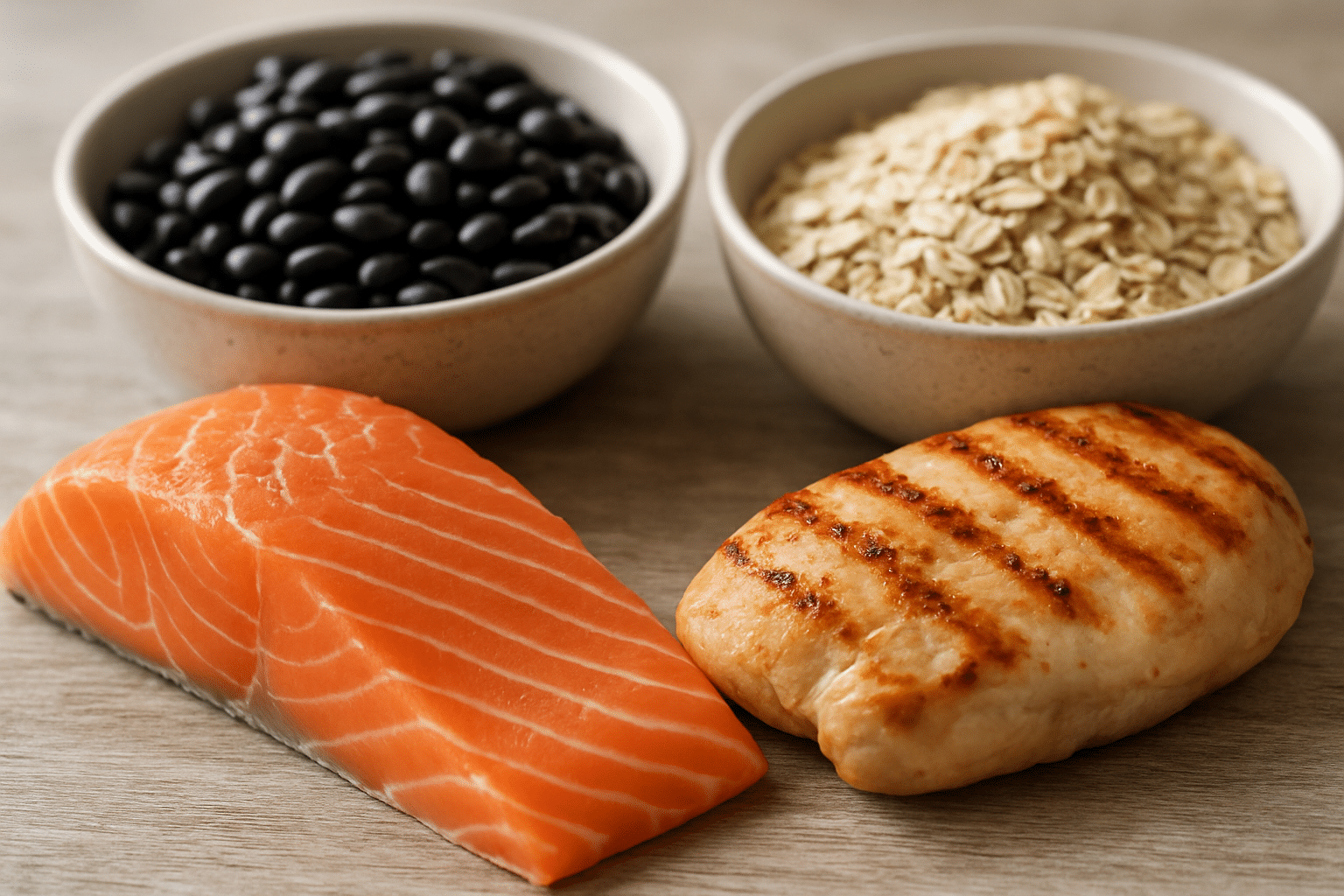
Natural Foods Rich in Collagen
Research on tea polyphenols like EGCG and on herbal nutrients has increased in recent years. Many Americans already drink tea daily, so adding targeted teas for a glowing complexion is accessible and simple. Expect clear guidance on which teas to try, how to brew them for maximum benefit, who should avoid certain herbs, and when to consult a healthcare professional.
Key Takeaways
- Natural teas to improve skin are complementary to topical skincare, not replacements.
- Tea types include green, white, chamomile, rooibos, hibiscus, and targeted herbal blends.
- Polyphenols and anti-inflammatory compounds in tea can support a glow with tea habits.
- Practical brewing tips and daily intakes help maximize benefits safely.
- Consult a clinician if you have health conditions, take medications, or are pregnant.
Why Choose Natural Teas for Skin Health
Natural teas bring a mix of plant compounds that support skin from the inside out. Drinking the right blends delivers key nutrients and bioactive molecules that work with topical care to calm redness, shield cells, and help preserve a healthy texture.
Overview of tea compounds that benefit skin
Tea types contain distinct tea compounds for skin such as polyphenols, catechins like EGCG in green tea, flavonoids and tannins, plus anthocyanins in hibiscus and aspalathin in rooibos. Vitamins C and A, with trace minerals like zinc and selenium, add nutritional support. These compounds combine to offer antioxidant activity, gentle astringency, and nutrients that feed dermal processes.
How antioxidants and anti-inflammatory properties support complexion
Antioxidants in tea neutralize free radicals that speed aging. By lowering oxidative stress, these molecules help protect collagen and elastin from breakdown. Some tea compounds inhibit matrix metalloproteinases, which preserves dermal structure.
Anti-inflammatory teas reduce cytokine-driven swelling and redness. That effect helps calm acne flares and reactive rosacea. The same compounds can soothe irritation after sun exposure or shaving.
Comparing internal skincare vs topical approaches
Drinking tea offers systemic benefits: antioxidant load, hydration, and effects on the gut-skin axis. Herbs and fibers can shift the microbiome in ways that influence inflammation and sebum regulation. This internal route supports long-term skin resilience.
Topical applications deliver concentrated actives to a focused area. Compresses, masks, and serums with tea extracts soothe, tone, and give immediate cosmetic benefit. Used together, internal skincare vs topical methods create synergy: one builds underlying health, the other treats surface concerns quickly.
Natural teas to improve skin
People who search for natural teas to improve skin are usually looking for clear, practical guidance. They want to know which teas work, how to brew or take them, what results to expect, and whether they are safe. Some seek anti-aging effects, some need anti-acne support, and others look for gentle soothing blends for sensitive skin.
Defining the search intent
Queries often mix product discovery with health questions. A user may ask for the best skin teas, safe daily amounts, or how a specific compound like EGCG or apigenin helps the skin. Answering these queries means offering actionable picks, brief science notes, and simple brewing tips.
How to evaluate skin teas
Start by checking ingredient lists. Prioritize teas with documented antioxidants such as EGCG in green tea or aspalathin in rooibos. Look for anti-inflammatory flavonoids like apigenin in chamomile. Hibiscus stands out for natural AHAs and vitamin C. Always check for added flavors, sweeteners, or fillers that dilute benefits.
Choose organic or trusted brands to reduce pesticide risk. Brands like Traditional Medicinals, Rishi, and Numi often test for quality. Note caffeine content when selecting bedtime or sensitive-skin blends. Use short labels and single-ingredient bags when possible to make it easy to evaluate skin teas before purchase.
Evidence vs. tradition
Research varies by plant. Randomized trials and observational studies provide the strongest support. Green tea has human studies linking consumption to reduced photoaging and lower inflammation. Rooibos and hibiscus have lab and small clinical studies showing antioxidant and brightening potential.
Herbs such as chamomile and calendula carry long histories in Western and Ayurvedic herbalism. Clinical data exist for soothing and wound-care uses, yet many traditional claims still need larger trials. Use evidence vs tradition as a filter: favor consistent findings and plausible mechanisms, but respect time-tested uses when safety is documented.
Practical checklist
- Identify active compounds: EGCG, apigenin, aspalathin, vitamin C, AHAs.
- Read labels for purity, additives, and caffeine.
- Prefer organic or reputable brands to lower contamination risk.
- Match tea choice to skin goals: anti-aging, acne control, or soothing.
- Look for multiple studies or consistent clinical reports before trusting a single source.
| Tea | Key actives | Primary skin goal | Evidence level |
|---|---|---|---|
| Green tea | EGCG, catechins | Anti-aging, anti-inflammatory | Strong: trials and observational studies |
| Rooibos | Aspalathin, antioxidants | Brightening, antioxidant support | Moderate: lab work and small human studies |
| Hibiscus | Vitamin C, natural AHAs | Exfoliation, tone improvement | Moderate: biochemical studies and pilot trials |
| Chamomile | Apigenin, azulene | Soothing, redness reduction | Moderate: traditional use with clinical support |
| Calendula | Flavonoids, triterpenoids | Skin repair, calming irritation | Moderate: clinical studies for topical and soothing use |
Green tea: a top pick for clear, youthful skin
Green tea blends science and ritual in one cup. Its mix of catechins, L-theanine, trace vitamin C, zinc and manganese gives it a unique profile for skin health. People reach for green tea for skin when they want antioxidant protection with daily simplicity.
Key active components and their effects on collagen and aging
Epigallocatechin gallate (EGCG) is the standout catechin. EGCG skin benefits come from antioxidant, anti-inflammatory, and antimicrobial actions. Lab studies show EGCG can inhibit matrix metalloproteinases that break down collagen and support fibroblast activity linked to green tea collagen maintenance.
Small amounts of vitamin C help stabilize collagen formation. L-theanine calms stress responses that can worsen inflammation. Trace minerals like zinc support wound repair and barrier function.
Studies linking green tea consumption to improved skin
Clinical and observational work finds regular green tea intake and topical extracts reduce UV-induced damage and help preserve elasticity. Trials report modest drops in sebum production for acne-prone skin and fewer sunburn markers after green tea use.
Major reviews note consistent protective effects against photoaging and modest acne improvements when internal and topical approaches are combined. Brands such as Kiehl’s and La Roche-Posay offer green tea serums with measured polyphenol concentrations that complement drinking tea.
Practical brewing tips and recommended daily intake
To protect catechins and avoid bitterness, steep loose-leaf green tea at 160–180°F (70–80°C) for 2–3 minutes. For matcha, whisk 1/2–1 tsp per cup. Decaffeinated green tea works well in the evening.
Experts commonly suggest 2–3 cups as a balanced intake for skin benefits. Readers asking how much green tea daily should consider caffeine sensitivity. Typical cups contain about 40–70 mg caffeine depending on strength, so adjust timing and choice of decaf if needed.
Chamomile and calendula for soothing sensitive skin
Gentle herbs like chamomile and calendula calm irritation and support healing. Their mild actions make them useful for sensitive complexions, seasonal flares, and post-procedure redness when used with clinician guidance.
Anti-inflammatory and calming actions
Chamomile contains apigenin and bisabolol, compounds with anti-inflammatory, antioxidant, and mild antiseptic effects. Calendula supplies triterpenoids, flavonoids, and carotenoids that help tissue repair and lower inflammation. These mechanisms explain why chamomile for skin and calendula skin benefits appear in clinical discussions.
Uses for redness, irritation, and sleep-related skin repair
Both herbs are used for eczema flares, minor dermatitis, and soothing post-treatment redness. A tea compress for redness can reduce visible inflammation when applied gently for 10–15 minutes.
Drinking a calming herbal tea in the evening may improve sleep quality and support nocturnal skin repair. Clinical trials report lower inflammatory markers with chamomile and faster healing with calendula in selected studies.
How to prepare gentle infusions and compresses
To make an infusion, steep 1–2 teaspoons of dried flowers per cup in boiling water for 5–10 minutes, then strain and allow to cool. For a tea compress for redness, soak a clean cloth in the cooled infusion and apply to the affected area for 10–15 minutes. Patch-test first and avoid added fragrance if skin is reactive.
For internal use, 1–3 cups daily in the evening combines calming effects with sleep support. People with ragweed or Asteraceae allergies should use caution. Trusted brands like Traditional Medicinals offer chamomile blends formulated for sensitive users.
| Herb | Key constituents | Typical topical use | Typical internal use |
|---|---|---|---|
| Chamomile | Apigenin, bisabolol, flavonoids | Compress for redness, soothe dermatitis | Evening calming herbal tea; 1–3 cups/day |
| Calendula | Triterpenoids, flavonoids, carotenoids | Accelerate minor wound healing, reduce inflammation | Gentle infusion to support skin repair and hydration |
| Practical tip | Steep 5–10 minutes; cool before use | Tear-free compress for 10–15 minutes; patch-test | Avoid fragrance; consult clinician after procedures |
Rooibos and hibiscus for brightening and antioxidant support
Both rooibos and hibiscus deliver skin-supporting nutrients you can enjoy as a daily brew. Rooibos brings unique antioxidants like aspalathin and nothofagin that help neutralize oxidative stress. Hibiscus offers vitamin C, citric and malic acids, plus anthocyanins that give it a vivid color and astringent lift.
Vitamin and mineral profile that supports skin tone
Rooibos skin benefits come from flavonoids and trace minerals such as zinc and calcium that play roles in repair and barrier health. Hibiscus contributes vitamin C and anthocyanins to support even tone and resilience. Drinking a mix of the two provides a balance of antioxidants and micronutrients that help protect skin from daily environmental stress.
How hibiscus can act as a natural alpha hydroxy acid
Hibiscus contains natural organic acids, like citric and malic acid, which laboratory studies show can act similarly to alpha hydroxy acids. At higher concentrations and controlled pH, hibiscus extracts encourage gentle cell turnover and brightening when applied topically. Drinking hibiscus gives antioxidant and vitamin benefits systemically, yet topical AHA-like effects require stronger, formulated extracts and careful use to avoid irritation.
Flavor pairings and cold-brew methods for maximum benefit
Rooibos is caffeine-free and pairs well with vanilla, cinnamon, or citrus for a smooth, comforting cup. Hibiscus makes a tangy iced tea rich in vitamin C. For a bright, less astringent infusion, try cold-brew hibiscus for 6–12 hours in glass or stainless containers so the anthocyanins stay vibrant and staining is reduced.
Try a simple blend: one part dried hibiscus to two parts rooibos, cold-brewed overnight then strained. Aim for 1–3 cups daily to enjoy rooibos skin benefits and hibiscus for brightening in a tasty, hydrating ritual. Be mindful that heavy hibiscus consumption can stain fabrics and teeth; use care with bottles and cups.
Matcha and white tea: concentrated antioxidants for anti-aging
Matcha delivers a concentrated dose of antioxidants because you consume the whole leaf. White tea offers a delicate antioxidant profile from young buds and minimal processing. Both teas support skin health, yet their uses and strengths differ.
Differences in processing and potency
Matcha is stone-ground powdered green tea made to be whisked into water. That process means higher EGCG and more caffeine per serving than brewed leaves. White tea uses young leaves or buds that see little oxidation. It yields subtle flavor and reliable white tea antioxidants with lower caffeine than matcha.
Practical uses for daily routines
For matcha, start with 1/2–1 tsp of culinary-grade matcha in smoothies, lattes, or protein shakes. Choose ceremonial or high-quality organic matcha for drinkable recipes to reduce contaminants. You can mix a small amount of powdered matcha into clay or yogurt masks for surface antioxidant support, but check formulation and pH before applying to skin.
White tea steeps best at 170–185°F for 2–4 minutes. Drink it plain or chill it for a gentle, low-caffeine tea option. Its mild flavor pairs well with citrus or a touch of honey for daytime sipping.
Safety and caffeine guidance
Matcha often contains about 60–70 mg of caffeine per serving depending on portion size. That level may affect sleep and heart rate for sensitive people. Limit matcha to one serving daily if you react to stimulants. Choose decaffeinated or select white tea as low-caffeine tea options when needed.
Buy matcha and white tea from trusted brands like Ippodo or Encha and look for organic certifications. Lower-quality powders can carry heavy metals from soil. Picking reputable suppliers reduces that risk.
Quick comparison
| Attribute | Matcha | White Tea |
|---|---|---|
| Form | Powdered whole leaf | Loose leaves or buds |
| Antioxidant concentration | High (EGCG-rich) | Moderate (delicate profile) |
| Caffeine | Higher (60–70 mg typical) | Lower (varies by harvest) |
| Best uses | Smoothies, lattes, masks | Gentle daily tea, cold brew |
| Safety notes | Limit for caffeine-sensitive people; choose high-quality sources | Good low-caffeine tea option; steep gently |
Detox and herbal blends for acne-prone skin
Herbal detox teas can support clearer skin when used with sensible skincare. Some blends aim to lower inflammation, support liver pathways, or gently influence hormones. Pick blends that match your skin goals and medical history.
Common herbs and how they may help
Burdock root is prized for astringent and antioxidant actions; its traditional uses include blood detox and skin-clearing effects. Those burdock skin benefits may stem from reduced oxidative stress and mild anti-inflammatory activity.
Dandelion brings liver-supportive compounds and a mild diuretic effect that can help waste elimination. Nettle supplies anti-inflammatory nutrients, silica, and vitamins that support connective tissue and may ease redness. Spearmint has small clinical trials showing reduced free testosterone in women, which may help hormonally driven breakouts.
How these actions might affect acne
Herbs can act through several pathways: modest hormone modulation, lower systemic inflammation, and improved detoxification via liver and kidney support. These mechanisms may reduce the internal contributors to acne without replacing topical care.
Balancing internal detox with topical treatment
Use detox tea for acne as a complementary step, not a substitute for dermatologist-prescribed treatments like benzoyl peroxide, salicylic acid, or retinoids for moderate-to-severe acne. Topical and internal approaches can work together to target surface and systemic factors.
Keep in mind some herbs have diuretic or laxative properties that alter electrolytes. Monitor hydration and energy, especially if you already take prescription medications.
How to choose safe blends
Choose acne tea blends that list all ingredients and use clinically studied components. Avoid high-dose senna and herbs or oils that increase photosensitivity, such as concentrated citrus oils. Brands with transparent sourcing like Traditional Medicinals and Herb Pharm make it easier to verify quality.
Trial one tea at a time for a few weeks while you track skin, digestion, and mood. If you notice irritation, stop and consult a clinician. For hormonally driven acne, discuss spearmint tea and endocrine concerns with an endocrinologist or dermatologist before relying on herbal hormone modulation.
Practical tips
- Start with a single-cup daily routine and note changes over two to four weeks.
- Combine internal support with gentle topical regimens to avoid overdrying the skin.
- Speak with a healthcare provider if you are pregnant, nursing, or on medication.
How to brew and consume teas for maximum skin benefits
Good brewing and sensible timing boost the skin-supporting effects of tea. Learn how to brew tea for skin, match steeping times to each variety, and plan tea timing for health across your day. Small adjustments in temperature, steeping, and ingredients make skin tea recipes work better for hydration and inflammation control.
Temperature and steeping matter. Use lower heat and shorter times for delicate leaves. Stronger herbs need boiling water and longer extraction. Follow these guidelines for the best results.
Optimal water temperature and steeping times
Green tea and white tea: 160–185°F for 1.5–4 minutes to preserve catechins and avoid bitterness. Black tea: 200–212°F for 3–5 minutes for full flavor and tannin extraction. Herbal infusions (chamomile, rooibos, hibiscus, calendula): pour boiling water and steep 5–10 minutes. Some roots and seeds benefit from longer decoctions.
Best practices for daily consumption and timing
Morning: choose green tea or matcha for an antioxidant lift and mild alertness. Midday: sip rooibos or hibiscus as a caffeine-free refreshment. Evening: opt for chamomile or calendula to calm the system and support sleep. Keep drinks unsweetened to avoid sugar-driven glycation that harms skin. Replace sodas and sugary lattes with brewed tea to improve hydration and reduce inflammation.
Practical tips
- Use filtered water and glass teapots or bottles to keep flavors pure and avoid plastic contaminants.
- Matcha should be whisked with hot, not boiling, water and consumed whole for full antioxidant benefit.
- Cold-brew herbal blends for gentler flavor and reduced bitterness.
- Limit high-sugar syrups and heavy dairy in skin tea recipes to prevent breakouts.
DIY skin tea recipes
Brightening iced hibiscus-rooibos: cold-brew equal parts hibiscus and rooibos for about 8 hours, strain, serve chilled with a splash of orange or a touch of honey.
Soothing bedtime infusion: steep chamomile with calendula and a small piece of licorice root if tolerated. Let steep 7–10 minutes for a calming cup.
Matcha latte alternative: whisk 1/2 teaspoon matcha with a little hot water, then add warm almond milk and a pinch of cinnamon. Stir in optional collagen powder for protein that supports skin.
Green tea tonic: brew green tea, chill, then mix with cucumber slices and lemon. Serve over ice for a refreshing, low-sugar skin tonic.
Follow these brewing notes and steeping times for skin teas to get the most from your daily cups. Thoughtful tea timing for health and balanced skin tea recipes help you enjoy flavor while supporting skin resilience and glow.
Potential risks, interactions, and when to consult a professional

Natural teas can help skin, but they are not risk-free. Pay attention to dose, frequency, and product quality. Keep a tea diary to track any new symptoms after trying a tea.
Possible side effects and overconsumption concerns
Caffeine from green tea, matcha, or black tea can cause insomnia, jitteriness, increased heart rate, and stomach upset when consumed in excess. Some herbs, like licorice root, can raise blood pressure or cause potassium loss at high doses. Diuretic herbs may lead to dehydration and electrolyte imbalance if misused. Choose tested, high-quality products to reduce risks from pesticides and heavy metals.
Interactions with medications and health conditions
Tea drug interactions include effects from caffeine and specific herbal constituents. Green tea and its caffeine can interact with stimulant medications, certain antidepressants, and blood thinners. St. John’s wort and strong herbal blends can change how the liver processes drugs through cytochrome P450 pathways. Always check with a pharmacist or physician before combining regular herbal intake with anticoagulants, thyroid medicines, or hormone therapies.
Guidance for pregnant or breastfeeding individuals and children
Pregnant and breastfeeding people should limit caffeine to under guidelines set by professional bodies and avoid high-dose herbs such as licorice or potent detox blends. Talk to an obstetrician about tea safety pregnancy before starting daily herbal remedies. For kids, offer caffeine-free options and consult a pediatrician about children and herbal tea, especially for regular use or therapeutic doses.
Conclusion
This natural teas to improve skin conclusion highlights that several everyday brews—green tea, chamomile, calendula, rooibos, hibiscus, matcha, white tea, and targeted detox blends—offer real skin support. Their antioxidants, anti-inflammatory compounds, mild AHA-like effects, and vitamins and minerals can help with tone, redness, and overall glow when used consistently.
For a practical tea for glowing skin summary, choose high-quality, minimally processed leaves, steep at the right temperature, and aim for 1–3 cups daily based on caffeine sensitivity. Pair internal drinking with sensible skincare: sun protection, regular sleep, balanced nutrition, and appropriate topical treatments for the best results.
The best teas for skin wrap-up is this: teas are supportive, not curative. Watch for interactions or excessive use, and consult a clinician for persistent or severe conditions. Try one new skin-supporting tea this week, note changes in your skin and mood, and discuss observations with your dermatologist or healthcare provider if concerns arise.
FAQ
What does “Natural teas to improve skin” mean?
The phrase refers to using brewed teas and herbal infusions as a complementary, internal approach to support skin health. It covers which teas contain beneficial compounds (like EGCG in green tea, aspalathin in rooibos, and apigenin in chamomile), how to brew and consume them, expected benefits, safety considerations, and how they can work alongside topical skincare and healthy habits.
Which teas are best for improving skin health?
Top picks include green tea and matcha for antioxidants (EGCG) and anti-aging support; rooibos and hibiscus for brightening and antioxidant tone; chamomile and calendula for soothing sensitive or inflamed skin; white tea for gentle antioxidant support; and targeted detox blends (burdock, dandelion, nettle, spearmint) for acne-prone or hormonally influenced skin. Choose based on your goals—anti-aging, calming, brightening, or acne support.
How do tea compounds actually help my skin?
Tea polyphenols and flavonoids act as antioxidants that neutralize free radicals, reducing oxidative stress linked to aging. Many teas have anti-inflammatory effects that lower redness and acne flares. Some compounds can inhibit collagen-degrading enzymes (MMPs), supporting elasticity. Others affect the gut-skin axis or hormone balance modestly, indirectly improving complexion.
How should I brew teas to preserve skin-supportive compounds?
Use lower water temperatures for green and white teas (about 160–185°F) and short steeps (1.5–4 minutes) to protect catechins. Matcha is whisked with hot, not boiling, water and consumed whole. Herbal infusions like chamomile, rooibos, hibiscus, and calendula benefit from boiling water and 5–10 minute steeps; cold-brew hibiscus or rooibos for 6–12 hours to preserve anthocyanins and reduce astringency.
How often should I drink these teas for skin benefits?
A common, safe range is 1–3 cups daily depending on caffeine tolerance and the tea type. Green tea or matcha may be limited to 2–3 cups because of caffeine; rooibos, hibiscus, chamomile, and calendula are appropriate later in the day. Matcha’s concentrated antioxidants often mean 1 serving daily for caffeine-sensitive people.
Can drinking tea replace my topical skincare routine?
No. Drinking tea delivers systemic benefits—antioxidant load, hydration, gut-skin effects—while topical products provide targeted, immediate effects. The best results come from combining internal tea habits with proven topical care (sunscreen, retinoids, moisturizers) and healthy lifestyle practices.
Are there safety concerns or interactions with medications?
Yes. Caffeine from green tea and matcha can cause insomnia, jitteriness, or raise heart rate. Some herbs (licorice, strong diuretics) can affect blood pressure, electrolytes, or interact with medications. Green tea may affect stimulant drugs and, in rare reports, warfarin metabolism. St. John’s wort and other herbs can alter cytochrome P450 activity. Consult a pharmacist or physician if you’re on prescription meds.
What should pregnant or breastfeeding people and children consider?
Limit caffeine to recommended levels (ACOG suggests under 200 mg/day during pregnancy). Avoid high doses of certain herbs (e.g., licorice, strong detox herbs) and check with a healthcare provider before regular use. For children, prefer caffeine-free herbal teas and consult a pediatrician for safe choices and dosing.
How do I choose high-quality teas and blends?
Look for reputable brands with transparent sourcing and organic or third-party testing when possible—examples include Traditional Medicinals, Rishi, Numi, Encha, and Ippodo for matcha. Read ingredient lists to avoid additives, high doses of stimulant herbs, or photosensitizing oils. Prefer single-ingredient teas at first to track effects.
Can teas help with acne and are there specific blends for this?
Certain herbs—burdock, dandelion, nettle, and spearmint—are used in anti-acne blends for their anti-inflammatory, liver-supportive, or mild hormone-modulating effects. These can complement topical acne treatments but should not replace dermatologist-prescribed therapies for moderate-to-severe acne. Trial one blend at a time and monitor effects; consult a clinician for persistent acne or if you’re taking other medications.
Are there topical uses for tea that support skin health?
Yes. Compressed or cooled infusions (chamomile, calendula) can soothe irritation. Topical formulations with concentrated green tea or hibiscus extracts can help with photoprotection, sebum control, or gentle exfoliation. DIY masks with powdered matcha may add surface antioxidants, but product formulation, concentration, and pH matter for safety and efficacy.
Any tips for recipes that support skin without adding sugar?
Try cold-brew hibiscus-rooibos blend with a splash of orange, a matcha latte made with unsweetened plant milk and cinnamon, a chilled green tea tonic with cucumber and lemon, or a soothing bedtime infusion of chamomile and calendula. Avoid high sugar, syrups, and excessive dairy, which can worsen inflammation or breakouts.
How long before I might notice skin improvements from drinking tea?
Results vary. Some people notice reduced redness or calmer skin within a few days to weeks, while antioxidant-driven anti-aging benefits and changes in elasticity may take months of consistent intake combined with sun protection and other healthy habits. Track changes in a simple tea diary to monitor effects and share observations with a clinician if needed.
Content created with the help of Artificial Intelligence.