This short guide introduces practical, evidence-based choices to help you manage blood pressure through food. You’ll find clear tips on a blood pressure diet, heart-healthy foods, and how to lower blood pressure naturally alongside medical care.

Hibiscus Tea
We focus on foods backed by research, including DASH diet principles and recommendations from the American Heart Association and National Institutes of Health. The goal is useful, realistic steps you can use at home to support hypertension nutrition and overall heart health.
Ads
Diet works best when paired with lifestyle measures like regular exercise, healthy weight, good sleep, and quitting smoking. Always consult your clinician before changing medications or making major diet changes.
Key Takeaways
- Natural Foods for Healthy Blood Pressure include fruits, vegetables, whole grains, lean proteins, and healthy fats.
- A focused blood pressure diet emphasizes lower sodium and higher potassium, magnesium, and fiber.
- Heart-healthy foods support vascular function and can complement medical treatment for hypertension.
- Combine dietary changes with exercise, weight control, and sleep for best results.
- Consult trusted sources like the American Heart Association and NIH and speak with your clinician before major changes.
Understanding High Blood Pressure and Diet
High blood pressure reflects how your arteries respond to the blood pumped from the heart. Small shifts in what you eat can change vessel tone, fluid balance, and inflammation. This section outlines the main ways diet affects blood pressure and the nutrients that matter most.
How diet affects blood pressure
Sodium increases fluid retention and raises vascular resistance, which often pushes systolic numbers higher. Foods high in saturated fat and refined carbohydrates promote arterial stiffness and low-grade inflammation, worsening pressure control. Dietary nitrates from leafy greens and beets convert to nitric oxide, a gas that relaxes vessels and lowers resistance.
Potassium helps the kidneys excrete sodium and supports vessel relaxation. Fiber and antioxidants improve insulin sensitivity and protect the endothelium, creating a calmer environment for healthy blood pressure.
Key nutrients that influence blood pressure
Sodium and blood pressure have a direct relationship: more sodium tends to increase blood pressure. Potassium magnesium calcium BP are linked to lower readings when intake is adequate. Magnesium influences vascular tone, while calcium supports vascular smooth muscle and cellular signaling.
Omega-3 fatty acids reduce inflammation and help with vasodilation. Fiber improves lipid profiles and insulin response. Polyphenols and other antioxidants preserve endothelial function and blunt pressure spikes after meals.
Risk factors tied to dietary patterns
Western dietary patterns high in processed foods, added sugars, red and processed meats, and saturated fat raise the risk for hypertension. These patterns combine excess sodium with low potassium and low fiber, a mix that promotes higher blood pressure across populations.
Diets such as DASH and the Mediterranean style focus on fruits, vegetables, whole grains, legumes, lean proteins, and healthy fats. These patterns tend to lower blood pressure and reduce cardiovascular risk in trials and meta-analyses.
| Nutrient or Pattern | Typical Effect on BP | Common Sources |
|---|---|---|
| Sodium | Raises BP by increasing fluid volume and vascular resistance | Processed foods, canned soups, deli meats |
| Potassium | Lowers BP by promoting sodium excretion and vessel relaxation | Bananas, spinach, potatoes, beans |
| Magnesium | Modulates vascular tone and supports healthy blood flow | Whole grains, nuts, seeds, dark chocolate |
| Calcium | Supports vascular function and cellular signaling | Dairy, fortified plant milks, leafy greens |
| Fiber & Antioxidants | Improve lipid profile, insulin sensitivity, and endothelial health | Fruits, vegetables, legumes, whole grains |
| Dietary Nitrates | Convert to nitric oxide to improve vasodilation | Beets, arugula, spinach |
| Western Pattern | Increases hypertension risk through high sodium and saturated fat | Fast food, processed snacks, sugary drinks |
| DASH/Mediterranean | Associated with lower BP and reduced cardiovascular events | Fruits, vegetables, whole grains, fish, olive oil |
On a population level, modest sodium reduction lowers systolic pressure by several mm Hg. Potassium-rich diets add further benefit. People with kidney disease or those taking ACE inhibitors or potassium-sparing diuretics need tailored guidance from a clinician before making major changes.
Natural Foods for Healthy Blood Pressure
Good food choices supply nutrients that help keep blood pressure in range. This section highlights groups of whole foods that show benefits through potassium, magnesium, and fiber. Use practical swaps to make these items part of everyday meals.
Foods rich in potassium and why they matter
Potassium-rich foods include bananas, potatoes with skin, sweet potatoes, avocados, spinach, white beans, lentils, and cantaloupe. Potassium helps the kidneys excrete sodium, eases vessel constriction, and can lower both systolic and diastolic numbers.
Many guidelines recommend about 3,500–4,700 mg per day for adults, though people with chronic kidney disease or those on certain medications should check with a clinician before increasing intake. Add a banana to breakfast or roast sweet potatoes as a simple start.
Sources of magnesium and their blood pressure benefits
Magnesium for blood pressure appears in foods such as almonds, cashews, pumpkin seeds, spinach, black beans, and whole grains. Magnesium supports relaxation of vascular smooth muscle, helps endothelial function, and improves insulin sensitivity.
Clinical trials show modest reductions in blood pressure when magnesium intake meets recommended levels. Snack on a handful of almonds, sprinkle pumpkin seeds over salad, or choose brown rice to boost magnesium without pills.
High-fiber foods that support vascular health
Fiber and hypertension are linked through weight control, better cholesterol, and improved blood sugar response. Soluble fiber from oats and beans can be especially helpful for vascular health.
Include oats, barley, whole-grain bread and pasta, legumes, fruits, vegetables, and seeds. Swap refined grains for whole grains, add beans to salads and soups, and use fruit or nuts as snacks to fold fiber into each day.
Practical tips: plan one potassium-rich side, one magnesium-rich snack, and a fiber-rich grain or legume at meals. The DASH diet, randomized trials on potassium and magnesium, and systematic reviews on fiber all support this food-first approach to the best foods for blood pressure.
Top Fruits That Help Lower Blood Pressure
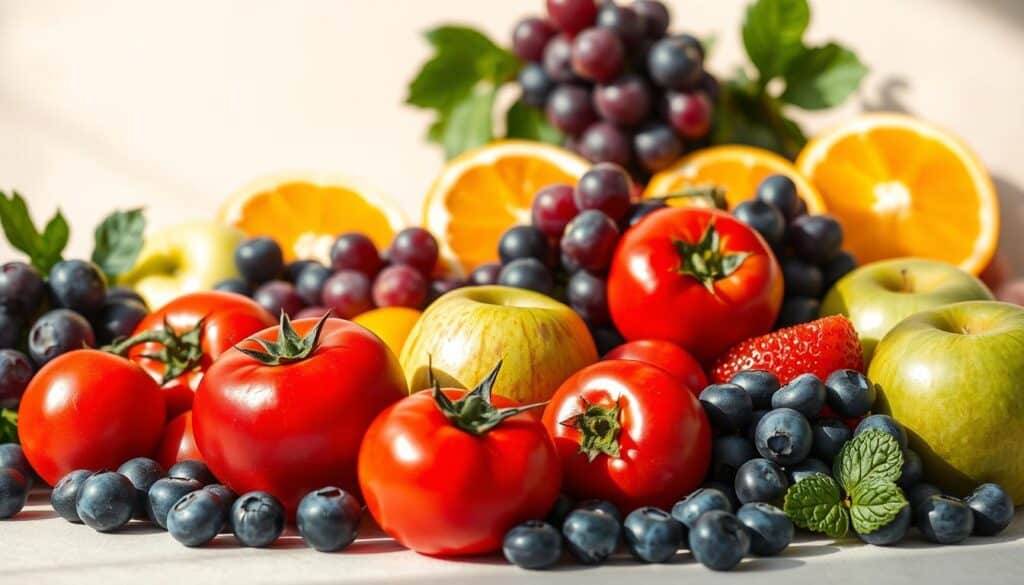
Fruits are nutrient-dense, low-sodium choices that support vascular health. They provide potassium, fiber, vitamins, and polyphenols that help manage blood pressure and protect arteries. Including a variety of fruit each day makes it easier to meet potassium goals while keeping sodium low.
Berries: antioxidants and vascular protection
Berries such as strawberries, blueberries, and raspberries are rich in anthocyanins and other flavonoids. These antioxidants reduce oxidative stress and improve endothelial function. Clinical trials report better vascular markers and modest drops in systolic pressure after regular berry intake or berry extract supplements.
Berries also add fiber and low calories to snacks and meals. A simple cup of mixed berries can pair with plain Greek yogurt for a balanced bite that helps keep blood sugar steady.
Bananas and other potassium-rich fruits
Bananas are a convenient source of potassium and often used as a benchmark for potassium-rich produce. Other good choices include cantaloupe, apricots, oranges, kiwi, and mango. For example, a medium banana provides about 400–450 mg of potassium, which helps meet daily recommendations when combined with other foods.
Regularly eating these fruits supports electrolyte balance and helps counteract sodium’s effect on blood pressure. Try pairing a banana with nut butter or adding sliced kiwi to cottage cheese to add protein or healthy fats for better glycemic control.
Citrus fruits and their role in endothelial function
Citrus fruits—like oranges, grapefruits, lemons, and limes—contain vitamin C and flavonoids such as hesperidin. These compounds support endothelial nitric oxide pathways and are linked to modest improvements in blood pressure and arterial health.
Be cautious with grapefruit if you take statins, certain calcium channel blockers, or some antihypertensives. Ask a pharmacist or clinician before adding grapefruit to your routine to avoid interactions.
Practical ideas include smoothies with mixed berries and spinach, fruit salads dressed with fresh citrus, and banana with nut butter as a portable snack. Small changes like these make fruits for blood pressure easy to enjoy every day.
Vegetables That Support Heart Health
Vegetables add volume, flavor, and nutrients that help keep blood pressure in check. A mix of leafy, root, and cruciferous choices gives potassium, fiber, nitrates, and antioxidants that work on blood vessels and circulation. Try to eat a variety each week to capture different benefits and textures.
Leafy greens such as spinach, arugula, Swiss chard, and beet greens are rich in dietary nitrates. These nitrates convert to nitric oxide, a vasodilator that relaxes arteries and can lower blood pressure. Clinical trials with beetroot juice show both quick and sustained reductions, so include raw leaves in salads and smoothies and lightly sauté cooked greens to preserve nitrate availability.
Root vegetables bring complementary nutrients. Beets, carrots, sweet potatoes, and potatoes with skin supply potassium, fiber, and additional nitrates in the case of beets. These elements support vascular function and increase satiety. For people monitoring root vegetables blood pressure effects, roasted beets or mashed sweet potato are simple, tasty options that fit low-sodium plans.
Cruciferous choices like broccoli, cauliflower, Brussels sprouts, and kale offer sulfur-containing compounds such as sulforaphane and glucosinolates. These bioactive molecules reduce oxidative stress and inflammation that can damage vessel lining. Regular intake of cruciferous vegetables and heart health links to lower markers of vascular risk in observational studies; try steaming, adding to soups, or tossing into stir-fries.
Preparation matters. Roasting concentrates flavor and keeps fiber intact, steaming preserves nutrients with gentle heat, and blending raw greens into smoothies boosts intake. Adding vegetables to soups, stews, and grain bowls makes them easier to eat daily. For people prone to kidney stones, note that high-oxalate greens like spinach can be an issue; rotate greens and consult a clinician when needed.
Simple swaps help: replace a processed side with a mixed greens salad, add roasted root vegetables to grain bowls, and include a cruciferous vegetable two to three times per week. Small changes lead to consistent nutrient intake that supports long-term vascular health without extra sodium.
Whole Grains and Legumes for Stable Pressure
Choosing whole grains and legumes can help steady blood pressure through steady energy, key minerals, and gut-friendly fiber. Swap refined options for brown rice, oats, quinoa, barley, and whole-wheat to keep glucose stable and support long-term heart health.
Benefits of whole grains versus refined grains
Whole grains keep the bran and germ intact, which preserves fiber, magnesium, potassium, and B vitamins. These nutrients support healthy arteries and metabolic balance. Cohort studies link higher whole-grain intake with lower incidence of high blood pressure and reduced cardiovascular risk compared with diets high in refined grains.
Beans and lentils as low-sodium protein options
Black beans, kidney beans, chickpeas, and lentils offer plant protein with little natural sodium. They deliver fiber, potassium, and magnesium in compact servings. Rinse canned beans or choose low-sodium canned or dried options to lower salt further. Use legumes in place of some meat servings to cut saturated fat and boost nutrient density.
How fiber from grains and legumes helps regulate BP
Soluble and insoluble fiber improve satiety, help with weight control, and lower LDL cholesterol. Stable blood sugar follows, which reduces pressure spikes after meals. Gut microbes ferment fiber into short-chain fatty acids that may affect vascular tone and inflammation, offering another route to healthier pressure.
Practical swaps include overnight oats, barley bowls, whole-grain breads, and lentil soups. Intervention trials show blood pressure improvements when meals emphasize whole grains and legumes. Use these staples to build balanced plates that support long-term cardiovascular health.
| Food | Key Nutrients | Practical Tip |
|---|---|---|
| Oats | Soluble fiber, magnesium, B vitamins | Make overnight oats with fruit for breakfast |
| Quinoa | Complete protein, potassium, fiber | Use as a base for warm grain bowls |
| Brown rice | Fiber, magnesium, B vitamins | Swap instead of white rice in stir-fries |
| Barley | Beta-glucan fiber, potassium | Add to soups or salads for chew and fiber |
| Chickpeas | Plant protein, potassium, fiber | Roast for snacks or add to salads |
| Black beans | Fiber, magnesium, low sodium when rinsed | Use in tacos, bowls, or stews |
| Lentils | Iron, fiber, protein, potassium | Make lentil soup or pasta sauces |
Lean Proteins and Healthy Fats
Balancing adequate protein with heart-friendly fats supports vascular health and helps manage weight. Choosing the right sources can lower inflammation and improve vessel function without adding excess sodium or saturated fat.
Fish and omega-3 fatty acids
Fatty fish such as salmon, mackerel, sardines, and trout supply EPA and DHA. These omega-3s reduce inflammation and improve endothelial function, which can lead to modest improvements in omega-3 blood pressure control.
The American Heart Association recommends two servings of fatty fish per week. If considering high-dose supplements, consult a clinician, especially with bleeding risk or when taking anticoagulants.
Plant-based proteins and blood pressure outcomes
Tofu, tempeh, edamame, seitan, nuts, and seeds are strong plant protein choices. Diets centered on whole plant foods often show lower blood pressure in studies, with soy protein offering modest benefits.
Prioritize whole-food options over highly processed meat substitutes that can be high in sodium. Snacks like unsalted almonds or a handful of pumpkin seeds make smart swaps for processed choices tied to lean protein hypertension risks.
Healthy oils and portion guidance
Extra-virgin olive oil, canola oil, and avocado oil deliver monounsaturated fats that support healthy fats heart health. Use 1–2 tablespoons per serving to keep calories in check.
Flaxseed and chia seed add plant-based omega-3s when sprinkled on yogurt or blended into smoothies. Limit saturated fats from processed meats and full-fat dairy to protect vascular function and reduce lean protein hypertension risk.
Practical swaps: bake or grill fish, dress salads with an olive oil vinaigrette, add ground flaxseed to oatmeal, and choose nuts for snacks. These simple steps blend protein needs with healthy fats heart health while helping manage olive oil blood pressure benefits when used in moderation.
Herbs, Spices, and Natural Flavorings to Reduce Sodium
Small shifts in seasoning can cut sodium without dulling taste. Low-sodium seasoning choices, smart swaps and fresh aromatics help keep meals satisfying while supporting blood pressure goals. The ideas below offer practical ways to replace salt and build flavor with whole ingredients.
Consider potassium chloride–based salt substitutes such as NuSalt and Morton Salt Substitute when reducing table salt. These options lower sodium intake but may raise potassium. People with kidney disease or those on potassium-sparing medications should check with a clinician before use.
Use umami-rich ingredients to boost savory depth. Sun-dried tomatoes, roasted mushrooms, miso in small amounts and nutritional yeast add complexity without extra sodium. Citrus juice and vinegar brighten dishes and reduce the need for salt.
Salt alternatives that support blood pressure control
Potassium chloride salt substitutes replace sodium in many recipes. NuSalt and Morton Salt Substitute are widely available and work well for cooking and finishing. Read labels to confirm potassium content and suggested servings.
Other salt alternatives hypertension-friendly include lemon or lime juice, flavored vinegars and low-sodium soy or tamari sparingly. These choices let you trim salt while keeping familiar flavors.
Herbs and spices with potential antihypertensive effects
Several herbs and spices show promise in modestly lowering blood pressure. Garlic, whether raw or in supplements, contains allicin and has been associated with small BP reductions in trials. Hibiscus tea has demonstrated clinically meaningful effects in some studies.
Basil, cinnamon, turmeric, rosemary, oregano and ginger carry anti-inflammatory or vasorelaxant compounds. Use them regularly as supportive elements, not as replacements for prescribed therapy. Pregnant people and those on anticoagulants or other medications should consult their clinician before adding concentrated herbal supplements.
Tips for seasoning meals without extra sodium
Layer flavors to get maximum impact from less salt. Roast vegetables to caramelize natural sugars. Toast whole spices briefly to unlock oils. Finish dishes with fresh herbs so aromas stay bright.
Try compound herb butters made with unsalted butter and chopped parsley, chives or dill. Make simple dressings from olive oil, citrus juice and mustard to control sodium in salads. Read labels on packaged spice blends and condiments; some add salt by default.
Quick recipe swaps: a garlic-lemon marinade for chicken, turmeric-roasted cauliflower, and chilled hibiscus iced tea instead of sugary sodas. These swaps provide variety while following reduce sodium tips.
| Flavoring | How to use | Blood pressure note |
|---|---|---|
| NuSalt / Morton Salt Substitute | Use 1:1 in cooking and at table | Low-sodium seasoning option; check with clinician if kidney issues |
| Garlic (raw or supplement) | Mince fresh into dressings or roast whole cloves | Contains allicin; trials show modest BP reductions |
| Hibiscus | Brew iced or hot tea, 1–2 cups daily | Some studies show significant BP-lowering effects |
| Turmeric | Use in marinades, roasted vegetables, curries | Curcumin supports vascular health as an adjunct |
| Umami ingredients | Roasted mushrooms, sun-dried tomatoes, miso | Adds depth so you can reduce added salt |
| Citrus & Vinegar | Finish dishes with zest or a splash | Brightens flavor, helps implement reduce sodium tips |
Dietary Patterns and Meal Planning for Blood Pressure Control
Adopting a structured eating plan makes it easier to lower blood pressure and stick with healthy habits. Below are practical ways to follow the DASH diet principles, turn blood pressure meal ideas into real plates, and use meal prep for heart health on busy days.
The DASH diet principles and how to adapt them
The DASH approach emphasizes fruits, vegetables, whole grains, low-fat dairy, lean proteins, nuts, and legumes. Aim to cut sodium to under 2,300 mg daily. For extra benefit, reduce to about 1,500 mg per day.
For U.S. eating patterns, swap processed snacks for fresh fruit, choose brown rice instead of white, and pick skinless chicken over fried options. Vegetarians can boost lentils, tofu, and fortified soy milk to meet protein and calcium needs.
To honor cultural cuisines, use herbs like cilantro, basil, and spices such as cumin and smoked paprika to flavor meals without salt. Olive oil and citrus brighten dishes from Mediterranean to Latin American menus.
Sample meal ideas and grocery list
Below is a sample balanced day and a compact grocery list to help you shop with purpose.
- Breakfast: Oatmeal with berries, a tablespoon of flaxseed, and low-fat yogurt.
- Lunch: Spinach and beet salad with chickpeas, a squeeze of lemon, and a drizzle of olive oil.
- Dinner: Grilled salmon, quinoa, and steamed broccoli.
- Snacks: Apple with almond butter, unsalted mixed nuts, or cut veggies with hummus.
| Category | Items |
|---|---|
| Produce | Leafy greens, berries, citrus, beets, broccoli, apples, avocados |
| Whole grains | Oats, brown rice, quinoa, whole-wheat bread |
| Proteins | Salmon, skinless poultry, canned low-sodium beans, lentils, tofu |
| Dairy/alternatives | Low-fat yogurt, fortified soy milk, low-fat cheese |
| Healthy fats & pantry | Olive oil, unsalted nuts, flaxseed, herbs, low-sodium broths |
This grocery list for hypertension keeps staples on hand for quick, balanced meals. Use frozen fruits and vegetables to cut cost and waste. Buying brown rice and dried beans in bulk lowers per-meal expense.
Meal prep strategies for busy lifestyles
Batch-cook grains and legumes at the start of the week. Store them in clear containers to speed dinner assembly. Chop vegetables and divide portions for salads and stir-fries.
Make large dressings and sauces in jars so salads stay crisp. Freeze single-serve soups and stews for grab-and-go meals. A slow cooker or Instant Pot can simmer healthy dinners while you work.
Portion food into microwave-safe containers to control serving sizes. Keep a short list of go-to blood pressure meal ideas on the fridge so last-minute choices stay heart-healthy.
On a tight budget, choose seasonal produce and store brands. Gradually lower salt so family members adapt to less sodium. Track fruit and vegetable servings and aim for variety to meet nutrient needs and sustain this way of eating.
Lifestyle Factors That Enhance Food Benefits
Pairing smart food choices with daily habits boosts heart health more than diet alone. This short guide outlines practical steps you can take to strengthen the effects of a blood pressure–friendly diet.
Physical activity and synergistic effects with diet
Aerobic exercise such as brisk walking, cycling, or swimming lowers systolic blood pressure by about 4–9 mm Hg on average. Strength training adds extra gains for vascular health. The U.S. guideline goal is at least 150 minutes per week of moderate-intensity aerobic activity plus muscle-strengthening two days weekly. Combining exercise and dietary changes multiplies benefits, cutting cardiovascular risk faster than either approach alone.
Weight management and its impact on blood pressure
Losing weight has clear returns: each 10-pound reduction often yields meaningful drops in blood pressure. Target a 5–10% initial weight loss through a calorie-aware diet, regular physical activity, and behavior strategies like goal setting and self-monitoring. Central obesity raises risk via metabolic and inflammatory pathways, so trimming waist circumference matters as much as scale weight when tracking weight loss blood pressure effects.
Limiting alcohol, smoking cessation, and sleep hygiene
Alcohol affects blood pressure in dose-dependent ways. Up to one drink per day for women and up to two for men is the usual recommendation, while excess intake raises BP and can blunt medication effects. Quitting smoking cuts cardiovascular risk immediately and over the long term. Poor or insufficient sleep, including untreated sleep apnea, links to higher blood pressure. Aim for 7–9 hours per night and seek screening if you have loud snoring or daytime sleepiness. Together, these habits reduce alcohol smoking BP risks and support treatment goals.
Stress management
Simple techniques lower sympathetic drive and blunt pressure spikes. Try mindfulness, deep breathing, or a short yoga routine during the day. Small, consistent practices can improve mood and reduce transient BP rises tied to stress.
Coordinated clinical care
Work with primary care providers, cardiologists, registered dietitians, smoking cessation programs, and sleep specialists when needed. A team approach helps tailor exercise and diet plans, monitor medication, and address conditions such as sleep apnea so lifestyle and blood pressure goals stay on track.
- Tip: Track blood pressure at home and share readings with your care team.
- Tip: Make gradual changes to meet exercise and nutrition targets for lasting benefit.
Conclusion
Adopting natural foods for healthy blood pressure means focusing on fruits, vegetables, whole grains, legumes, lean proteins, and healthy fats while cutting back on processed foods and added salt. Emphasize potassium- and magnesium-rich choices, fiber, and herbs and spices to flavor meals. Small, steady swaps—more vegetables, whole grains instead of refined carbs, fatty fish a few times weekly—can help lower BP naturally over time.
Pair dietary changes with regular exercise, weight management, and good sleep to amplify benefits in a heart-healthy lifestyle. Plan simple meals, use herbs like oregano and rosemary instead of extra salt, and batch-cook beans or whole-grain bowls to stay consistent on busy days. These practical steps make lasting change more achievable.
Before making major alterations, check with your healthcare team if you take blood pressure medication, have kidney disease, are pregnant, or use drugs that interact with foods such as grapefruit. For tailored guidance, consult a registered dietitian and refer to trusted resources like the American Heart Association and the Dietary Guidelines for Americans for DASH-style meal plans and recipes.
Start with one or two adjustments this week and build from there. A gradual, sustainable approach to eating and activity supports lasting reductions in blood pressure and overall cardiovascular health, helping you maintain a heart-healthy lifestyle for years to come.
FAQ
What foods help lower blood pressure naturally?
A heart-healthy pattern emphasizes fruits, vegetables, whole grains, legumes, lean proteins, nuts, seeds, and healthy oils. Potassium-rich foods like bananas, sweet potatoes, avocados, lentils, and white beans support sodium balance. Magnesium sources such as almonds, pumpkin seeds, spinach, and whole grains help vascular tone. High-fiber options—oats, barley, beans, and vegetables—improve cholesterol and insulin sensitivity. Fatty fish (salmon, mackerel, sardines) provide omega-3s that reduce inflammation. Herbs and spices (garlic, turmeric, hibiscus) can add flavor and modest blood pressure benefits while helping you cut back on sodium.
How does sodium affect blood pressure and how much should I aim for?
Sodium increases fluid retention and vascular resistance, which raises blood pressure. The general target is to keep sodium below 2,300 mg per day, with many people benefiting from a lower goal of about 1,500 mg/day for greater blood pressure reduction. Reducing processed and restaurant foods, rinsing canned beans, and using herbs, citrus, and vinegar instead of salt are practical steps. People with kidney disease or on certain medications should check targets with their clinician.
Are potassium supplements necessary or should I get potassium from food?
Most adults benefit from getting potassium primarily from foods—bananas, potatoes (with skin), spinach, beans, and cantaloupe—because whole foods provide fiber, magnesium, and other nutrients. Dietary potassium promotes natriuresis (sodium excretion) and relaxes blood vessels. Supplements may be considered in specific cases but can be harmful for people with kidney disease or those taking potassium-sparing drugs. Discuss supplements with your healthcare provider before starting them.
What is the DASH diet and how can I adapt it to my routine?
The DASH (Dietary Approaches to Stop Hypertension) diet emphasizes fruits, vegetables, whole grains, low-fat dairy or fortified alternatives, lean proteins, nuts, and legumes while limiting sodium, sweets, and red/processed meats. To adapt it, swap refined grains for whole grains, use beans and lentils as protein a few times weekly, choose low-sodium canned goods or rinse them, and season with herbs and citrus. For busy schedules, batch-cook grains and beans, prep salads and dressings, and use frozen produce to save time and money.
Can specific fruits lower blood pressure?
Yes. Berries (strawberries, blueberries, raspberries) supply polyphenols that protect the endothelium and may lower arterial stiffness. Bananas, cantaloupe, and apricots are good potassium sources that help lower blood pressure. Citrus fruits like oranges and lemons contain flavonoids such as hesperidin that support endothelial function. Note that grapefruit can interact with some medicines, so check with your pharmacist or clinician before increasing intake if you take prescription drugs.
Are vegetables like beets and leafy greens especially helpful?
Leafy greens (spinach, arugula, Swiss chard) are rich in dietary nitrates that convert to nitric oxide, a vasodilator that can lower blood pressure. Beetroot and beet juice are notable for their nitrate content and have shown acute and sustained blood pressure reductions in trials. Root vegetables such as sweet potatoes and carrots add potassium and fiber. Vary preparation—raw, steamed, roasted—to preserve nutrients and keep meals appealing.
How do whole grains and legumes contribute to blood pressure control?
Whole grains (oats, quinoa, brown rice, barley) provide fiber, magnesium, potassium, and B vitamins that support vascular health and weight control. Legumes—beans, lentils, chickpeas—are high in fiber and plant protein and are naturally low in sodium, helping satiety and improving lipid and glucose profiles. Together, they help lower hypertension risk and stabilize blood pressure when substituted for refined grains and processed meats.
Should I eat fish or take fish oil for blood pressure?
Eating fatty fish like salmon, mackerel, sardines, or trout twice weekly is recommended by the American Heart Association and supplies EPA and DHA, which reduce inflammation and can modestly lower blood pressure. Fish-oil supplements may help some people but should be discussed with a clinician—especially if you take blood-thinning medications or have bleeding risks—because high-dose supplements have potential interactions.
What herbs, spices, and salt substitutes are safe and effective for reducing sodium?
Flavorful options include garlic, turmeric, rosemary, oregano, basil, ginger, cinnamon, citrus zest, vinegar, and umami-rich ingredients like mushrooms and tomatoes. Potassium chloride–based salt substitutes (NuSalt, Morton Salt Substitute) can lower sodium intake, but they are not safe for everyone—people with kidney disease or on potassium-sparing medications should avoid them unless cleared by a clinician. Hibiscus tea has shown blood pressure–lowering effects in some studies and can be a tasty, low-sodium beverage alternative.
How much weight loss or physical activity is needed to see blood pressure improvements?
Modest weight loss yields meaningful benefits—losing 5–10% of body weight often improves blood pressure and cardiometabolic risk. Regular aerobic activity (about 150 minutes per week of moderate intensity) plus muscle-strengthening twice weekly is recommended; aerobic exercise alone can reduce systolic blood pressure by roughly 4–9 mm Hg on average. Combining diet and exercise amplifies benefits.
Are there foods or patterns I should avoid to lower my hypertension risk?
Limit highly processed foods, fast food, packaged snacks, sugary beverages, and processed meats—these are typically high in sodium, added sugars, and saturated fats, and they raise hypertension risk. Refined grains and excess added sugars promote weight gain and insulin resistance, which can elevate blood pressure. Instead, choose whole foods, cook at home when possible, and read labels for sodium and added sugars.
Can spices and dietary changes replace blood pressure medications?
No. Dietary changes can meaningfully lower blood pressure and sometimes reduce medication needs under medical supervision, but they should not replace prescribed medications without clinician guidance. Herbs and spices are supportive tools to reduce sodium and add beneficial compounds, yet they are not substitutes for evidence-based pharmacologic therapy when it is needed. Always consult your clinician before changing or stopping medications.
Where can I find reliable resources for meal plans and more information?
Authoritative sources include the American Heart Association, the National Institutes of Health (NIH), and research on the DASH diet and clinical nutrition journals. Registered dietitians and certified nutrition specialists can provide personalized meal plans. Look for DASH-based recipes, grocery lists that focus on fresh and frozen produce, whole grains, legumes, lean proteins, and low-sodium pantry staples to start making practical changes.
Content created with the help of Artificial Intelligence.